





What's Happening?
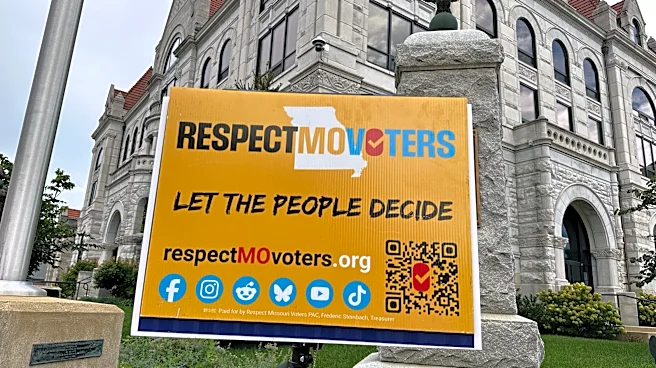
Cole County Circuit Judge Daniel Green has ruled that a proposed ballot initiative, intended to restrict the Missouri General Assembly's ability to alter or repeal voter-approved measures, cannot appear on the November ballot. The initiative, which would
have been Amendment 6, was deemed unconstitutional because it combines multiple subjects and improperly limits future legislative authority. Judge Green's decision upheld Secretary of State Denny Hoskins' earlier refusal to place the proposal on the ballot. The initiative, championed by the political action committee Respect MO Voters, aimed to require an 80% majority vote from lawmakers to change voter-approved laws and constitutional amendments passed since January 1, 2010. Respect MO Voters had collected 335,000 signatures, which local election authorities confirmed were sufficient to qualify for the ballot. The group has since appealed Judge Green's decision to the Western District Court of Appeals, though the Missouri Supreme Court has indicated it may take over the appeal.
Why It's Important?
This ruling is significant for the future of direct democracy and legislative power in Missouri. If the initiative had passed, it would have fundamentally altered the balance of power between the state's voters and its legislature, making it considerably more difficult for lawmakers to modify or repeal citizen-led initiatives. This could have far-reaching implications for various policy areas, including Medicaid expansion, right-to-work laws, and marijuana regulations, as the initiative sought to protect these and other voter-approved measures from legislative interference. The judge's decision emphasizes the constitutional principle that current voters cannot strip future voters of their right to consider amendments proposed by the General Assembly, thereby safeguarding the flexibility of the legislative process and the ability of future generations to adapt laws to evolving societal needs. The ongoing legal battle highlights the tension between the will of the voters expressed through initiatives and the constitutional framework governing legislative authority.
What's Next?
Respect MO Voters has immediately appealed Judge Green's decision to the Western District Court of Appeals. However, the Missouri Supreme Court has already moved to transfer a similar redistricting referendum lawsuit, suggesting it may also take over this appeal. The appeal process must conclude by September 8, which is the final day for courts to add measures to the November ballot. The outcome of this appeal will determine whether Missouri voters will have the opportunity to decide on Amendment 6. If the higher courts uphold Judge Green's ruling, the initiative will not appear on the ballot, maintaining the current legislative process for amending or repealing voter-approved laws. Conversely, if the ruling is overturned, the initiative could proceed to a statewide vote, potentially ushering in a new era of legislative constraints in Missouri.
Beyond the Headlines
The legal challenge surrounding this ballot initiative delves into the deeper constitutional questions of legislative sovereignty and the enduring power of citizen-led movements. Judge Green's emphasis on the 'single subject' rule and the prohibition against limiting future legislative authority underscores a fundamental aspect of constitutional law designed to prevent legislative overreach and ensure democratic adaptability. The initiative's attempt to retroactively protect laws passed since 2010, without explicitly detailing these changes to voters, raises ethical concerns about transparency and informed consent in the ballot initiative process. This case reflects a broader national trend where states grapple with the mechanisms of direct democracy and the appropriate boundaries of legislative power, often leading to complex legal battles that shape the future of governance and public policy. The resolution of this case in Missouri could set precedents for how similar initiatives are evaluated in other states.