





What's Happening?
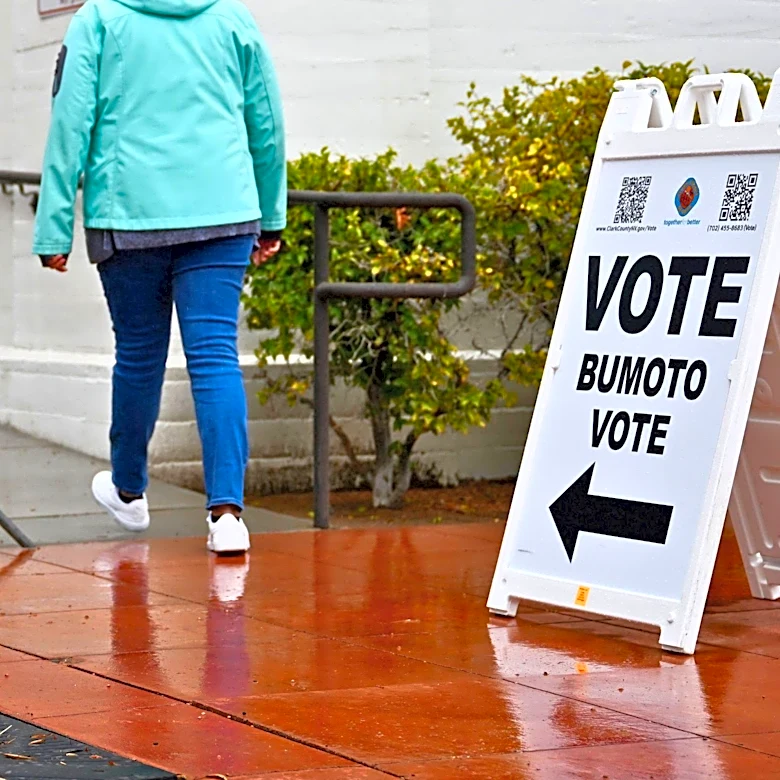
U.S. House Republicans are attempting to advance a budget framework that includes significant funding for the Iran war and U.S. farm aid. The proposed framework allocates $73 billion for war and intelligence, $10 billion for voter ID reforms, and $12
billion for agriculture, although the White House had requested $20 billion for agriculture. Jody Arrington, Chair of the House Budget Committee, emphasized the importance of food security as a national security issue, stating that the U.S. should not rely on other countries for food supply. The proposal comes amid projections of major row crop losses in the U.S., expected to increase by $1 billion next year. However, House budget hawks are seeking spending offsets to facilitate a party-line reconciliation bill, aiming to bypass a Senate filibuster. Senate Majority Leader John Thune highlighted the challenges in securing the necessary votes and addressing potential amendments.
Why It's Important?
The proposed budget framework is significant as it addresses critical areas such as national defense, voter ID reforms, and agricultural support. The allocation for agriculture is particularly crucial given the projected increase in crop losses, which could impact food prices and supply chains. The debate over funding levels and offsets reflects broader political tensions, with potential implications for U.S. food security and economic stability. The outcome of this budget proposal could affect various stakeholders, including farmers, defense contractors, and voters, depending on how funds are allocated and utilized.
What's Next?
The House is set to take up the budget framework for the bill this week. The process will involve negotiations to secure the necessary votes, particularly in the Senate, where Democrats have blocked debate on the national defense bill related to the Iran war. The reconciliation process will be critical in determining the final outcome, with potential amendments and offsets being key points of contention. The ability to pass the budget framework will depend on overcoming these legislative hurdles and achieving consensus among lawmakers.