









What's Happening?
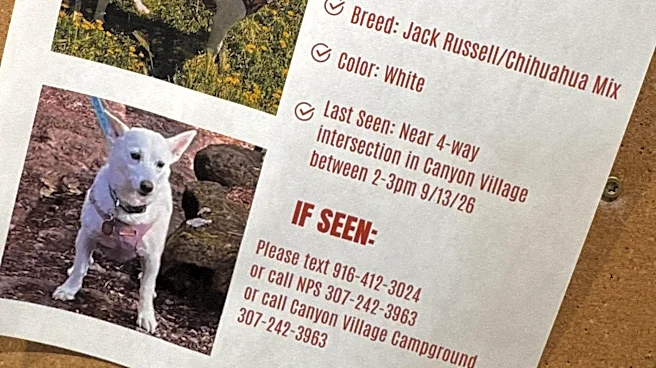
Luna, a 10-year-old Jack Russell terrier, was reunited with her California owners after surviving over a month lost in Yellowstone National Park. Luna disappeared on September 10 from the Canyon Village base camp section of the park after her owners left
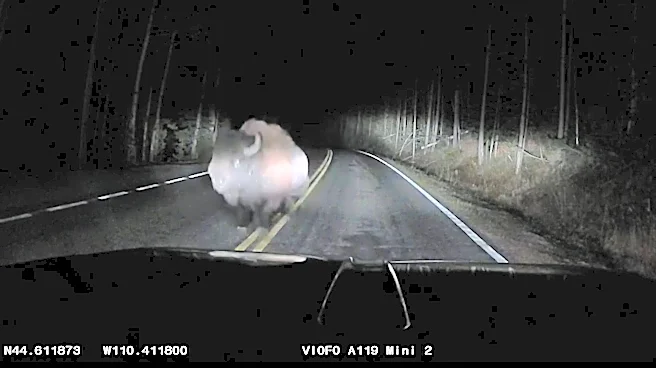
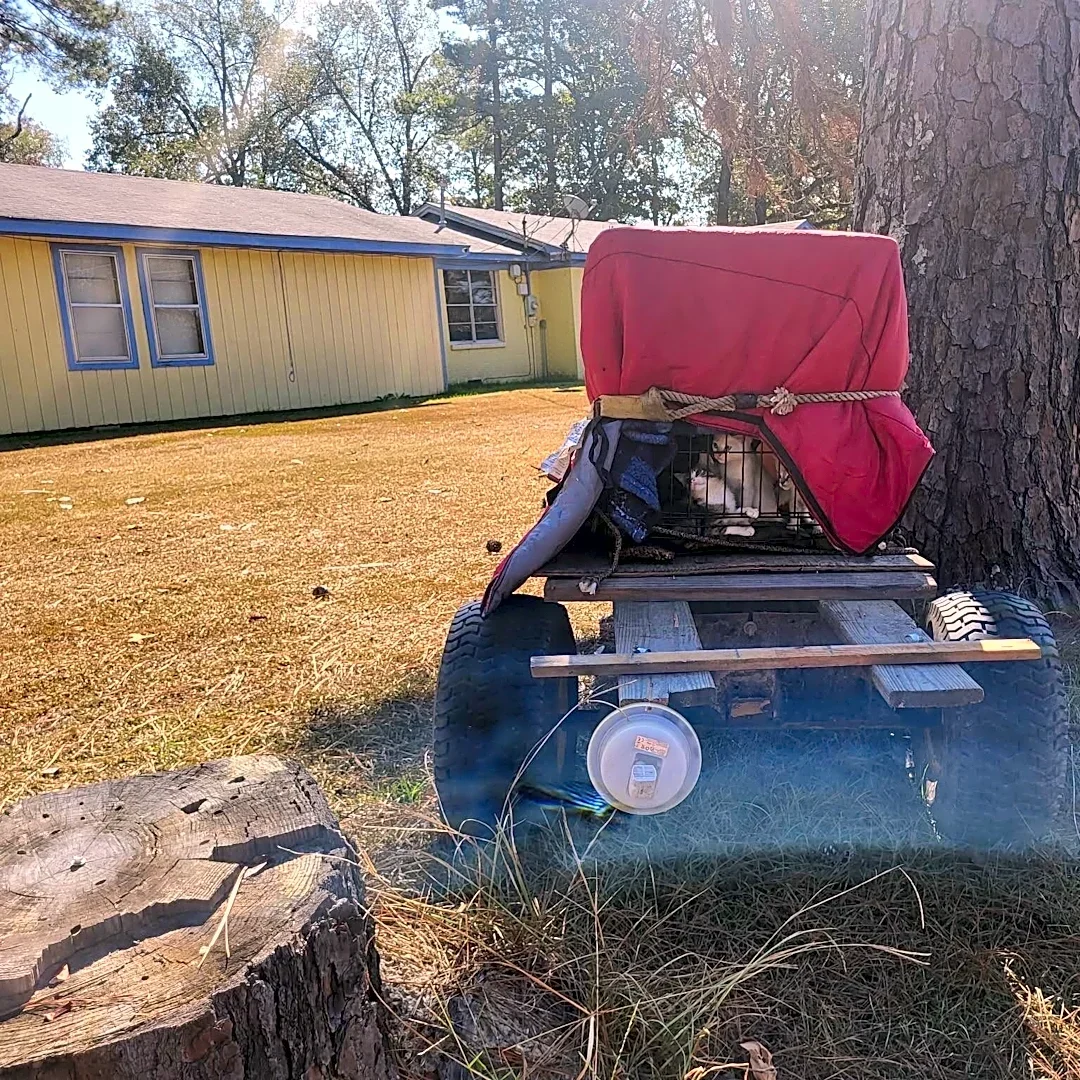
her unattended in their cabin, despite park regulations against doing so. When cabin staff entered the room, Luna fled into the woods. Her owners searched for a week before returning to California. Local rescuer Katie Boucher, president of the Montana-based Norris Ark Training & Recovery Center, became aware of Luna's disappearance through social media and led the reunion efforts. Surveillance footage and tourist sightings indicated Luna remained within a two-mile radius of Canyon Village. Boucher believes Luna, who appeared to have lost half her weight, likely survived on water and wild animal scat. A 'Missy Trap,' a humane enclosure, was used to capture Luna, leading to her reunion with her owners on Wednesday morning.
Why It's Important?
This incident highlights the significant risks associated with bringing pets to national parks and the potential dangers they face in wild environments. Yellowstone National Park regulations explicitly state that pets should not be left unattended, a rule designed to protect both the animals and the park's wildlife. Luna's survival, while remarkable, underscores the challenges pets encounter, including predators and lack of sustenance. The story also emphasizes the critical role of local rescue organizations and community efforts, often amplified by social media, in locating lost pets. The event serves as a cautionary tale for pet owners, reinforcing the importance of adhering to park guidelines to prevent similar situations and ensure the safety of their animals.
What's Next?
This event will likely prompt renewed attention to and enforcement of pet regulations within Yellowstone National Park and other national parks. Park authorities may use this high-profile case to educate visitors about the dangers of leaving pets unattended and the importance of following guidelines. Pet owners planning to visit national parks should expect to see increased emphasis on responsible pet ownership, including requirements for leashes, designated pet areas, and prohibitions against leaving animals alone. Rescue organizations like the Norris Ark Training & Recovery Center will continue their work, potentially using Luna's story to advocate for responsible pet travel and preparedness for unforeseen circumstances in wilderness areas.
Beyond the Headlines
Luna's survival story transcends a simple pet rescue; it delves into the complex relationship between humans, domestic animals, and wild ecosystems. The incident raises ethical questions about the responsibility of pet owners in wilderness settings and the potential impact of domestic animals on native wildlife. While Luna's owners were reunited with their pet, the broader implications of introducing domestic animals into sensitive ecological zones, even inadvertently, are significant. The story also showcases the power of community and dedicated individuals in animal rescue, demonstrating how collective action can lead to positive outcomes in challenging situations. It serves as a poignant reminder of the resilience of animals and the deep emotional bonds between pets and their owners.