
What's Happening?
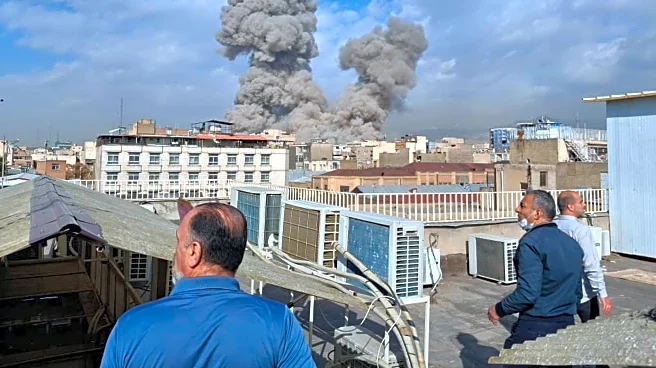
Airlines are facing significant disruptions due to the ongoing conflict involving Iran, the U.S., and Israel. The conflict has led to airspace and airport closures across the Middle East, causing thousands of flight cancellations and diversions. On March
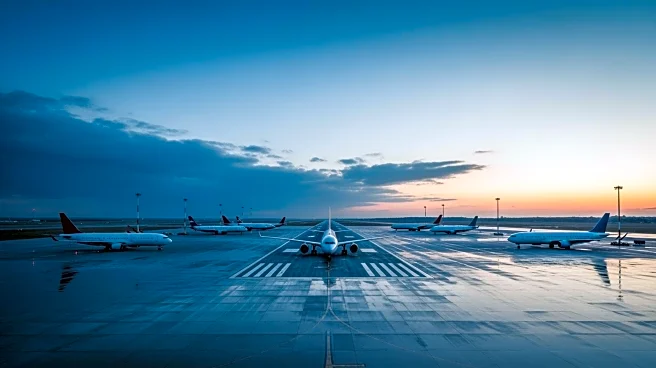
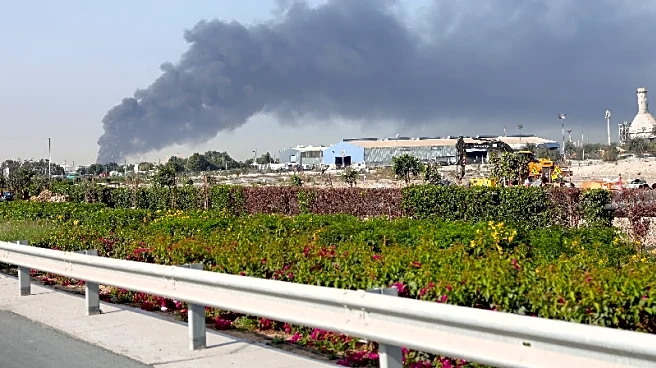
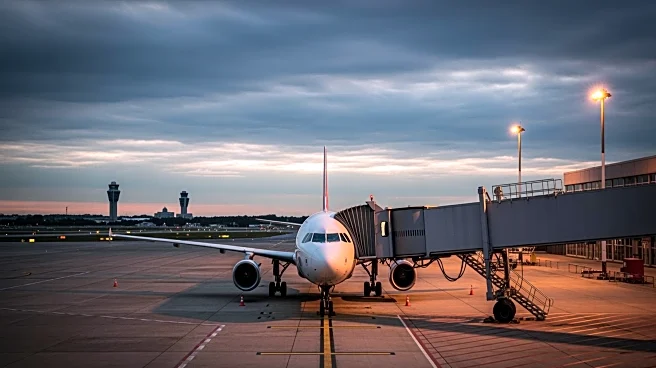
1, over 3,400 flights were canceled across seven Middle Eastern airports, with airspace closures due to security concerns. The situation has been exacerbated by Iran's retaliatory missile and drone strikes on Gulf countries, damaging airports in Kuwait, Dubai, and Bahrain. Dubai International Airport, one of the busiest in the world, sustained minor damage, and operations were suspended. Airlines such as Emirates, Etihad, and Qatar Airways have suspended flights, with some extending suspensions into early March. European airlines, already avoiding Russian airspace due to the Ukraine conflict, have also canceled flights to the region, with Lufthansa and Air France among those affected.
Why It's Important?
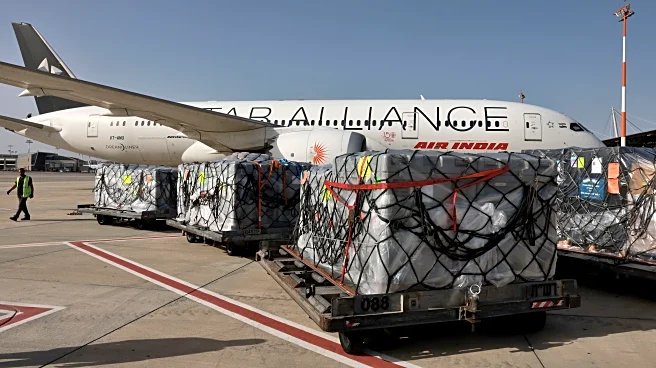
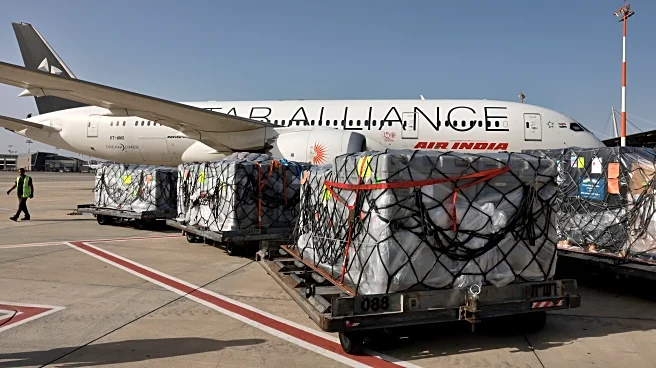
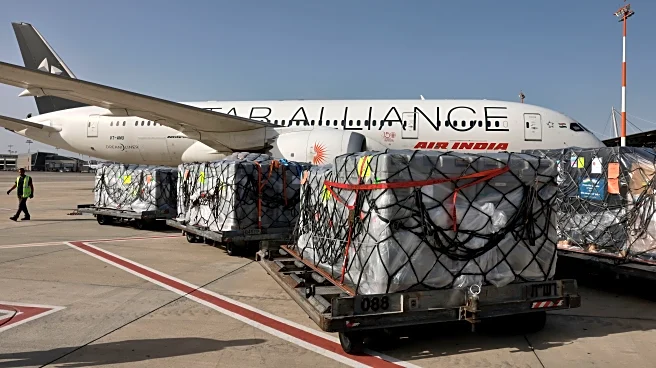
The conflict's impact on air travel highlights the interconnectedness of global aviation and the vulnerability of international travel to geopolitical tensions. The suspension of flights affects not only passengers but also the global supply chain, as cargo flights are also disrupted. Airlines face financial losses due to canceled flights and rerouted paths, increasing operational costs. The situation underscores the importance of conflict zone advisories and the need for airlines to adapt quickly to changing security landscapes. The European Union Aviation Safety Agency has issued advisories warning of high risks to commercial aviation in the region, emphasizing the potential for further disruptions.
What's Next?
Airlines and passengers are awaiting updates on the situation, with flight suspensions expected to continue until the security situation stabilizes. The ongoing military actions and potential retaliatory strikes could prolong airspace closures, affecting travel plans and airline operations. Airlines will need to monitor the situation closely and adjust their schedules accordingly. The conflict may prompt discussions on enhancing international aviation safety protocols and improving crisis management strategies to mitigate the impact of similar events in the future.