
What's Happening?
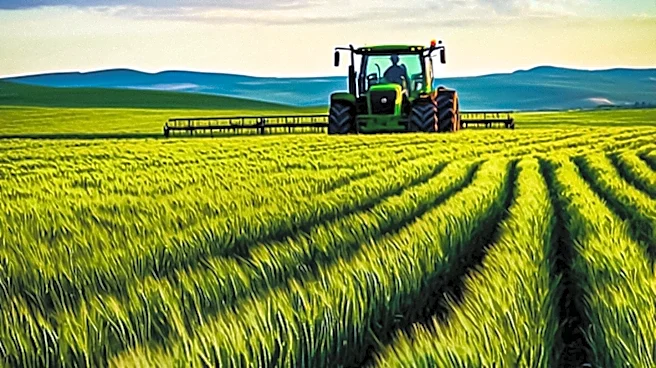
The UK is facing a significant food security crisis as a result of repeated heatwaves and drought conditions, according to the National Farmers Union (NFU). Dairy farmers are reportedly using winter feed
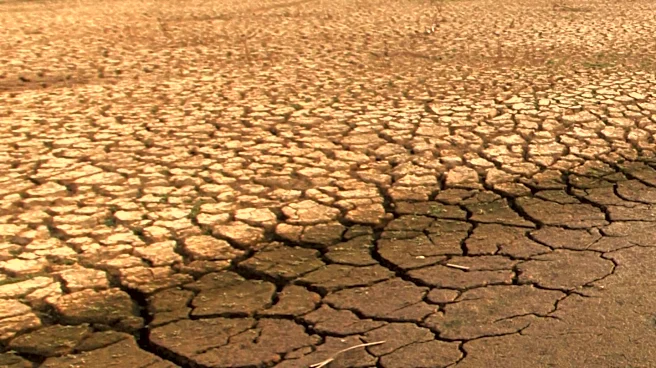
earlier than usual because grass has stopped growing. Analysts from Shore Capital have warned that the extreme weather could lead to food shortages and increased reliance on foreign imports. The Environment Agency has noted that 71.3% of England is experiencing 'flash drought,' which is characterized by very low rainfall and high temperatures. The NFU is calling for a risk register for vulnerable businesses and a more responsive abstraction licensing system to help farmers cope with the situation.
Why It's Important?
The ongoing extreme weather conditions in the UK could have far-reaching implications for food security, potentially leading to decreased yields for key crops such as wheat and barley. This situation may result in increased food costs for consumers and a greater reliance on imports. The crisis highlights the vulnerability of the agricultural sector to climate change and the need for strategic planning to ensure long-term food security. The NFU's call for government intervention underscores the urgency of addressing these challenges to protect both farmers and consumers.
What's Next?
In response to the crisis, the NFU is advocating for a more strategic approach to water management and climate adaptation. This includes a consistent planning approach to reservoirs and targeted investment in climate resilience. The UK government may need to consider these recommendations to mitigate the impact of extreme weather on food production. Additionally, consumers may experience food price inflation in the coming months as the effects of the current weather conditions become more apparent.
Beyond the Headlines
The situation in the UK serves as a stark reminder of the broader impacts of climate change on global food security. As extreme weather events become more frequent, countries around the world may face similar challenges. This underscores the importance of international cooperation and investment in sustainable agricultural practices to build resilience against climate-related disruptions.