
What's Happening?
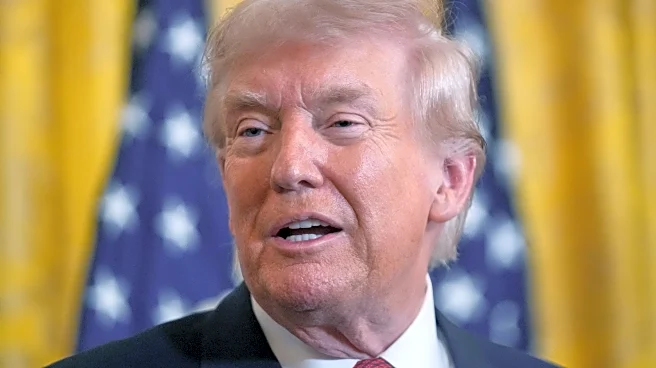
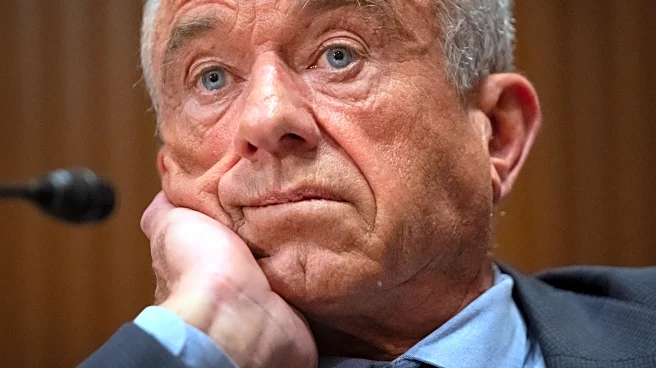
President Trump appointed Robert F. Kennedy Jr. as the head of the U.S. Department of Health and Human Services with the promise of restoring faith in American healthcare. However, a year into his tenure, public trust in government health agencies has
significantly declined. This decline is attributed to Kennedy's controversial decisions, including firing experts from the CDC's vaccine advisory panel and reshaping the HHS. The changes have led to increased measles outbreaks and a reduction in the recommended vaccine schedule for children, which experts criticize as lacking evidence and putting public health at risk.
Why It's Important?
The decline in trust towards health agencies under Kennedy's leadership poses a significant threat to public health, particularly in the prevention of vaccine-preventable diseases like measles. The reduction in the vaccine schedule and the firing of experts could lead to larger outbreaks and increased health risks. This situation highlights the impact of political decisions on public health and the importance of maintaining scientific integrity in health policies. The changes could also affect the U.S.'s ability to respond to future health crises effectively.
What's Next?
The ongoing decline in public trust may prompt further scrutiny and potential policy reversals. Health experts and organizations are likely to continue advocating for evidence-based policies and transparency. The administration may face pressure to restore expert panels and reconsider the vaccine schedule changes. Public health campaigns may be necessary to rebuild trust and encourage vaccination, especially as measles outbreaks continue to grow.
Beyond the Headlines
The situation underscores the broader implications of political influence on scientific and health institutions. The erosion of trust in health agencies could have long-term effects on public compliance with health guidelines and the overall effectiveness of the U.S. healthcare system. The controversy also raises ethical questions about the balance between political agendas and public health priorities.