









What's Happening?
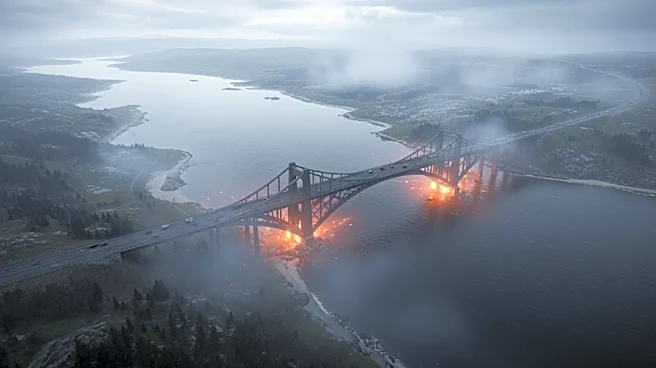
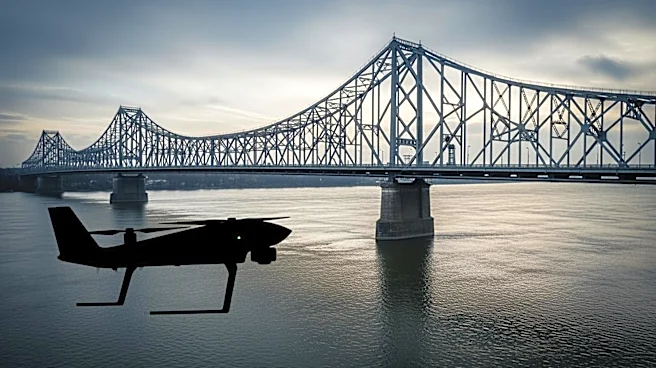
Ukraine is intensifying its military efforts against Russian forces by targeting key infrastructure and supply routes. Recent Ukrainian strikes have significantly reduced military cargo traffic along critical routes, such as the Chonhar Bridge, which
connects Crimea to mainland Russia. These actions are part of a broader strategy to disrupt Russian supply lines and weaken their military presence in occupied territories. Ukrainian forces are employing drones and other advanced technologies to establish control over strategic routes, further complicating Russia's military operations.
Why It's Important?
Ukraine's strategic strikes highlight the effectiveness of asymmetric warfare tactics in challenging a larger adversary. By targeting supply lines and infrastructure, Ukraine is undermining Russia's ability to sustain its military operations, potentially shifting the balance of power in the conflict. This approach not only disrupts Russian logistics but also increases domestic pressure on President Putin, as the war's impact becomes more visible to the Russian public. The success of these tactics could inspire other nations facing similar conflicts to adopt similar strategies.
What's Next?
As Ukraine continues to refine its military tactics, Russia may be forced to adapt its strategies to counter these disruptions. This could lead to an escalation in the conflict, with both sides seeking to gain a strategic advantage. The international community may also increase its support for Ukraine, providing additional resources and technologies to bolster its defense capabilities. The ongoing conflict will likely remain a focal point for global security discussions, influencing future military and diplomatic efforts.
Beyond the Headlines
The conflict in Ukraine is reshaping the landscape of modern warfare, emphasizing the importance of technology and innovation in military strategy. The use of drones and other advanced technologies by Ukrainian forces demonstrates the potential for smaller nations to effectively challenge larger adversaries. This development may lead to a reevaluation of military doctrines worldwide, as nations seek to incorporate similar tactics into their defense strategies.