


What's Happening?
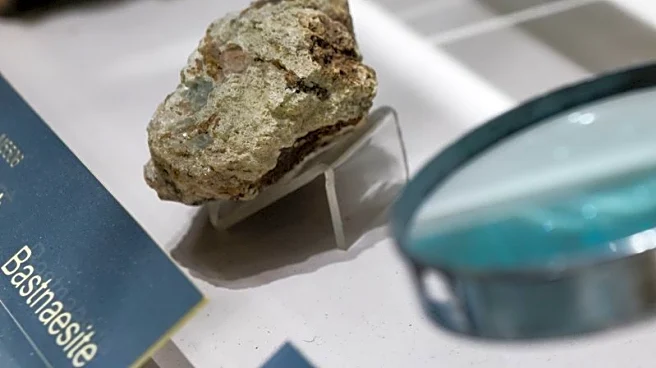
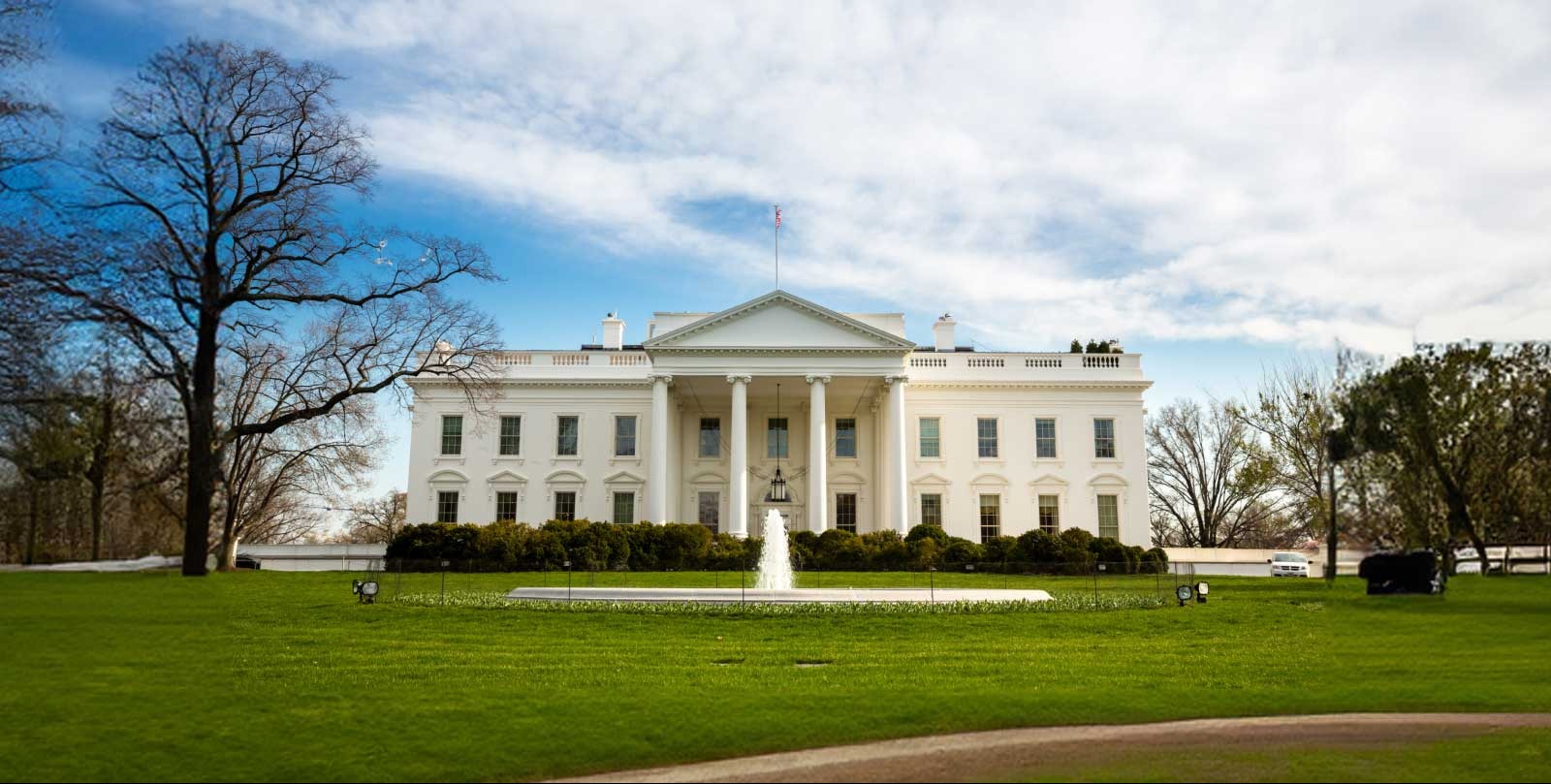
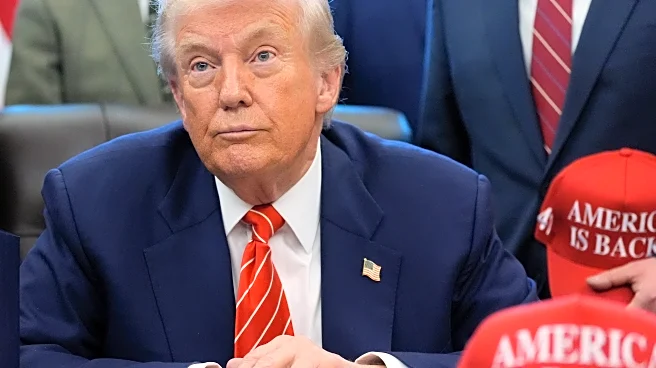
President Trump has initiated a move to negotiate with U.S. trading partners to adjust the imports of processed critical minerals and their derivative products. This decision, announced by the White House, aims to establish price floors for trade in these
essential materials. The administration's strategy involves collaborating with allies to stabilize the market for critical minerals, which are vital for various high-tech and defense applications. The White House's fact sheet highlights the importance of these negotiations in ensuring a stable supply chain and mitigating the influence of global market fluctuations.
Why It's Important?
The initiative to adjust imports of processed critical minerals is significant due to the strategic importance of these materials in the U.S. economy. Critical minerals are essential for the production of electric vehicles, advanced technology, and defense systems. By negotiating price floors and stabilizing imports, the U.S. aims to reduce dependency on foreign sources, particularly from countries like China, which currently dominate the market. This move could enhance national security, support domestic industries, and promote economic resilience by ensuring a reliable supply of these crucial resources.
What's Next?
The next steps involve detailed negotiations with U.S. trading partners to implement the proposed price floors and adjustments in import strategies. The administration will likely engage with key allies to align on trade policies that support the strategic reserve of critical minerals. These discussions could lead to new trade agreements or amendments to existing ones, impacting international trade dynamics. Stakeholders, including industry leaders and policymakers, will be closely monitoring these developments to assess their implications on the U.S. economy and global trade relations.