
What's Happening?
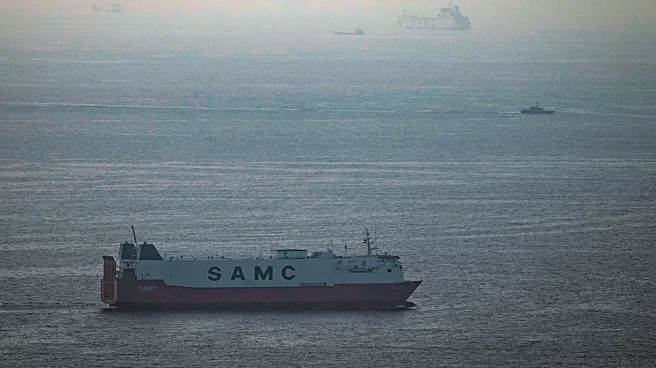
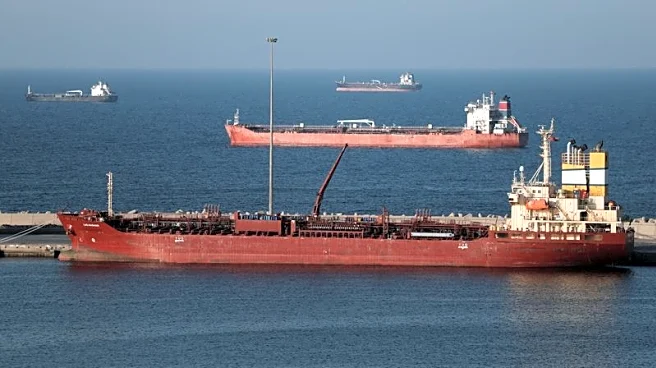
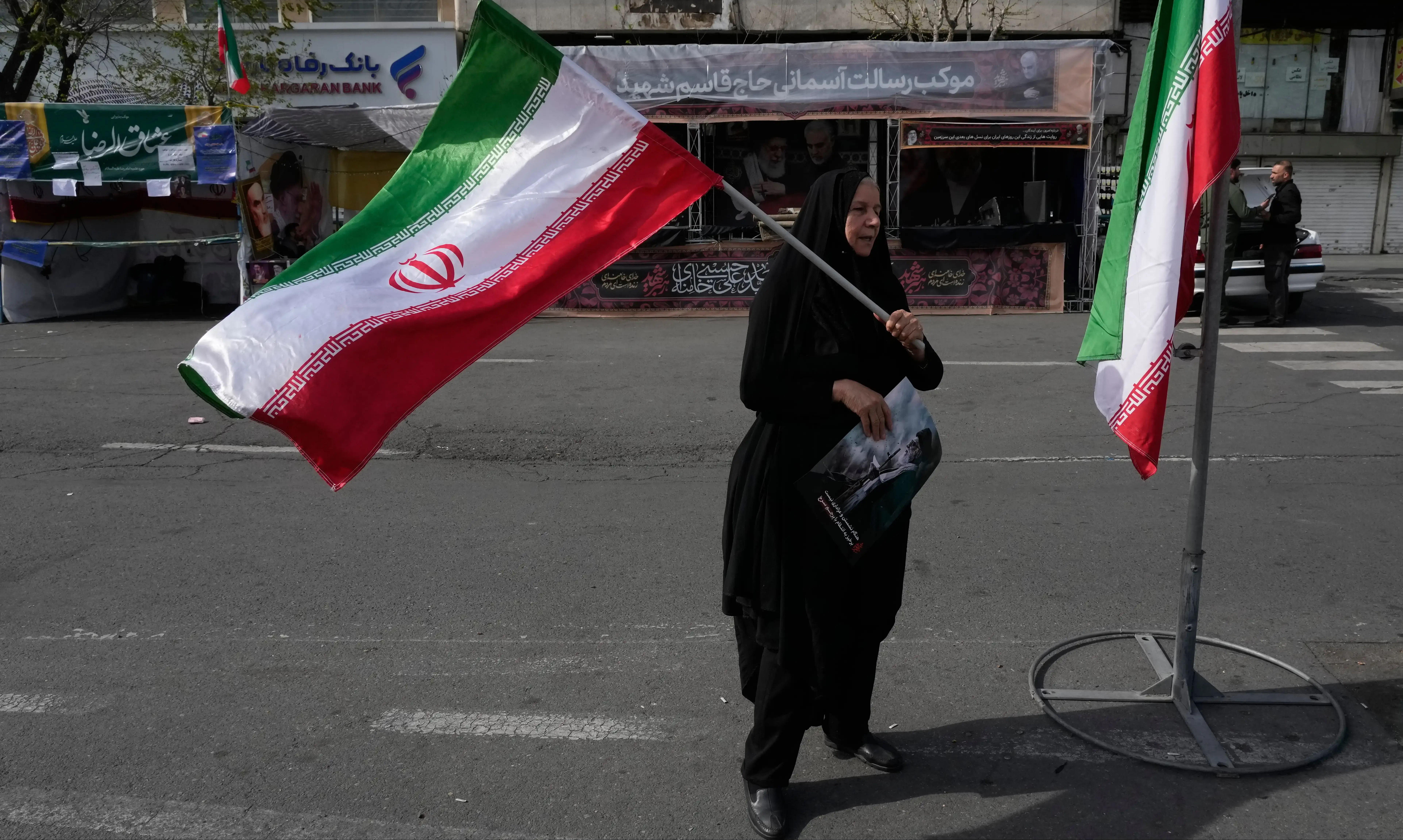
Iran is requiring vessels transiting the Strait of Hormuz to provide detailed information about their crew, cargo, and voyage to secure passage under Iranian protection. This move comes amid ongoing conflict in the Persian Gulf, with Iran asserting control
over the strategic waterway. Some ships, particularly those carrying high-value cargo, are being asked to pay fees, although this is not uniformly applied. The situation has led to disruptions in maritime traffic, affecting energy supplies, particularly in Asia.
Why It's Important?
The Strait of Hormuz is a critical chokepoint for global oil and gas shipments, and Iran's new requirements could further destabilize the region's energy trade. The move may exacerbate tensions between Iran and other countries, particularly those reliant on the strait for energy imports. The situation highlights the geopolitical complexities of the region and the potential for economic repercussions if the strait's accessibility is compromised.
What's Next?
The U.S. and other nations may seek diplomatic solutions to ensure the free flow of maritime traffic through the strait. Ongoing negotiations and potential military responses could shape the future of the region's stability. Countries affected by the disruptions, such as India and China, may increase diplomatic efforts to secure their energy supplies.