




What's Happening?
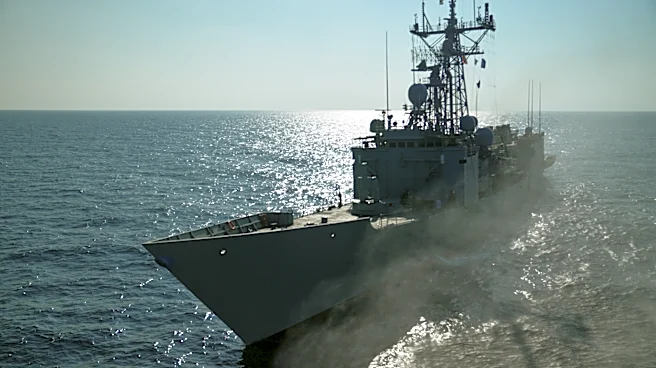
South Korea has approved a motion to significantly expand the operating area of its Cheonghae naval unit, extending its reach from the Gulf of Aden off Somalia to the open waters south of Oman, closer to the Strait of Hormuz. This expansion includes the addition
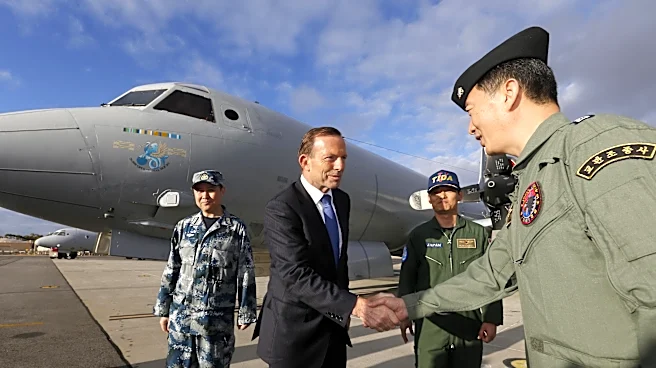
of a P-8 Poseidon maritime patrol aircraft, an explosive ordnance disposal (EOD) team, and unmanned mine-countermeasure equipment, increasing the unit's strength by 75 troops to a total of 395. The unit's mission, which previously focused on anti-piracy and vessel escort, now explicitly includes 'supporting the restoration of freedom of navigation along international sea lanes.' President Lee Jae-myung signed off on the motion, which awaits consent from the National Assembly to extend the deployment through the end of next year. This move is largely seen as a preparatory measure for potential international efforts to normalize navigation through the Strait of Hormuz, particularly in the aftermath of a possible U.S.-Iran conflict. South Korea's Foreign Ministry emphasized that the plan aims to protect its citizens and economic interests under a principle of non-involvement in the U.S.-Iran conflict, with the Defense Ministry restricting surveillance over Iranian territory and maintaining an independent South Korean chain of command.
Why It's Important?
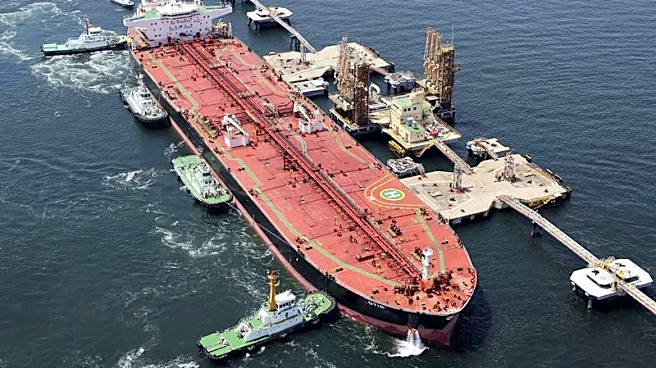
This expansion of South Korea's naval presence near the Strait of Hormuz carries significant implications for global maritime security and U.S. strategic interests in the Middle East. The Strait of Hormuz is a critical chokepoint for international oil shipments, and any disruption there can have immediate and severe impacts on global energy markets and the U.S. economy. By enhancing its capabilities and expanding its operational area, South Korea is contributing to broader efforts to ensure freedom of navigation, which aligns with U.S. foreign policy objectives in the region. The deployment of mine-clearing equipment and an EOD team suggests a proactive approach to potential post-conflict scenarios, aiming to mitigate risks to commercial shipping. While South Korea maintains a stance of non-involvement in the U.S.-Iran conflict, its increased military presence in the region indirectly supports stability and could reduce the burden on U.S. naval assets. This development also underscores the growing role of U.S. allies in sharing the responsibility for international security, potentially influencing future defense cooperation and burden-sharing discussions.
What's Next?
The expanded deployment of the Cheonghae unit is contingent on the consent of the National Assembly, which is expected to extend the mission through the end of next year. Following this, the South Korean government will likely continue to monitor the geopolitical situation in the Middle East, particularly developments concerning the Strait of Hormuz and U.S.-Iran relations. The emphasis on an independent South Korean chain of command and non-involvement in the U.S.-Iran conflict suggests a cautious approach, but further escalations in the region could prompt re-evaluations of their mission parameters. Additionally, President Lee Jae-myung has called for strengthening financial market monitoring and fostering strategic industries like semiconductors and artificial intelligence in response to changes in the external environment, including the U.S. midterm elections. This indicates a broader strategy to safeguard South Korea's economic interests amidst global uncertainties, which may involve closer collaboration with the U.S. administration and Congress on economic and technological fronts.
Beyond the Headlines
The expansion of the Cheonghae unit's mission reflects a broader trend of middle powers taking on more active roles in international security, often in areas vital to their economic interests. For South Korea, a nation heavily reliant on maritime trade, ensuring the security of key shipping lanes like the Strait of Hormuz is paramount. This move could also be interpreted as a strategic balancing act: demonstrating commitment to international security and alliance responsibilities while carefully navigating complex regional conflicts to avoid direct entanglement. The deployment of advanced assets like the P-8 Poseidon and mine-countermeasure equipment highlights a growing sophistication in South Korea's military capabilities and its willingness to project power beyond its immediate vicinity. This could set a precedent for other U.S. allies to increase their contributions to global security, potentially reshaping the dynamics of international defense cooperation and burden-sharing in critical regions.