




What's Happening?
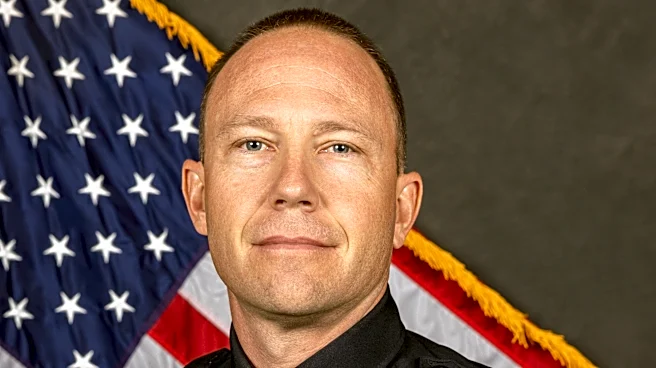
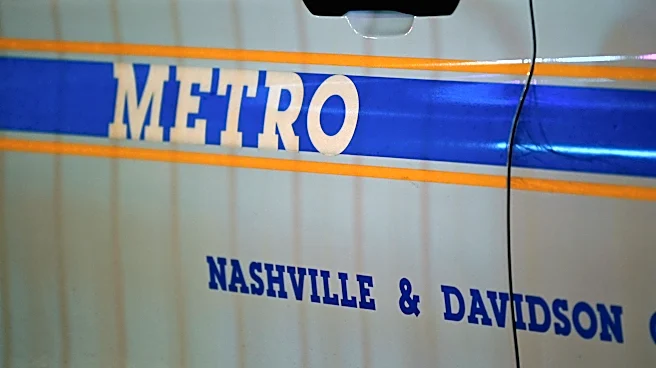
Metro Nashville Police Officer Joshua Baney has been decommissioned and stripped of all police authority after fatally shooting Jason Sexton, a man armed with a sword, during a standoff in North Nashville. The incident occurred on Cheshire Drive, where
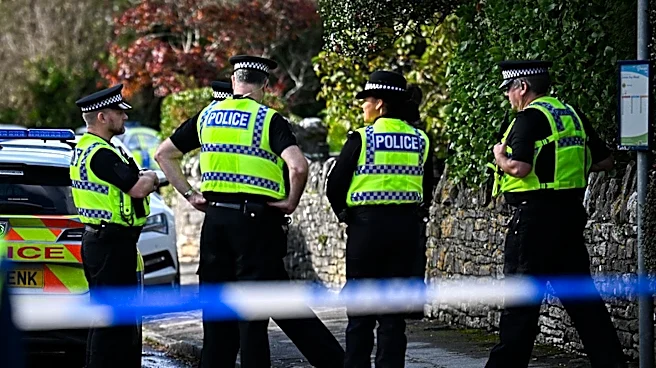
officers had been attempting to arrest Sexton on outstanding warrants. According to Metro Police, Sexton exited his vehicle carrying a sword, and a 26-year-old woman in the back seat claimed she was being held against her will. Patrol officers spent over an hour trying to persuade Sexton to surrender, and a crisis intervention-trained officer was speaking with him when the shooting took place. SWAT officers were on the scene developing a plan to take Sexton into custody when Officer Baney, a 12-year MNPD veteran, fired three times at Sexton as he held the sword. Sexton was transported to Skyline Medical Center, where he later died. The Tennessee Bureau of Investigation (TBI) is leading the criminal investigation, and the Metro Nashville Police Department is conducting an internal administrative investigation. No findings regarding the justification of Baney's use of force have been released.
Why It's Important?
This incident highlights critical issues surrounding police use of force, particularly in situations involving individuals with potential mental health challenges and weapons. The decommissioning of Officer Baney underscores the immediate scrutiny and accountability measures taken by the Metro Nashville Police Department, even as investigations are ongoing. The involvement of crisis intervention officers and negotiators, alongside SWAT, points to the complexities of de-escalation in high-stakes scenarios. The fact that Sexton's family had warned police about his mental health and recent social media videos discussing personal struggles adds another layer of concern regarding how law enforcement responds to individuals in crisis. The outcome of the TBI's criminal investigation and the MNPD's administrative review will be crucial in determining the appropriateness of the actions taken and could influence future police protocols for similar encounters, potentially leading to reforms in training or response strategies for situations involving mental health and armed individuals.
What's Next?
The Tennessee Bureau of Investigation (TBI) will continue its independent criminal investigation into the circumstances surrounding the shooting. Once complete, the TBI's findings will be provided to District Attorney General Glenn Funk for review, who will then determine if any charges are warranted. Concurrently, the Metro Nashville Police Department will proceed with its internal administrative investigation to assess whether Officer Baney's actions adhered to departmental policies and procedures. Officer Baney will remain decommissioned until the TBI reveals its findings. The release of body camera footage and 911 calls will likely be further scrutinized by the public and legal teams. This case could lead to broader discussions within the Nashville community and law enforcement agencies about de-escalation tactics, mental health response protocols, and the use of force policies, potentially influencing future training and resource allocation for crisis intervention teams.
Beyond the Headlines
The tragic death of Jason Sexton, following warnings from his family about his mental health, brings to the forefront the broader societal challenge of addressing mental health crises when they intersect with law enforcement. The incident raises questions about the adequacy of current systems for identifying and intervening with individuals experiencing severe mental distress, especially when they pose a potential threat to themselves or others. The use of a sword as a weapon, while unusual, underscores the unpredictable nature of such encounters and the difficult decisions officers face. This event could prompt a re-evaluation of how mental health professionals are integrated into police responses, potentially advocating for more robust co-responder models where mental health experts are present during initial contacts. Furthermore, the public's access to and interpretation of body camera footage will continue to shape narratives around police accountability and transparency, influencing public trust and demands for reform in law enforcement practices.