

What's Happening?
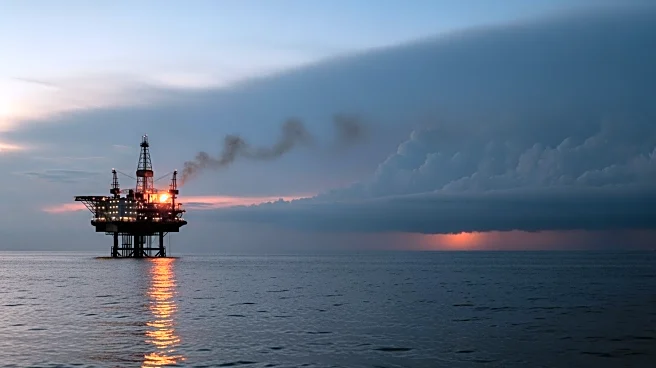
The Ukrainian Armed Forces have claimed responsibility for a drone strike on a Russian drilling rig in the Caspian Sea, resulting in the shutdown of 14 wells. This action is part of Ukraine's strategy to target Russian oil and gas infrastructure, aiming
to weaken Moscow's war economy. The rig is owned by Russia's state-controlled Lukoil, and the strike marks the first time facilities in the Caspian Sea have been targeted. Ukraine's military actions are intended to apply financial pressure on Russia, which is facing high inflation and potential recession due to war-related sanctions. The Ukrainian attacks on oil refineries and tankers linked to Russia's shadow fleet are part of a broader effort to disrupt Russia's oil sector, which has been under Western sanctions since the war began.
Why It's Important?
The drone strike on the Caspian Sea rig is significant as it represents a direct attack on Russia's oil infrastructure, a critical component of its economy. By targeting these facilities, Ukraine aims to disrupt Russia's financial stability and force the Kremlin to consider peace negotiations. The Russian economy, heavily reliant on oil, is under strain from sanctions and increased defense spending. This pressure could potentially lead to concessions in ongoing peace talks. The U.S. has also imposed new sanctions on Russian oil producers, further tightening the economic noose around Moscow. The geopolitical implications are profound, as Russia's key oil buyers, including China and Iran, may face increased scrutiny and pressure.
What's Next?
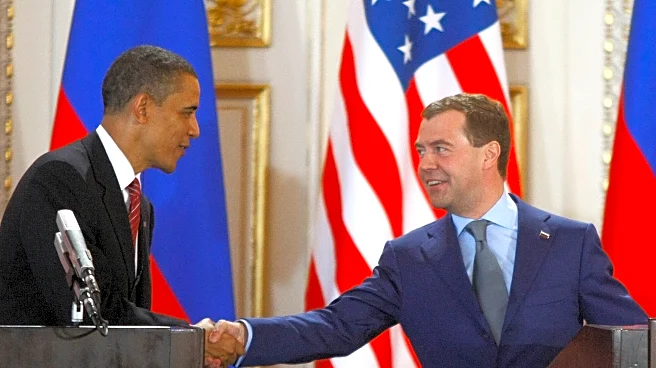
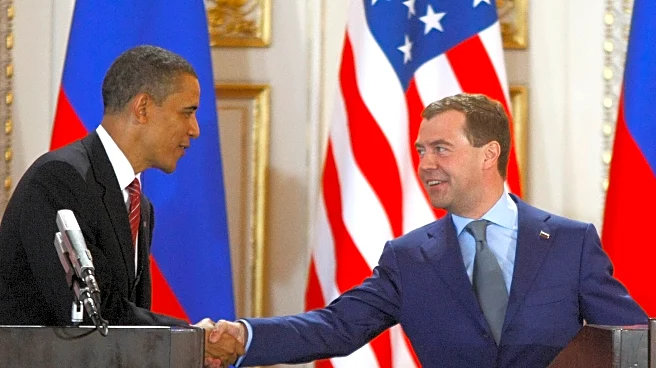
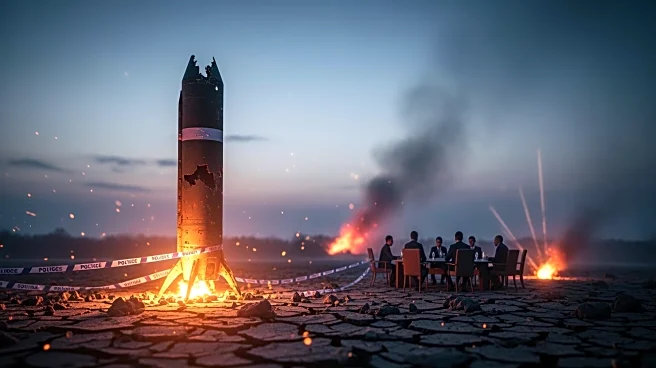
Negotiations for a peace agreement between Russia and Ukraine are ongoing, with new proposals being prepared by the U.S. and Ukraine. However, significant obstacles remain, including territorial concessions and the future security architecture of Ukraine. Ukraine insists on not recognizing Russian sovereignty over occupied territories and demands Western peacekeeping troops post-war, which Russia opposes. The outcome of these negotiations could reshape the geopolitical landscape in Eastern Europe and influence global energy markets. The international community is closely watching these developments, as they could lead to either a resolution or further escalation of the conflict.
Beyond the Headlines
The drone strike and subsequent shutdown of Russian gas wells highlight the evolving nature of warfare, where economic targets are increasingly prioritized. This strategy reflects a shift towards hybrid warfare, combining military and economic tactics to achieve strategic goals. The ethical implications of targeting civilian infrastructure, even in a wartime context, raise questions about the rules of engagement and the protection of non-combatant assets. Additionally, the reliance on drones and other advanced technologies in modern conflicts underscores the growing importance of technological superiority in military strategy.