






What's Happening?
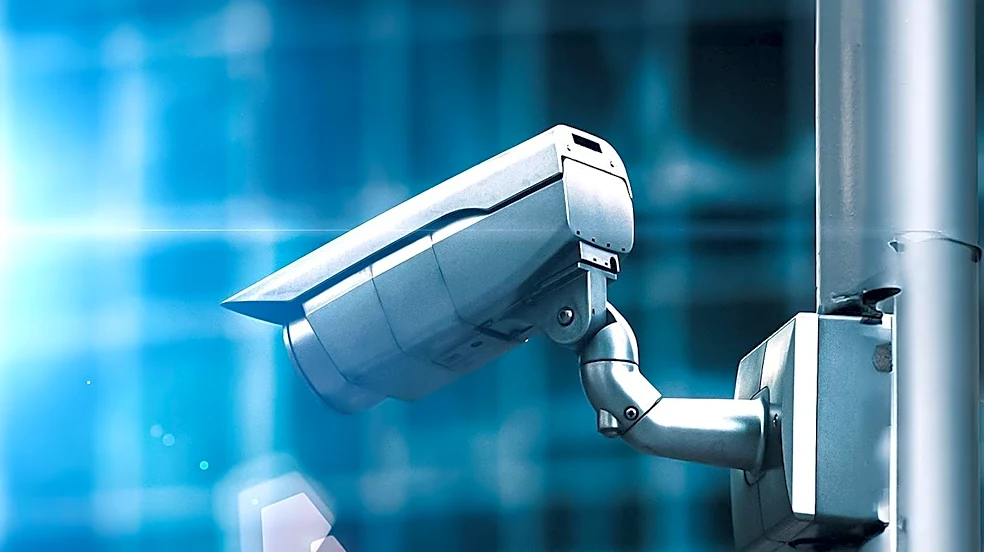
South Korea's army is set to undergo a significant reorganization, gradually establishing specialized Guard Post (GOP) security units and integrating artificial intelligence (AI)-based surveillance systems along its border with North Korea. This initiative
comes as the military plans to reduce its overall personnel count. The initial phase will see the creation of GOP security groups at the division level, with the 5th and 22nd Infantry Divisions beginning operations on October 1, 2027. Following an assessment of their performance, the military intends to form GOP security brigades at the corps level. This new structure aims to transfer GOP security tasks from existing brigades to these specialized units, allowing combat units in the forward defense area to concentrate on training and maintaining combat readiness. The modernization of the frontline border surveillance system is projected to be completed by 2028, with an AI-based border operations management system expected by 2033. The Ministry of Defense also plans to decrease the number of personnel involved in border security from approximately 22,000 to 6,000 by 2040.
Why It's Important?
This strategic shift by South Korea holds significant implications for regional security and military modernization. The introduction of AI-based surveillance systems represents a move towards advanced technological solutions for border defense, potentially enhancing efficiency and accuracy in monitoring the highly sensitive Demilitarized Zone (DMZ). By creating specialized border guard units, South Korea aims to optimize its military resources, allowing combat units to focus on core training and readiness rather than routine security tasks. This could lead to a more agile and effective defense posture. The planned reduction in border security personnel, facilitated by AI integration, also reflects a broader trend in modern militaries to leverage technology to compensate for demographic shifts or to reallocate human resources to other critical areas. The move could also influence future defense strategies in other nations facing similar border security challenges, particularly those with technologically advanced adversaries or complex geopolitical landscapes.
What's Next?
The initial GOP security groups are scheduled to commence operations on October 1, 2027, within the 5th and 22nd Infantry Divisions. Their performance will be evaluated to inform the subsequent formation of GOP security brigades at the corps level. The modernization of the frontline border surveillance system is slated for completion by 2028, with the full implementation of an AI-based border operations management system by 2033. The gradual reduction of border security personnel to 6,000 by 2040 will proceed in parallel with these technological advancements. This phased approach suggests a careful and deliberate transition, allowing for adjustments and refinements based on real-world performance and evolving security needs. The success of these initiatives could set a precedent for future military reorganizations and technological integrations in South Korea and potentially serve as a model for other nations.
Beyond the Headlines
The adoption of AI in border security raises deeper questions about the future of warfare and surveillance. While AI systems promise enhanced efficiency and reduced human risk, their deployment also brings considerations regarding ethical implications, potential for algorithmic bias, and the need for robust cybersecurity measures to prevent compromise. The reliance on AI could also lead to a shift in the nature of military roles, requiring personnel with specialized skills in technology management and data analysis. Furthermore, the reduction in human presence along the border, while potentially increasing efficiency, might also alter the dynamics of deterrence and communication in a highly militarized zone. The long-term impact on inter-Korean relations, particularly concerning trust-building and de-escalation efforts, will be a critical aspect to observe as these technological changes are implemented.