


What's Happening?
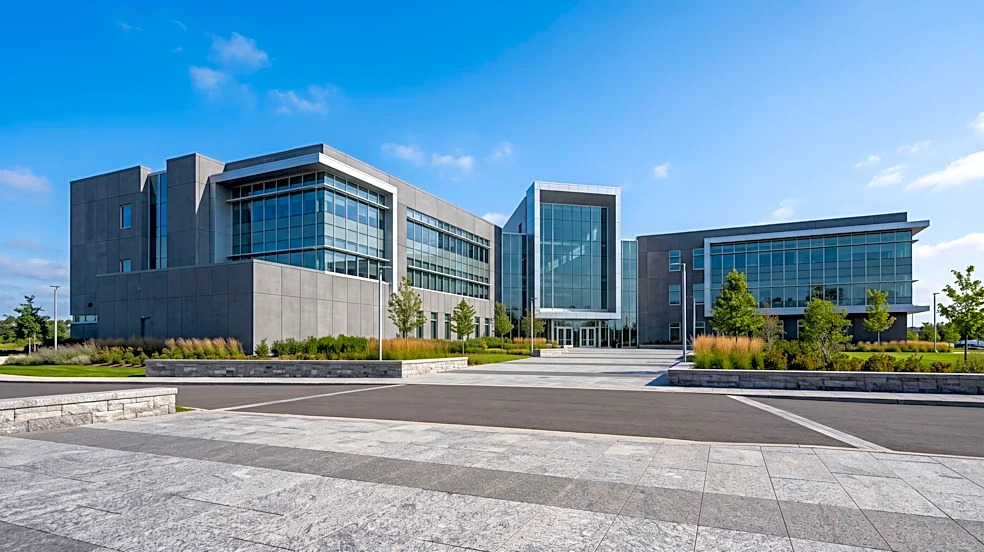
Waltham city councilors are scrutinizing the proposed new police headquarters project, focusing on its costs and energy efficiency. Jeff McElravy, the principal architect, presented updated plans to the Committee of the Whole, which now include offices
for the Fire Department administration, 911 operators, and telecommunications within a walled-off wing of the police station. The city has been discussing updates to the public safety complex since 2018, with the police station's design process beginning in 2024. The new headquarters is planned to be built behind the current station to avoid operational disruptions, but its layout intersects with buildings currently used by the Department of Public Works (DPW). The project's timeline is contingent on the construction of a new DPW headquarters at the Fernald estate. Councilors approved a $462,755 loan for the design of the fire and telecommunications wing, and the full City Council has reviewed early plans for the police station's layout and systems. McElravy had previously estimated construction costs for an earlier plan at over $80 million before the addition of the fire administration wing.
Why It's Important?
This project is significant for Waltham as it addresses the urgent need for updated public safety infrastructure, with one councilor describing the current police building as 'essentially condemned.' The integration of fire administration and telecommunications into the police headquarters aims to streamline construction timelines for a future fire station. However, the substantial cost, potentially exceeding $80 million, and the long-term value of the building, estimated at 25 to 50 years, raise critical questions for taxpayers and city officials. The emphasis on energy efficiency, including solar energy options and the potential for geothermal power, reflects a broader societal push towards sustainable public infrastructure and could set a precedent for future municipal projects. The project's dependency on the construction of a new DPW headquarters highlights the interconnectedness of city planning and the potential for delays in one project to impact others, affecting public services and resource allocation.
What's Next?
McElravy's team is scheduled to return multiple times over the next year to provide updates on the police station's design. In early 2027, after finalizing schematic designs, the team will begin planning the building's energy systems. Council President Robert G. Logan has requested a 30-year breakdown of potential costs and savings associated with geothermal energy and building the station to net-zero energy consumption standards. Neil Joyce, the project manager, expects an update on the DPW project in November or December, with construction slated to begin in late 2027. The goal is to partially move the DPW into its new headquarters early to allow police building construction to start in mid-2028. The police station is not anticipated to be completed until 2029, and a new fire station will only begin construction after the police station is finished. Councilor-at-Large Carlos A. Vidal suggested keeping details of the Police Department's layout out of future public presentations to maintain security.
Beyond the Headlines
The debate over the new police station in Waltham extends beyond immediate costs and timelines, touching upon deeper implications for urban development and public trust. The councilors' insistence on exploring net-zero energy options, despite potential cost increases, reflects a growing public and governmental commitment to environmental sustainability in infrastructure projects. This could influence future municipal construction standards, pushing for greener buildings even if it means higher initial investment. The concern about the security of the police station's layout, as raised by Councilor-at-Large Carlos A. Vidal, underscores the evolving challenges of public safety in an era where information accessibility and potential threats are heightened. Furthermore, the long-standing discussion about updating the public safety complex since 2018 highlights the often-protracted nature of large-scale public works projects, involving complex inter-departmental coordination and significant financial planning, which can test public patience and confidence in local governance.