



What's Happening?
Southeast Asia is facing significant challenges in its efforts to expand gas-fired power generation due to gas shortages, high prices, and supply chain bottlenecks. According to energy consultancy Wood Mackenzie, six major Southeast Asian economies are
expected to deliver only a third of their planned gas-fired power capacity by 2030. The delays are attributed to a global shortage of gas turbines, volatile LNG prices, and financing constraints. These issues are forcing policymakers to reconsider the role of gas in their energy transition plans, with coal and renewables potentially playing larger roles in the region's electricity mix. The current crisis in the Middle East has further complicated the situation, prompting a reassessment of energy security strategies.
Why It's Important?
The delays in Southeast Asia's power expansion highlight the complexities of transitioning to cleaner energy sources amid global supply chain disruptions and geopolitical tensions. The region's reliance on gas-fired power is being tested, with potential implications for energy security and economic growth. The situation underscores the need for diversified energy strategies that balance immediate needs with long-term sustainability goals. As Southeast Asia navigates these challenges, the role of coal and renewables may become more prominent, influencing the region's energy landscape and its contribution to global climate goals.
What's Next?
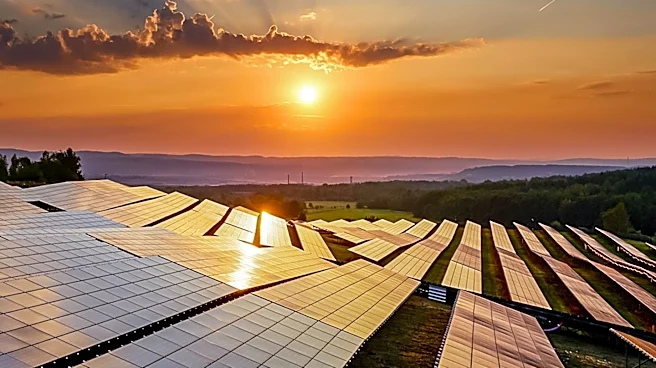
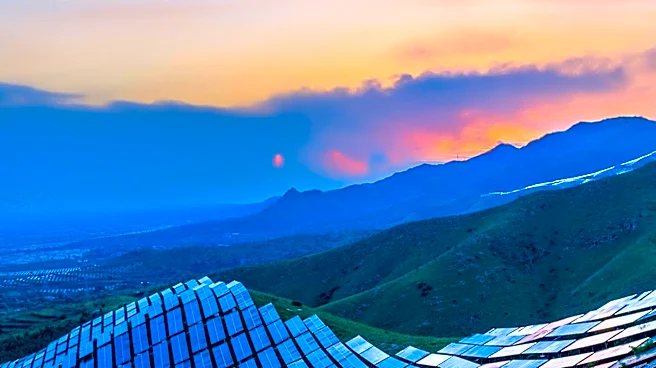
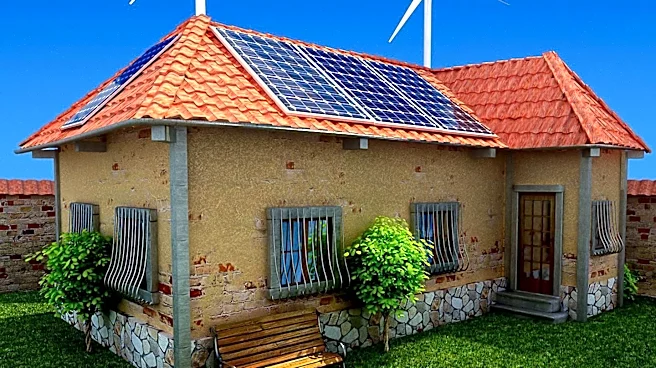
Southeast Asian countries may need to accelerate investments in renewable energy and infrastructure to mitigate the impact of gas shortages and high prices. Policymakers are likely to explore alternative energy sources and technologies to enhance energy security and reduce reliance on volatile gas markets. The region's energy transition plans may be adjusted to prioritize resilience and sustainability, with increased focus on solar and wind power. As the situation evolves, collaboration with international partners and investment in innovative solutions will be crucial to achieving energy goals and ensuring economic stability.