


What's Happening?
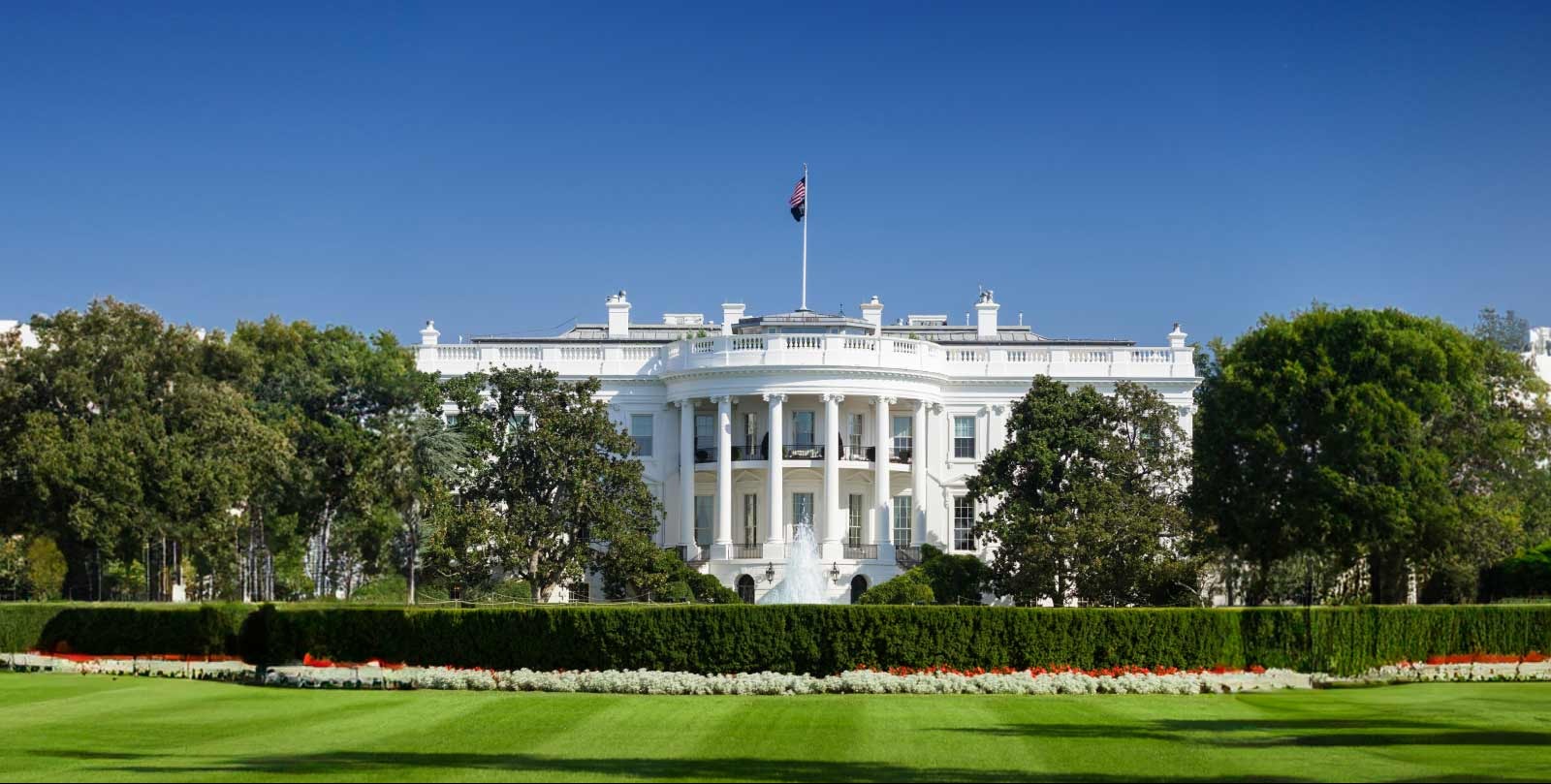
In a recent Oval Office ceremony, President Donald Trump signed a bipartisan bill allowing schools to serve whole and 2% milk, alongside skim and low-fat options. The event, however, was overshadowed by Trump's discussions on various international and domestic
issues. Before addressing the milk bill, Trump spoke about Iran's halted execution plans and the capture of a leaker related to Venezuela. He also signed executive orders concerning tariffs on semiconductors and rare earth minerals. The ceremony, attended by lawmakers, dairy farmers, and children, highlighted the nutritional benefits of milk, with Trump humorously noting the presence of a milk bottle on his desk.
Why It's Important?
The signing of the 'Whole Milk for Healthy Kids Act' marks a significant shift in school nutrition policy, potentially impacting dairy farmers and school meal programs nationwide. By allowing whole milk in schools, the bill could increase milk consumption, benefiting the dairy industry. The event also underscores Trump's approach to multitasking major policy announcements, reflecting his administration's focus on both domestic and international issues. The discussions on Iran and Venezuela highlight ongoing geopolitical tensions and the administration's strategies in addressing them.
What's Next?
Following the bill's signing, schools will begin implementing the new milk options, potentially increasing demand for whole milk. The administration's focus on international issues, such as Iran and Venezuela, suggests continued diplomatic and strategic maneuvers. The executive orders on tariffs may influence trade relations and economic policies, particularly in the tech and manufacturing sectors. Stakeholders, including dairy farmers and educational institutions, will likely monitor the bill's impact on milk consumption and nutritional outcomes in schools.