








What's Happening?
Jeb Wilson, a fifth-generation farmer from Lowrys, South Carolina, has been appointed as the State Executive Director for the USDA Farm Service Agency (FSA) in South Carolina. This appointment places him in charge of overseeing federal agricultural programs
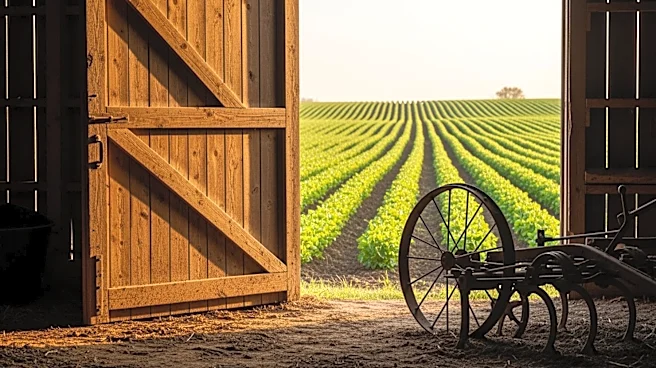
that support the state's farming community. Agriculture Secretary Brooke Rollins emphasized the importance of these appointments in ensuring the success of President Trump's America First agenda in rural areas. FSA Administrator Bill Beam highlighted the critical role of State Executive Directors in carrying out the USDA's mission at the state level, focusing on meeting the needs of local agricultural producers. Wilson's family farm grows a variety of crops, including cotton, rye, peaches, and strawberries. In his new role, Wilson will oversee FSA programs related to commodities, conservation, credit, and disaster assistance, aimed at strengthening agricultural production and supporting farmers, ranchers, and forest landowners throughout South Carolina.
Why It's Important?
The appointment of Jeb Wilson as the USDA FSA State Executive Director for South Carolina is significant for the state's agricultural sector. His leadership is expected to enhance the implementation of federal agricultural programs, which are crucial for the prosperity of local farming communities. By focusing on the needs of farmers and ranchers, Wilson's role will contribute to the overall economic health of rural areas in South Carolina. This appointment aligns with the broader national agenda of supporting rural communities, which are vital to the country's food supply and economic stability. The emphasis on putting 'Farmers First' reflects a commitment to addressing the challenges faced by agricultural producers, including market access, financial support, and disaster resilience.
What's Next?
As Jeb Wilson assumes his new role, he will likely focus on strengthening the relationship between the USDA and South Carolina's agricultural community. This may involve engaging with local farmers to understand their needs and challenges better, and ensuring that federal programs are effectively tailored to support them. The success of his leadership could lead to increased agricultural productivity and sustainability in the state. Additionally, Wilson's experience and background in farming may influence policy decisions and program implementations that prioritize practical solutions for farmers. Stakeholders, including local agricultural associations and policymakers, will be watching closely to see how Wilson's leadership impacts the state's agricultural landscape.