









What's Happening?
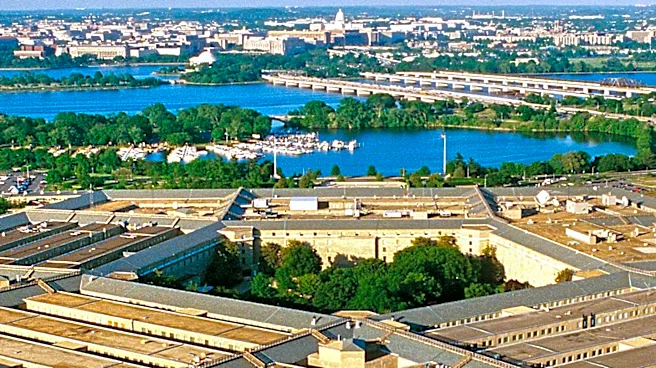
A series of high-level firings and departures at the Pentagon under Defense Secretary Pete Hegseth has sparked bipartisan concern in Congress. Lawmakers are worried that the removal of senior military leaders, including General Chris Donahue, could undermine
decision-making during a time of global uncertainty. Critics argue that the lack of transparency in these decisions risks eroding confidence within the military ranks. The Pentagon maintains that these changes are part of a longstanding policy where senior military leadership serves at the discretion of civilian authorities. However, the scale and timing of these changes, particularly during ongoing U.S. military engagements abroad, have raised questions about the motivations behind them.
Why It's Important?
The firings have significant implications for U.S. military operations and national security. The removal of experienced military leaders could impact the quality of advice provided to civilian leadership, potentially affecting strategic decisions in conflict zones. The bipartisan concern highlights a rare area of agreement in Congress, emphasizing the importance of maintaining a balance between the Pentagon's authority and congressional oversight. The situation also raises questions about the potential politicization of military leadership, which could undermine trust and effectiveness within the armed forces.
What's Next?
Congress is considering measures to increase oversight of the Pentagon's decisions regarding military leadership. A proposal has been advanced in the House that would require the Pentagon to inform Congress within five days of any senior military official's removal. This approach aims to enhance transparency without limiting the Pentagon's authority. The issue is expected to be a focal point in the upcoming debate over the National Defense Authorization Act, with lawmakers weighing the need for transparency against the executive branch's control over military personnel decisions.