







What's Happening?
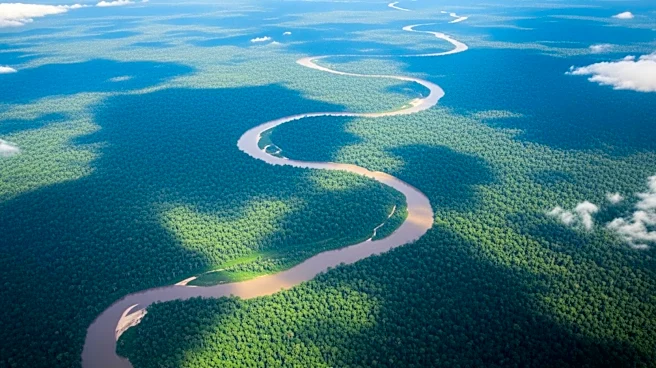
NASA astronaut Jessica Meir captured a striking image of the Ucayali River, a major tributary of the Amazon River, from the International Space Station. The photograph, taken during Meir's mission aboard the ISS, showcases the river's winding path through
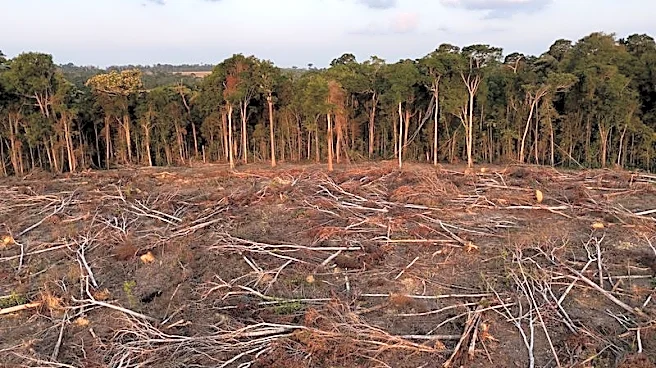
the Amazon rainforest in central Peru. This region is known for its rich biodiversity, home to species such as pink dolphins, manatees, and jaguars. Despite its natural beauty, the area faces significant threats from illegal logging and commercial fishing, which continue to impact the local ecosystem and indigenous communities.
Why It's Important?
The photograph serves as a powerful reminder of the Amazon rainforest's ecological significance and the ongoing environmental challenges it faces. The Amazon is a critical component of the global ecosystem, playing a vital role in carbon storage and biodiversity. The threats of illegal logging and commercial fishing not only endanger wildlife but also disrupt the lives of indigenous populations who depend on the forest for their livelihoods. Observing Earth from space provides a unique perspective on these issues, emphasizing the need for global awareness and action to protect such vital natural resources.
What's Next?
The image captured by Meir may inspire further discussions and actions regarding conservation efforts in the Amazon. International cooperation and policy-making are crucial to address the environmental threats facing the region. Organizations and governments may use such visual evidence to advocate for stricter regulations and sustainable practices. Continued monitoring from space can aid in tracking changes in the rainforest, providing data to support conservation strategies and raise awareness about the importance of preserving the Amazon's biodiversity.
Beyond the Headlines
Beyond its immediate visual impact, the photograph highlights the broader implications of environmental degradation in the Amazon. The region's health is closely linked to global climate stability, and its destruction could have far-reaching consequences for weather patterns and carbon emissions worldwide. The image underscores the ethical responsibility of the international community to protect vulnerable ecosystems and support the rights of indigenous peoples who have historically been stewards of the land.