




What's Happening?
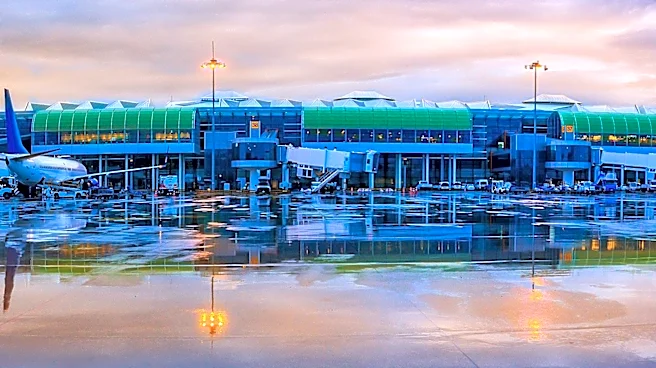
The Federal Aviation Administration (FAA) lifted a ground stop for flights destined for President Donald J. Trump International Airport in West Palm Beach, Florida, on Wednesday afternoon. The ground stop, which was initiated at 1:51 p.m. and lasted until
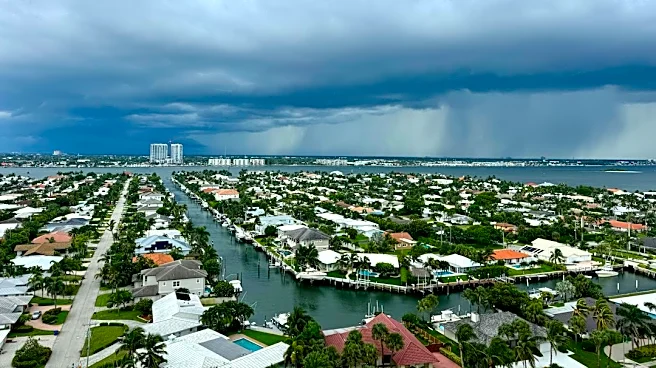
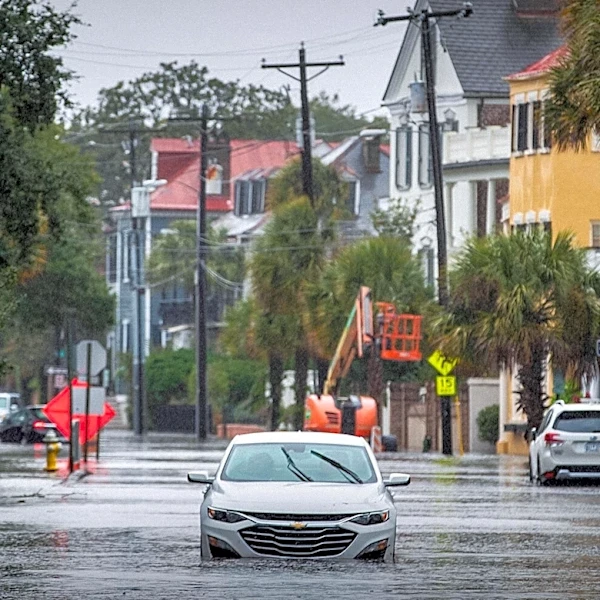
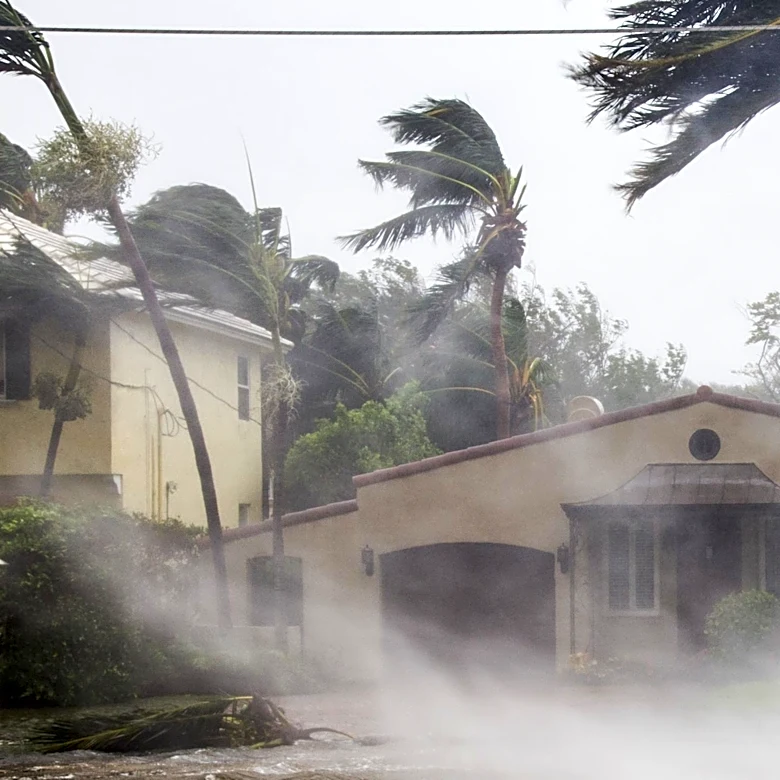
3:15 p.m., was primarily due to airport volume. Earlier in the day, flights departing from the airport experienced average delays of 15 minutes, which were attributed to severe thunderstorms in the area. The restriction affected flights originating from three FAA air traffic control regions: Atlanta, Jacksonville, and Miami, impacting flights from various locations headed to West Palm Beach. As of 4:10 p.m., all delays had reportedly cleared, and flights resumed normal operations.
Why It's Important?
This incident highlights the significant impact that weather conditions and airport volume can have on air travel, even for major transportation hubs. Ground stops and delays can cause considerable disruption for travelers, leading to missed connections, rescheduled plans, and economic costs for airlines and passengers. The FAA's swift action to implement and then lift the ground stop demonstrates its role in managing air traffic flow and ensuring safety during adverse conditions. For the affected regions (Atlanta, Jacksonville, and Miami), such disruptions can create a ripple effect across the national air traffic system, as delays in one area can impact subsequent flights and schedules nationwide. The quick resolution of the ground stop is crucial for minimizing broader travel disruptions and maintaining the efficiency of air transportation.
What's Next?
Travelers planning to fly to or from President Donald J. Trump International Airport, or any airport in regions prone to severe weather, are advised to continue monitoring their flight status with their respective airlines. While the immediate ground stop has been lifted and delays cleared, weather conditions can change rapidly, potentially leading to further disruptions. The FAA will continue to monitor weather patterns and air traffic volume to ensure the safety and efficiency of air travel. Airlines will work to manage any residual operational impacts from the earlier delays, such as crew scheduling or aircraft repositioning. Passengers should remain vigilant and check for updates before heading to the airport.
Beyond the Headlines
Beyond the immediate inconvenience to travelers, incidents like this underscore the complex interplay between weather, air traffic control, and airport infrastructure. The FAA's decision-making process during such events involves balancing safety concerns with the need to maintain efficient air travel. The increasing frequency and intensity of severe weather events, potentially linked to climate change, could lead to more frequent disruptions in air travel, necessitating further investments in resilient airport infrastructure and advanced air traffic management systems. Furthermore, the naming of the airport as 'President Donald J. Trump International Airport' adds a political dimension, potentially drawing more public attention to operational issues at this specific facility. The incident also serves as a reminder of the critical role of air traffic controllers and ground staff in managing complex logistical challenges under pressure.