
What's Happening?
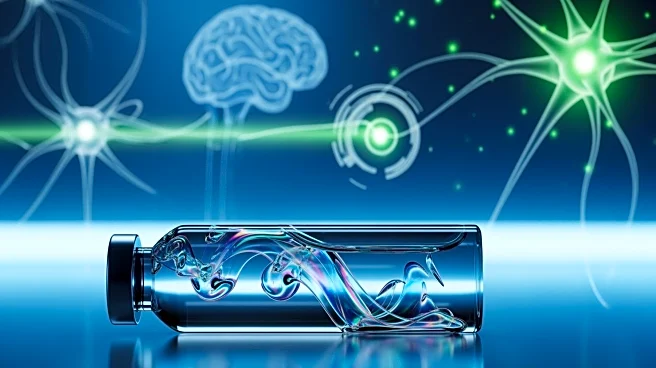
A new diagnostic technology, known as machine perception liquid biopsy (MPLB), has been developed to identify brain tumors through systemic immune and tumor microenvironment signatures. This innovative
approach utilizes nanosensors to detect and classify central nervous system tumors, including glioma, meningioma, pituitary adenoma, and schwannoma, from peripheral blood plasma samples. The MPLB technology is designed to be a cost-effective complement to traditional imaging methods, offering a portable and inexpensive solution for frequent monitoring of tumor progression. The study, conducted at NYU Langone Health, demonstrated the technology's ability to accurately detect tumors and identify potential biomarkers, paving the way for personalized treatment strategies.
Why It's Important?
The development of MPLB represents a significant advancement in the field of oncology diagnostics. By providing a non-invasive, cost-effective method for tumor detection, this technology could improve early diagnosis and treatment outcomes for patients with brain tumors. The ability to frequently monitor tumor progression without the need for expensive imaging could also reduce healthcare costs and increase accessibility to diagnostic services. Furthermore, the identification of new biomarkers through MPLB could lead to more targeted and effective therapies, enhancing the precision of cancer treatment.
What's Next?
Further validation of MPLB is required through larger clinical trials to confirm its efficacy and reliability across diverse patient populations. Researchers will need to refine the technology to enhance its sensitivity and specificity for different tumor types. Additionally, collaborations with healthcare providers and regulatory agencies will be essential to integrate MPLB into clinical practice. As the technology evolves, it may also be adapted for use in diagnosing other types of cancer, broadening its impact on cancer care.
Beyond the Headlines
The introduction of MPLB highlights the growing role of machine learning and artificial intelligence in medical diagnostics. This trend is transforming the landscape of healthcare, offering new tools for disease detection and management. However, it also raises questions about data privacy and the ethical use of AI in medicine. Ensuring that these technologies are used responsibly and equitably will be crucial as they become more integrated into healthcare systems.