


What's Happening?
The Jacksonville Fire and Rescue Department (JFRD) has introduced a new rip current simulator, named the 'Slipstream,' to enhance its water rescue capabilities. This advanced technology is designed to prepare both rescue personnel and the community for
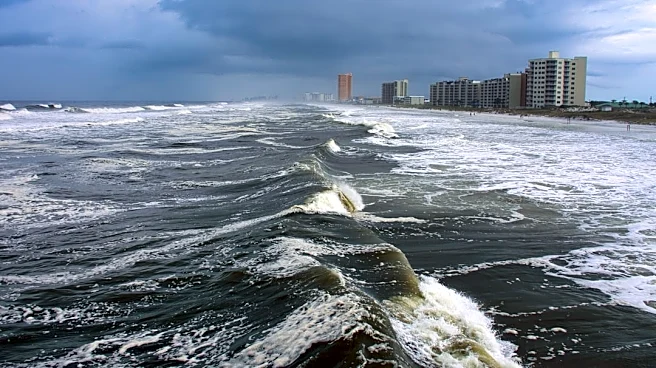
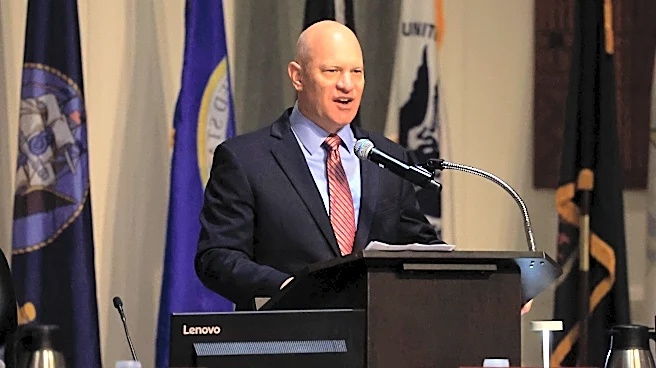
dangerous aquatic conditions, particularly rip currents. Dallas Cooke, JFRD’s Division Chief of Rescue, demonstrated the machinery, emphasizing its dual purpose in public education and rigorous responder training. The simulator can move up to 3,000 gallons of water, allowing instructors to precisely control the intensity of the water flow, thereby creating realistic training scenarios. The introduction of this equipment comes at a critical time for Florida, given its extensive coastlines, numerous community pools, lakes, and retention ponds, which mean residents and visitors are constantly exposed to water. Cooke noted a recent increase in traumatic water-related incidents in the region, highlighting the urgent need for improved preparation and training.
Why It's Important?
The deployment of the Slipstream rip current simulator is a significant advancement in water safety and emergency preparedness for Jacksonville and the broader Florida region. Rip currents are a leading cause of drownings on coastlines, and effective training is crucial for saving lives. This simulator provides a controlled and realistic environment for first responders to practice rescue techniques, improving their skills and confidence before facing real-life emergencies. For the community, the simulator also serves as an educational tool, raising awareness about the dangers of rip currents and teaching individuals how to react if caught in one. Given Florida's extensive water bodies and the reported increase in water-related incidents, this investment directly addresses a critical public health and safety need. It signifies a proactive approach by JFRD to leverage technology for better preparedness, potentially reducing fatalities and injuries associated with aquatic hazards. This initiative could also serve as a model for other coastal communities facing similar challenges.
What's Next?
The Jacksonville Fire and Rescue Department will integrate the Slipstream rip current simulator into its regular training programs for rescue personnel. This will involve developing specific training modules and protocols to maximize the effectiveness of the new equipment. JFRD will also likely expand its public education efforts, using the simulator to demonstrate rip current dangers and safety techniques to the community. This could include public demonstrations, workshops, and educational campaigns aimed at beachgoers and residents. The department will monitor the impact of the simulator on rescue outcomes and responder preparedness, potentially leading to further refinements in training methods. As the technology is utilized, there may be opportunities for collaboration with other fire and rescue agencies in Florida and beyond, sharing best practices and potentially influencing the adoption of similar simulators in other high-risk coastal areas. The ongoing goal will be to continuously improve water safety and reduce water-related incidents.
Beyond the Headlines
The introduction of the rip current simulator by JFRD highlights a broader shift towards advanced, simulation-based training in emergency services. This move reflects an understanding that traditional training methods may not fully prepare responders for the dynamic and unpredictable nature of certain emergencies. By creating a controlled yet realistic environment, the simulator allows for repetitive practice of high-stakes scenarios, which can significantly improve decision-making under pressure and reduce response times. Ethically, this technology underscores a commitment to responder safety, as it allows for training in dangerous conditions without putting lives at immediate risk. Culturally, it reinforces the value of preparedness and the proactive use of technology to safeguard public well-being. This investment also speaks to the evolving challenges faced by coastal communities due to climate change, which can influence weather patterns and increase the frequency or intensity of natural hazards like rip currents. The simulator is not just a training tool; it's a symbol of adaptation and innovation in the face of environmental and public safety challenges.