








What's Happening?
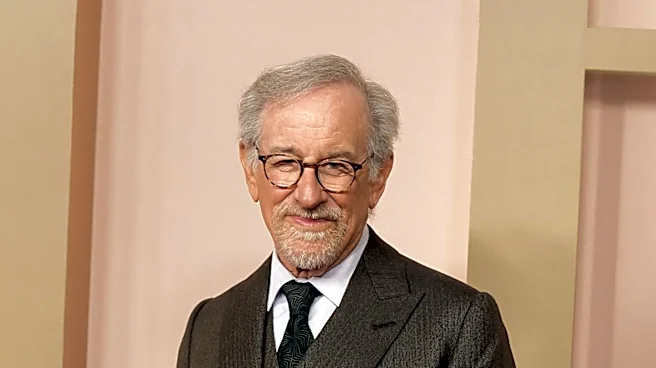
Filmmaker Steven Spielberg and his wife, Kate Capshaw, have removed their sprawling Los Angeles ranch from the market. The couple had listed the property, known as Dogwood, for $29.9 million in September. This decision comes decades after Spielberg abandoned
controversial plans to transform the estate with an enormous five-story riding facility. Purchased in 1999 for $5.75 million through their corporate entity, Texas Tart, the property was intended for a 27,000-square-foot riding facility with a domed roof and underground horse stables, alongside a 2,400-square-foot guesthouse and a three-story guardhouse, totaling over $7 million in renovations. These ambitious plans faced significant backlash from neighbors who objected to the project's scale, leading to their eventual abandonment. Despite never residing in this particular property, the couple maintained it as part of their extensive real estate portfolio for nearly three decades, updating it into its current luxurious state.
Why It's Important?
The removal of Steven Spielberg's Los Angeles ranch from the market highlights the complexities and challenges high-profile individuals face when undertaking large-scale property developments, particularly in affluent residential areas. The initial backlash from neighbors against the proposed five-story riding facility underscores the power of community opposition in shaping development projects, even for influential figures. This situation reflects broader trends in urban planning and zoning, where local residents often have a significant say in preventing projects they deem disruptive or out of character with their neighborhoods. For the real estate market, the decision to pull a multi-million dollar property suggests a strategic reassessment, possibly due to market conditions, a change in personal plans, or a desire to avoid further public scrutiny over past development controversies. It also illustrates how celebrity-owned properties, despite their allure, are still subject to the same regulatory and community pressures as any other development.
What's Next?
The immediate next step for the Dogwood ranch is unclear, as it has been removed from the selling block. Spielberg and Capshaw may choose to relist the property at a later date, potentially with a revised strategy or price, or they might decide to retain it within their portfolio. Given their history of extensive real estate holdings, including a primary residence in Pacific Palisades, a Malibu beachfront home, and properties in New York, retaining the ranch is a viable option. Future actions could also involve exploring alternative uses for the property that are less likely to draw community opposition, or a private sale that bypasses the public market. The property's status will likely remain under observation by real estate enthusiasts and local community groups, especially if any new development plans are proposed in the future.
Beyond the Headlines
This event subtly touches upon the broader theme of land use and community rights versus individual property development ambitions. The initial controversy surrounding Spielberg's proposed riding facility reflects a common tension in many affluent U.S. communities where residents are increasingly protective of their neighborhood character and environmental impact. It also highlights the scrutiny that public figures face, where their private development plans can quickly become public issues. The decision to abandon the project and later pull the property from the market could be seen as a pragmatic response to avoid prolonged disputes and negative publicity. This case serves as a reminder that even individuals with significant resources and influence must navigate local regulations and community sentiment, underscoring the democratic aspects of local governance and planning in the United States.