





What's Happening?
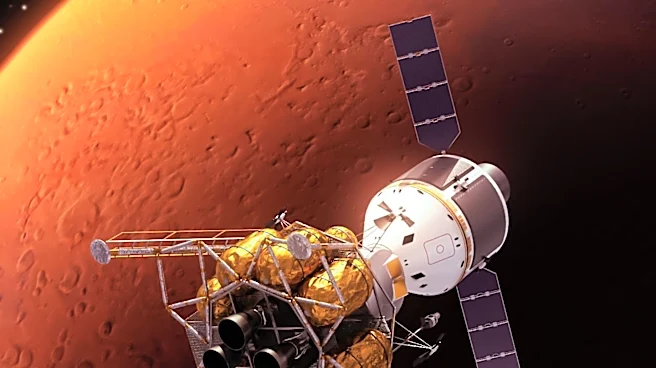
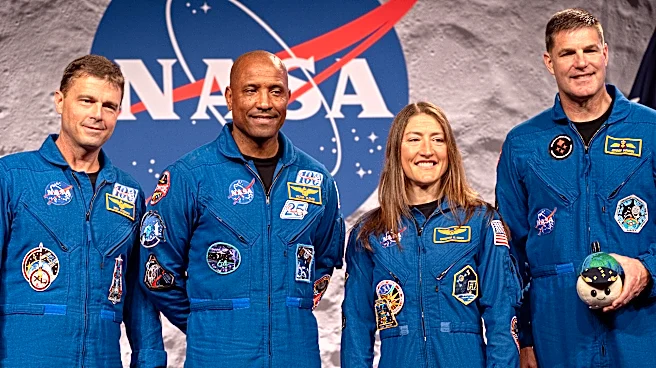
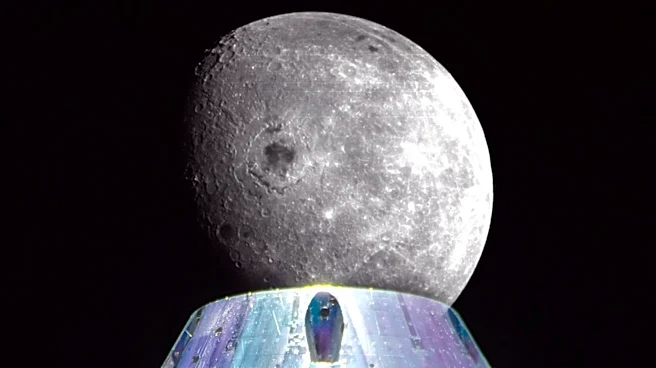
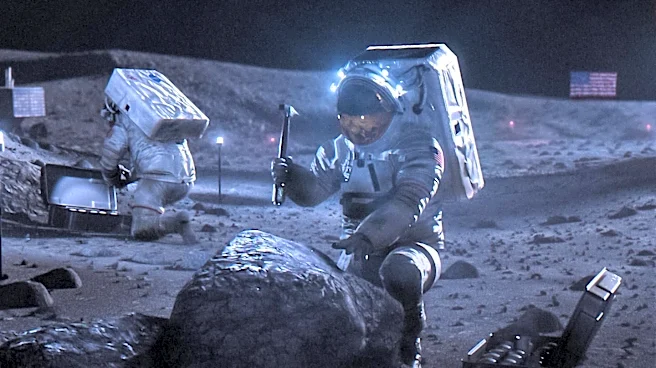
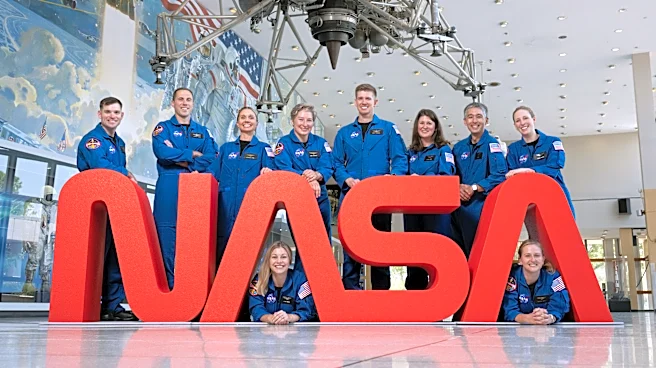
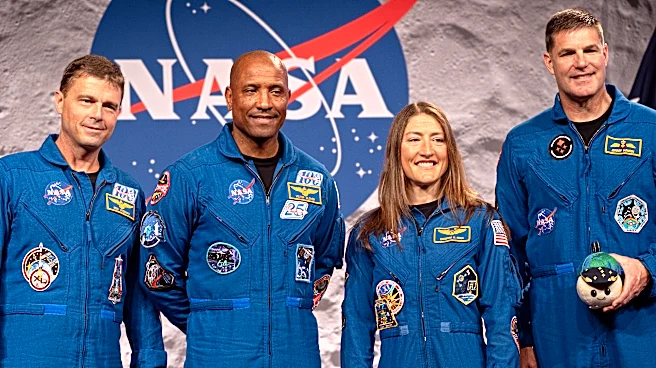
The National Aeronautics and Space Administration (NASA) has announced an open call for applications for its next class of astronauts. This recruitment drive is part of NASA's broader strategy to establish a long-term human presence on the Moon, with
future missions extending to Mars. Applicants must be U.S. citizens, and there is no official age limit for candidates. The selected individuals will undergo approximately two years of rigorous training to prepare for complex missions, including landing at the Moon's South Pole, constructing lunar bases, and conducting extensive exploration. This initiative underscores NASA's commitment to advancing human spaceflight and securing America's leadership in what it terms 'Space Race 2.0,' focusing on lunar permanence, commercialization, and strategic infrastructure. The agency is actively developing the necessary infrastructure, including commercial robotic deliveries, a nuclear-powered rover named PROMISE, and new launch and orbital transfer services, to support these ambitious lunar objectives.
Why It's Important?
This astronaut recruitment is crucial for the future of U.S. space exploration, as it directly supports NASA's goal of establishing a sustained human presence on the Moon and eventually Mars. By investing in a new generation of space explorers, NASA aims to ensure the continuity of its ambitious lunar programs, which include building a permanent outpost at the Moon's South Pole. This endeavor has significant implications for scientific discovery, technological innovation, and national prestige. The development of lunar infrastructure, such as the PROMISE rover and advanced communication networks, will drive advancements in various U.S. industries, including aerospace, robotics, and energy. Furthermore, the establishment of a lunar base could serve as a critical stepping stone for future deep-space missions, positioning the U.S. at the forefront of international space efforts and fostering economic opportunities in the burgeoning space economy.
What's Next?
Applications for the astronaut program are open until December 3, 2026, with NASA expecting to make final selections by the end of 2027. Following selection, candidates will begin a two-year training program. Concurrently, NASA will continue to advance its lunar infrastructure development, including the deployment of commercial components for a Mini-Communications and Solar Tower (miniCAST) and the development of Orbital Transfer Vehicles (OTVs) for cargo transport. Upcoming missions will focus on risk reduction, verifying communication and navigation methods, and preparing the lunar South Pole for human exploration using highly mobile drones. The agency is also engaging U.S. high schools and post-secondary schools through a $1 million Moon Base Student Challenge to solicit innovative designs for the lunar base, fostering future talent in space exploration.
Beyond the Headlines
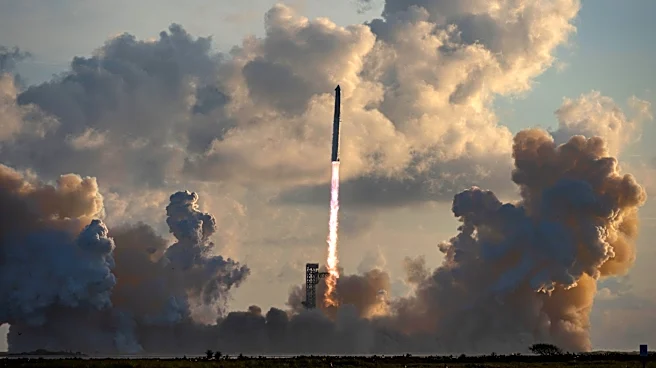
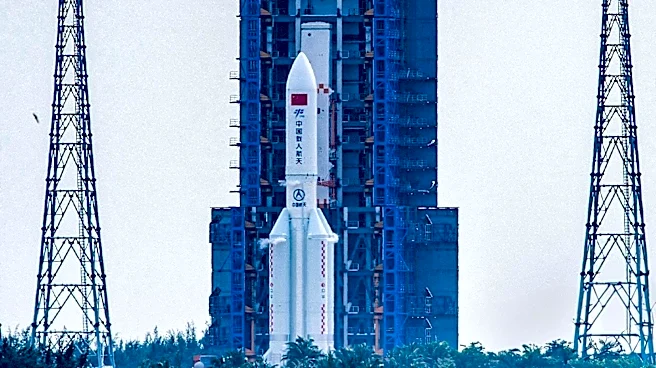
The current astronaut recruitment and lunar base initiatives represent a significant shift in NASA's long-term strategy, moving beyond symbolic missions to establishing a sustained, permanent human presence in space. This approach has profound implications for international cooperation and competition, as other nations also pursue lunar ambitions. The focus on commercial partnerships, such as those with Blue Origin and SpaceX, signifies a growing trend towards privatizing aspects of space exploration, potentially accelerating technological development and reducing costs. Ethically, the establishment of a permanent lunar outpost raises questions about resource utilization, environmental impact, and the governance of celestial bodies. The development of technologies like nuclear-powered rovers also highlights the increasing complexity and sophistication of space missions, pushing the boundaries of engineering and scientific research.