


What's Happening?
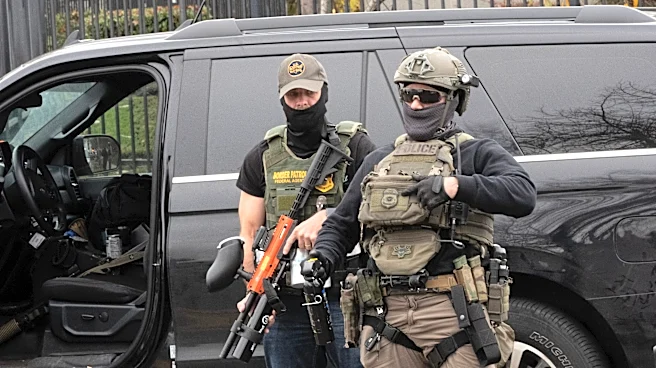
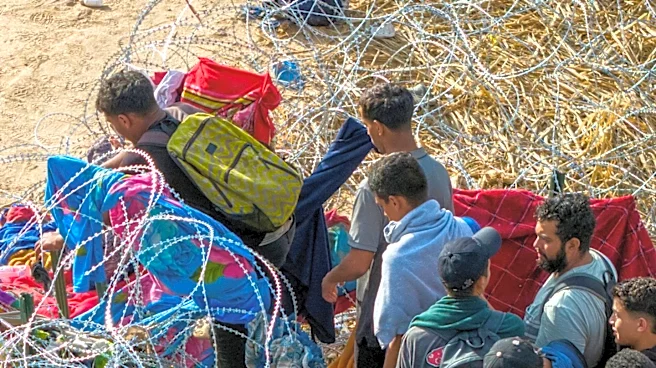
Immigration and Customs Enforcement (ICE) agents have initiated a series of raids across Indianapolis, leading to widespread fear among residents and creating a significant divide among Indiana's political figures. Videos provided by multiple residents show
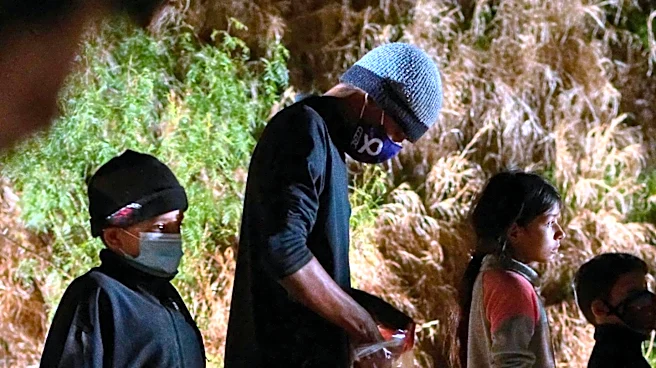
agents detaining individuals suspected of being in the country without legal authorization, with incidents reported near the Carriage House Apartments and a Marathon gas station. Attorney Dallin Likens from Banks and Brower noted an unusual level of confusion and fear among clients, stating that federal policy changes have made it more challenging and costly to secure releases from custody. Indianapolis Mayor Joe Hogsett criticized the lack of communication from federal authorities, calling the operations 'cruelty' and observing that they deter residents from essential activities like attending school, medical appointments, or grocery shopping. Conversely, U.S. Sen. Jim Banks publicly supported the enforcement actions, asserting ICE's 'constitutional responsibility' to deport individuals in the country illegally and warning against Indianapolis becoming like Minneapolis.
Why It's Important?
The ICE raids in Indianapolis highlight a significant tension between federal immigration enforcement and local community concerns, with potential ramifications for the local economy and social cohesion. Democrat Laura Beck articulated a 'culture of fear' that she believes is detrimental to the local economy, as residents, fearing detention, may be reluctant to work, pay rent, or participate in community life. This perspective suggests that aggressive enforcement could inadvertently undermine economic stability by reducing labor force participation and consumer activity. Republican Matt Bell, however, emphasized public safety and the rule of law, arguing that such raids are necessary and pointing to instances where enforcement led to the apprehension of individuals with felony warrants. The differing viewpoints underscore a broader national debate on immigration policy, balancing enforcement with humanitarian and economic considerations. The raids also raise questions about community trust in law enforcement, as U.S. Rep. Andre Carson initiated a congressional inquiry, citing concerns about racial profiling, government overreach, and the erosion of trust, particularly given data suggesting a high percentage of arrests involve individuals without prior criminal convictions.
What's Next?
The political and community reactions to the ICE raids suggest several immediate and long-term developments. U.S. Rep. Andre Carson's formal congressional inquiry will likely seek to determine the scope and probable cause of the arrests, potentially leading to increased scrutiny of ICE's operational procedures and accountability. This inquiry could influence future federal immigration policies or lead to calls for greater transparency and communication between federal and local authorities. The ongoing division among political leaders, with some advocating for cooperation with federal agencies and others condemning the raids, indicates that this issue will remain a contentious topic in Indiana politics. Local officials may face pressure to either support or resist federal enforcement efforts, potentially impacting local ordinances and resource allocation. Furthermore, the 'culture of fear' described by Democrat Laura Beck could lead to organized protests or advocacy efforts from civil society groups, aiming to protect undocumented residents and mitigate the economic and social impacts on the community. The situation may also prompt discussions on the state's workforce needs, as Otis Granberry of the Central Midwest Regional Council of Carpenters highlighted the demand for skilled labor, suggesting that immigration policies could affect the availability of workers for major projects.
Beyond the Headlines
The ICE raids in Indianapolis extend beyond immediate enforcement actions, touching upon deeper ethical, legal, and cultural dimensions within the U.S. The debate over 'public safety' versus 'community trust' is central, as proponents of the raids emphasize the rule of law and the apprehension of individuals with criminal records, while critics argue that such actions alienate immigrant communities and make them less likely to cooperate with law enforcement on other issues. The concern over racial profiling, as raised by U.S. Rep. Andre Carson, highlights potential civil liberties implications and the risk of disproportionate targeting of certain ethnic groups. The economic impact, particularly the 'culture of fear' affecting workers' ability to contribute to the economy, points to the complex interplay between immigration policy and local economic vitality. Moreover, the mention of deporting Haitian immigrants to a country under a State Department travel advisory raises ethical questions about humanitarian considerations in immigration enforcement. This situation reflects a broader national struggle to reconcile immigration laws with the diverse social and economic realities of communities, potentially leading to long-term shifts in how local governments interact with federal immigration agencies and how immigrant populations integrate into American society.