



What's Happening?
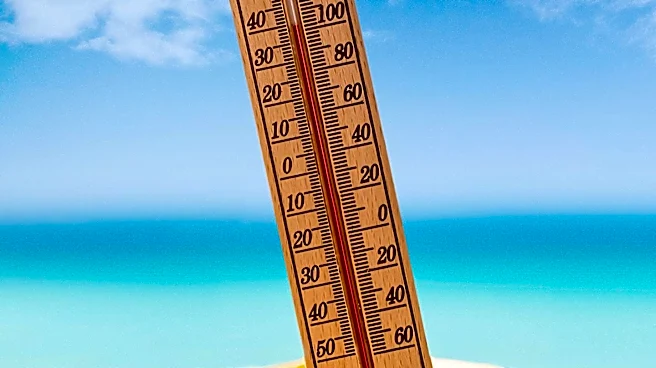
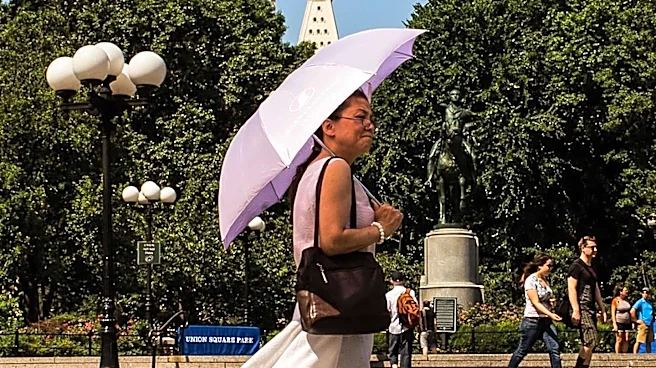
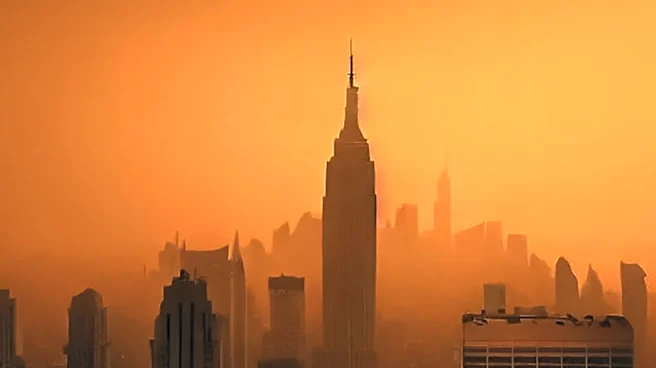
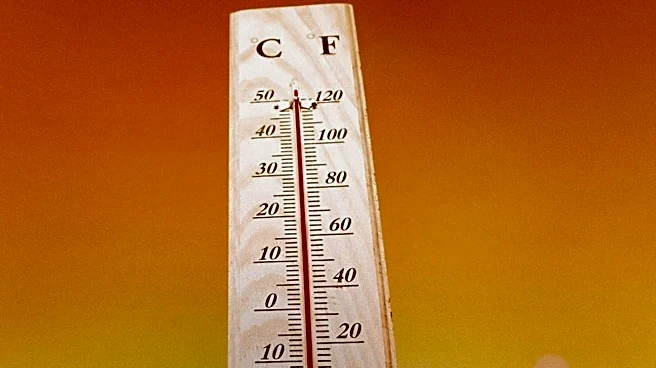
New York City is under an extreme heat warning from July 1 to July 3, with temperatures expected to surpass the 90s and heat indices over 100 degrees. The National Weather Service has issued warnings about hazardous overnight low temperatures, which could
reach record-breaking levels. City officials are urging residents to stay indoors and check on vulnerable neighbors. Nearly 500 New Yorkers die prematurely each year due to higher temperatures, with deaths disproportionately affecting lower-income neighborhoods and communities of color. The heatwave is straining infrastructure, including energy grids and public transit.
Why It's Important?
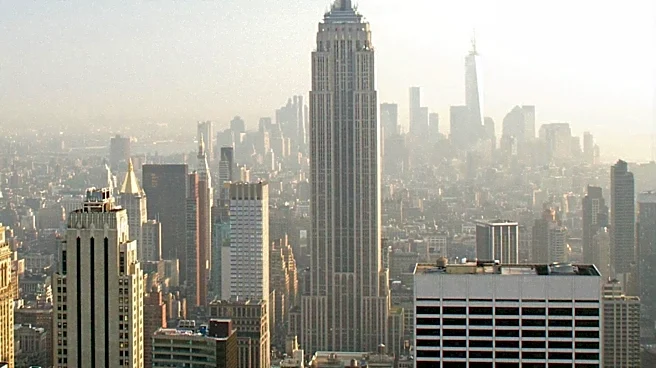
The extreme heat in New York City highlights the growing impact of climate change on urban areas, particularly those with dense populations and limited green spaces. The urban heat island effect exacerbates the situation, making it crucial for city planners to implement strategies to mitigate heat risks. The event underscores the need for comprehensive public health strategies to protect vulnerable populations, including expanding access to cooling centers and ensuring adequate healthcare. The situation also calls for increased awareness and preparedness to address the challenges posed by rising temperatures.
What's Next?
City officials are taking steps to mitigate the impact of the heatwave, including street canvassing to bring unhoused individuals to cooling centers and expanding pool hours. They are also advising residents to develop 'heat plans' and employers to ensure worker safety. The ongoing heatwave may prompt further discussions on long-term strategies to address climate change and its effects on urban environments. Policymakers may need to consider infrastructure improvements and public health initiatives to better prepare for future heat events.