






What's Happening?
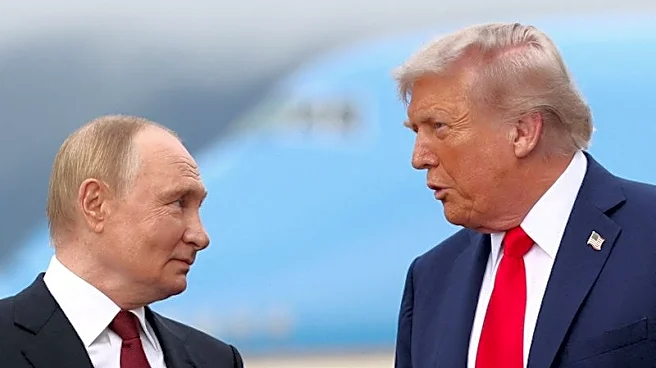
Ukrainian President Volodymyr Zelenskyy is seeking clarification on a proposed short-term ceasefire by Russian President Vladimir Putin, intended to coincide with Russia's Victory Day on May 9. The proposal was discussed in a phone call between Putin and
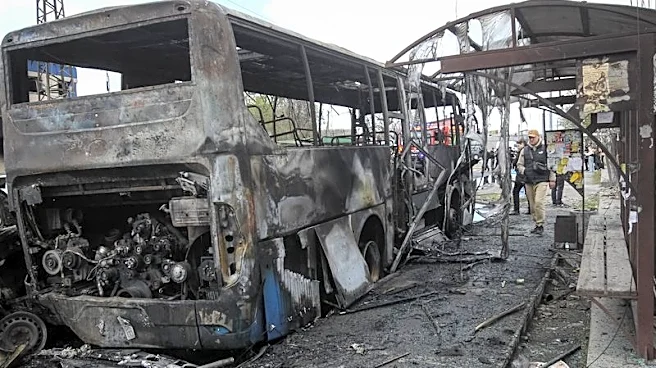
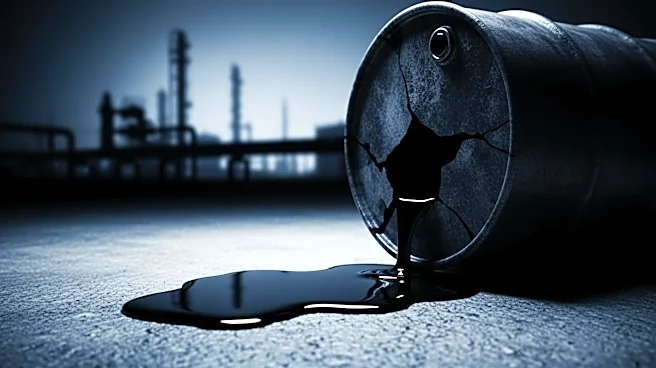
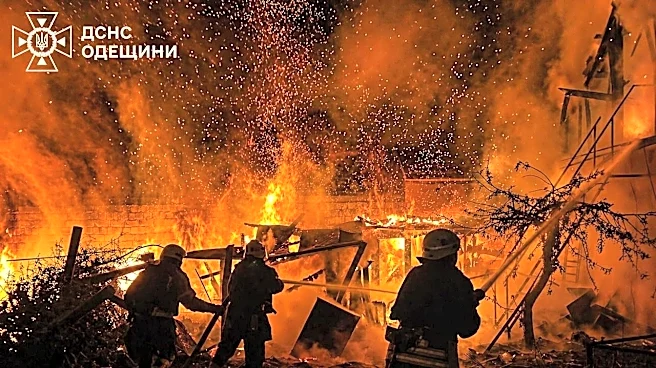
President Trump. Despite the ceasefire talks, Russian forces have continued their attacks on Ukrainian cities, including Odesa and Dnipro, resulting in casualties and damage to civilian infrastructure. Concurrently, Ukraine has launched drone attacks on Russian oil facilities, including a refinery in Perm, as part of its strategy to disrupt Russian energy exports.
Why It's Important?
The proposed ceasefire, if realized, could provide a temporary reprieve in the ongoing conflict, potentially reducing immediate casualties and damage. However, the continuation of hostilities underscores the fragile nature of peace efforts. The ongoing attacks on Russian infrastructure by Ukraine highlight the strategic importance of energy resources in the conflict, potentially affecting global energy markets. The situation also reflects the complex geopolitical dynamics, involving not only Russia and Ukraine but also international stakeholders like the United States.
What's Next?
The next steps involve further diplomatic engagements to clarify the terms of the proposed ceasefire. Ukraine is advocating for a longer-term ceasefire, which could lead to broader negotiations. The international community, particularly the United States, may play a crucial role in mediating these discussions. Meanwhile, the continuation of military actions by both sides suggests that the conflict is far from resolution, with potential implications for regional stability and international relations.