





What's Happening?
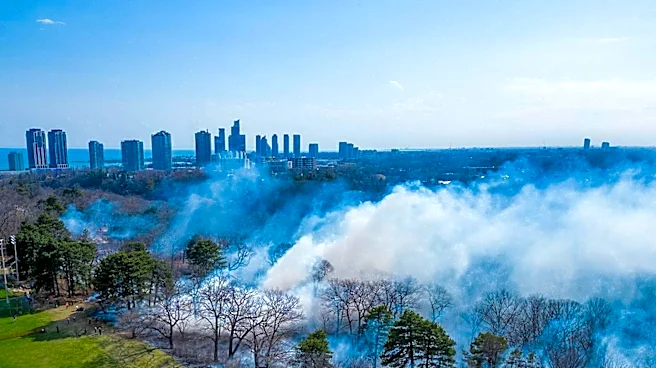
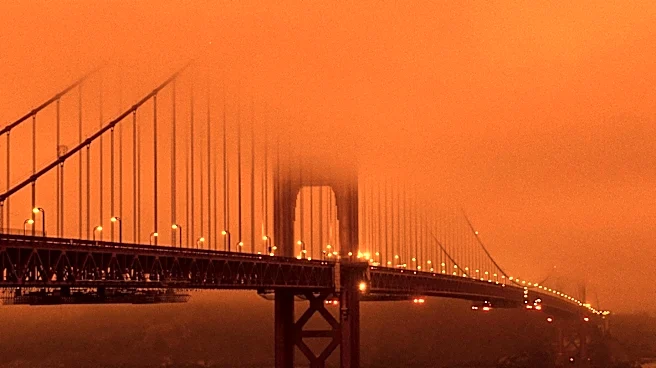
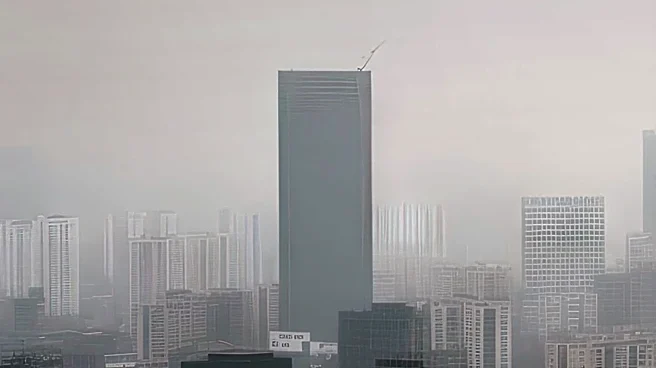
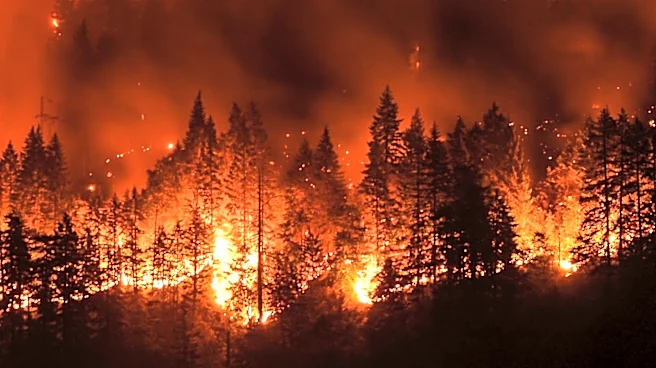
Thick plumes of smoke from Canadian wildfires are affecting air quality in major U.S. cities across the Great Lakes, Northeast, and Mid-Atlantic regions. Over 100 million people are experiencing dangerous air quality levels, with many wearing masks to
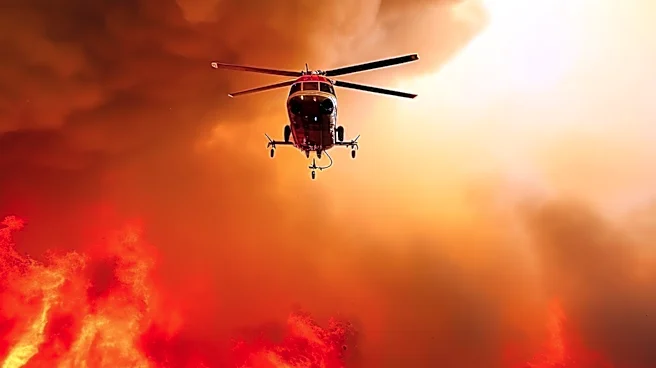
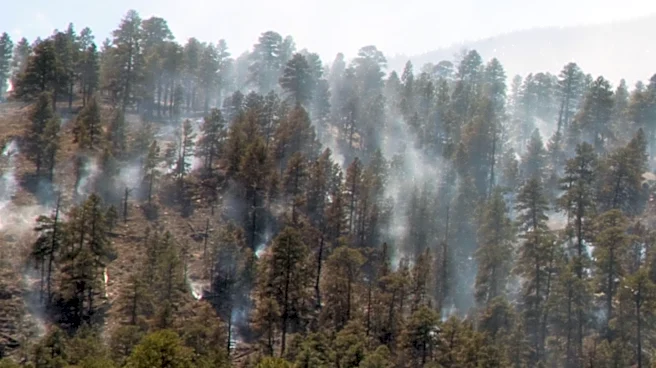
protect themselves. The smoke is expected to persist through at least Saturday as new plumes continue to drift south. The wildfires in Canada have burned over 6 million acres this summer, exacerbated by a heat dome over the central U.S. This has led to widespread air quality alerts and disruptions in daily life.
Why It's Important?
The widespread impact of the smoke highlights the interconnectedness of environmental issues across borders. The poor air quality poses significant health risks, particularly for those with pre-existing conditions, and disrupts economic activities and public events. This situation serves as a stark reminder of the increasing frequency and severity of natural disasters linked to climate change, necessitating urgent policy responses and adaptation strategies.
What's Next?
As the smoke continues to affect air quality, authorities are likely to maintain or extend air quality alerts. Efforts to mitigate the impact on public health and safety will be crucial, including distributing masks and advising residents to limit outdoor activities. The situation may prompt further discussions on climate policy and cross-border cooperation in addressing environmental challenges.