





What's Happening?
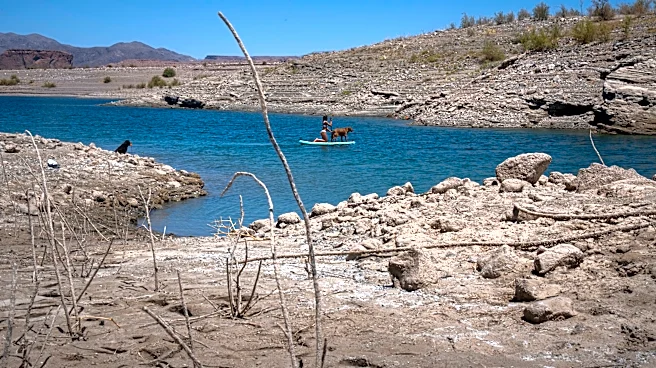
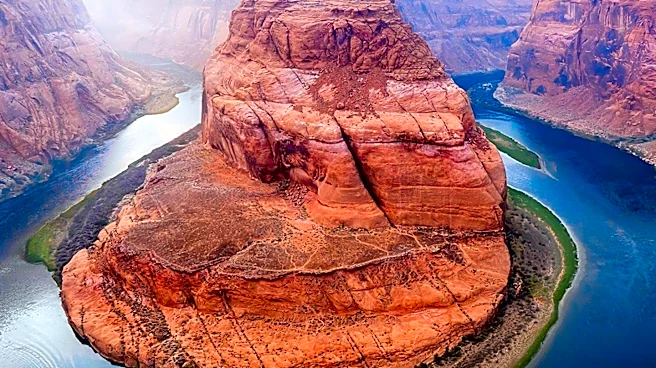
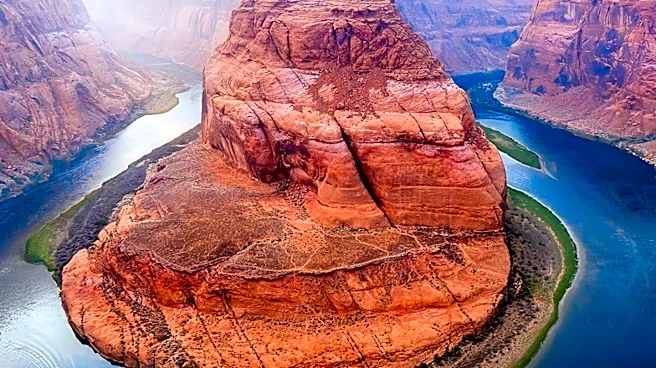
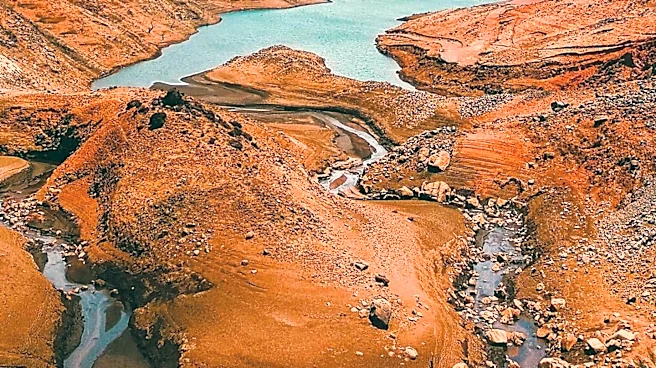
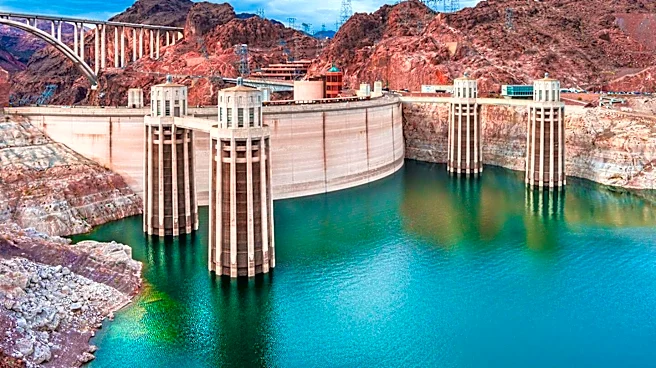
The U.S. Bureau of Reclamation has announced a proposal that requires Arizona, California, and Nevada to reduce their water usage from the Colorado River. This measure aims to address the ongoing crisis affecting the river, which is a crucial water source
for the Western United States. The proposal spares the Upper Basin states from immediate cuts but emphasizes the need for a long-term management plan. The plan includes potential collective cuts of up to 3 million acre-feet through 2036, depending on hydrological conditions, and allows for variable annual releases from Lake Powell.
Why It's Important?
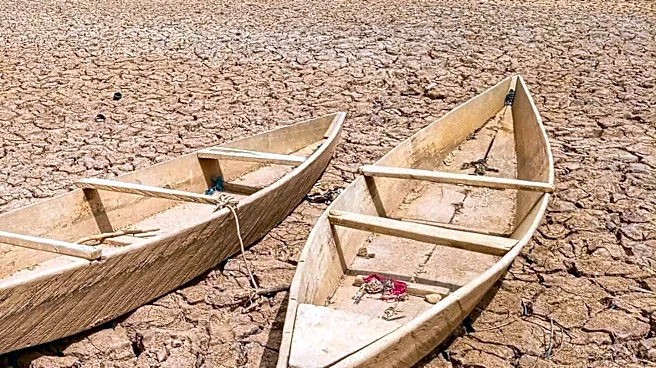
The Colorado River is vital for over 40 million people across seven U.S. states, tribal nations, and Mexico, supporting agriculture, industry, and urban areas. The proposed water cuts reflect the urgent need to address water scarcity exacerbated by overuse, drought, and climate change. This decision could lead to significant economic and social impacts, including increased water prices, changes in agricultural production, and new conservation mandates. The proposal underscores the challenges of balancing water needs with environmental sustainability in the face of dwindling resources.
What's Next?
The federal government is expected to finalize the plan soon, which will likely prompt further negotiations among the affected states to develop a sustainable long-term water management strategy. Stakeholders, including state governments, agricultural sectors, and environmental groups, will need to collaborate to ensure equitable water distribution and address the broader implications of water scarcity. The situation may also lead to increased investment in water conservation technologies and infrastructure improvements to mitigate the impact of reduced water availability.