






What's Happening?
The Department of Transportation is significantly increasing its use of artificial intelligence (AI) to modernize its operations, as stated by Deputy Secretary Steven Bradbury. This initiative has notably reduced software production timelines from 18
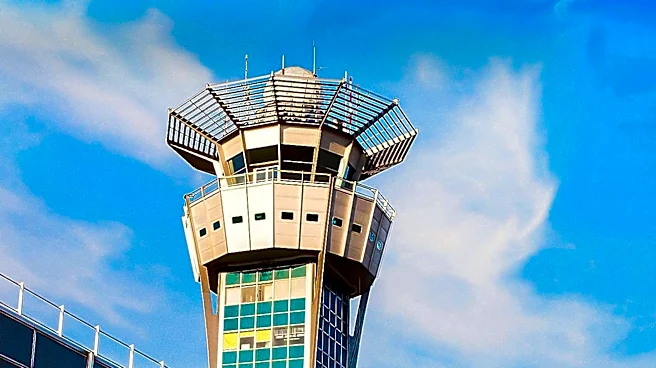
months to 18 weeks. The modernization efforts are part of a broader strategy to update the nation's air traffic control system, a multi-billion dollar project announced by Transportation Secretary Sean Duffy in May 2025. The project includes a modernized flight management system and updated ground radar systems at all U.S. airports. Congress has approved $12.5 billion for this effort, but additional funding is needed to complete it by the end of President Trump's second term.
Why It's Important?
The adoption of AI by the Department of Transportation is crucial for enhancing the efficiency and effectiveness of its operations. By accelerating software development and improving decision-making processes, AI can significantly impact the agency's ability to manage complex systems like air traffic control. This modernization is expected to improve safety and efficiency in air travel, benefiting airlines, passengers, and the broader economy. The initiative also aligns with the Trump administration's goals to upgrade critical infrastructure, potentially setting a precedent for other government agencies to follow.
What's Next?
The Federal Aviation Administration (FAA) is implementing a Strategic Management of Airspace, Routes, and Trajectories (SMART) system to optimize airspace management. The FAA has awarded a 12-year, $875 million contract to Air Space Intelligence for new software and AI capabilities. As the modernization project progresses, the Department of Transportation will likely seek additional funding from Congress to ensure its completion. The success of this initiative could lead to further AI integration in other areas of government operations.