


What's Happening?
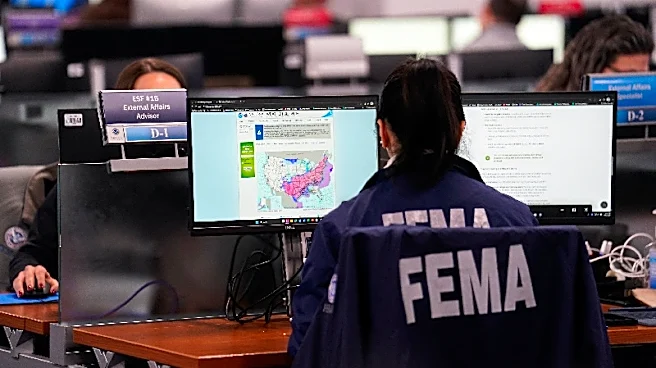
The U.S. Army Corps of Engineers, Buffalo District, is highlighting the importance of preparedness for natural disasters, aligning with National Preparedness Month in September. The district emphasizes that readiness extends beyond physical barriers,
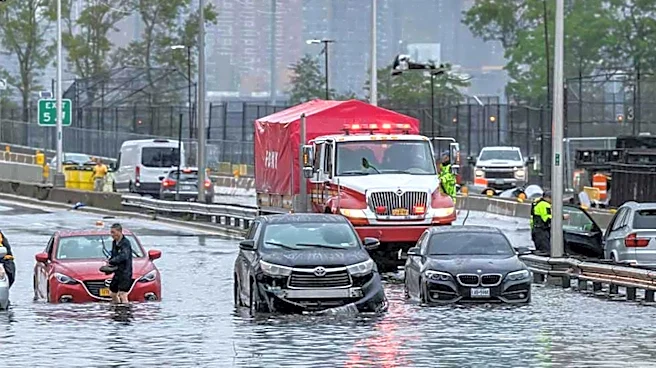
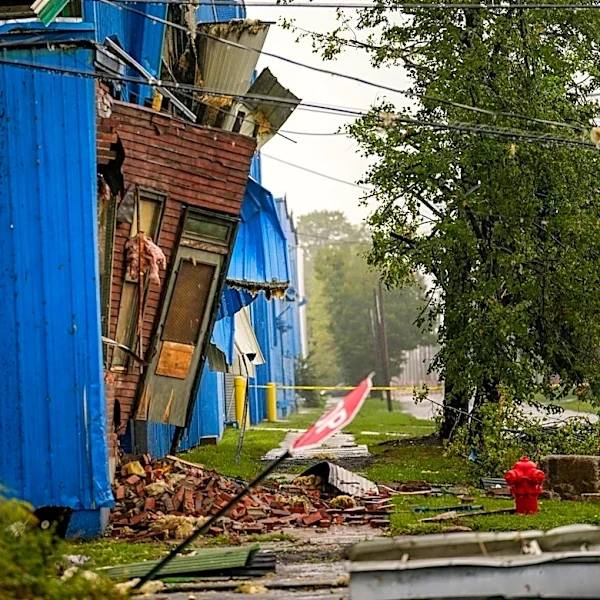
focusing on community involvement, mutual aid plans, coordinated training, and exercise scenarios. This approach aims to address vulnerabilities before emergencies occur. The Buffalo District operates in a region prone to rapidly changing and extreme weather, including flash flooding, lake-effect snowstorms, strong winds, and prolonged power outages. The Corps conducts preparedness activities, trains key staff, and collaborates with stakeholders to ensure a quick and effective response to various hazards. When requested by the Federal Emergency Management Agency (FEMA), the Corps can provide capabilities such as emergency power, infrastructure assessments, debris management, temporary roofing, and housing support.
Why It's Important?
The Buffalo District's focus on preparedness is crucial for mitigating the impact of natural disasters on communities in the lower Great Lakes region and across the nation. By proactively engaging in training, planning, and community coordination, the Army Corps of Engineers enhances its ability to respond effectively when emergencies strike. This preparedness minimizes loss of life, reduces property damage, and accelerates recovery efforts. The emphasis on an 'all-hazards approach' ensures readiness for a wide range of events, from floods to snowstorms, which are becoming increasingly unpredictable. The Corps' role in providing essential services like emergency power and temporary housing is vital for stabilizing affected areas and supporting displaced populations, underscoring the importance of federal agencies in disaster response and resilience.
What's Next?
The Buffalo District will continue its ongoing preparedness activities, including training personnel and coordinating with federal, state, and local partners. National Preparedness Month serves as an annual reminder for individuals, families, and organizations to review and update their emergency plans, assemble emergency kits, and identify ways to receive weather alerts. The Corps will likely continue to advocate for community involvement in preparedness efforts, recognizing that collective action strengthens overall resilience. As weather patterns evolve, the district will need to continuously assess and adapt its strategies to address emerging threats and ensure its personnel are ready to deploy and support disaster response missions effectively. This ongoing commitment to readiness is essential for protecting communities from the impacts of future natural disasters.
Beyond the Headlines
The Buffalo District's preparedness efforts reflect a broader national strategy to enhance resilience against natural disasters, which are increasing in frequency and intensity due to climate change. Beyond the immediate response, the emphasis on community involvement and mutual aid plans highlights a shift towards a more holistic approach to disaster management, recognizing that government agencies alone cannot bear the full burden. This collaborative model fosters self-sufficiency and strengthens social cohesion within communities. Furthermore, the Corps' capabilities, ranging from engineering solutions to infrastructure support, are critical for not only immediate relief but also for long-term recovery and rebuilding efforts, which can take years. The ongoing commitment to preparedness also underscores the economic imperative of investing in resilience, as proactive measures can significantly reduce the financial costs associated with disaster recovery and reconstruction.