





What's Happening?
JBS, the world's largest meat company, is facing a legal challenge in the Netherlands over its $6 billion global expansion plan. Greenpeace has filed a petition demanding that JBS disclose how its expansion aligns with climate, nature, and human rights
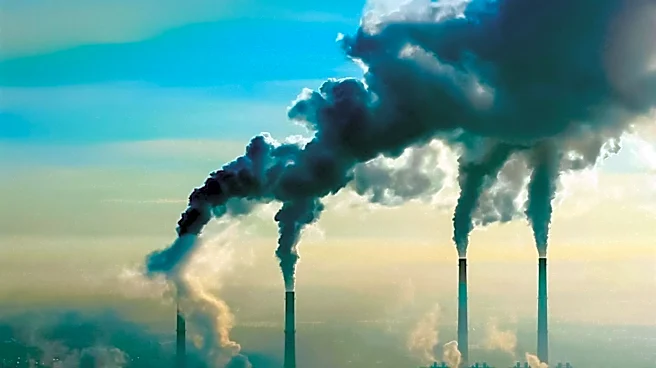
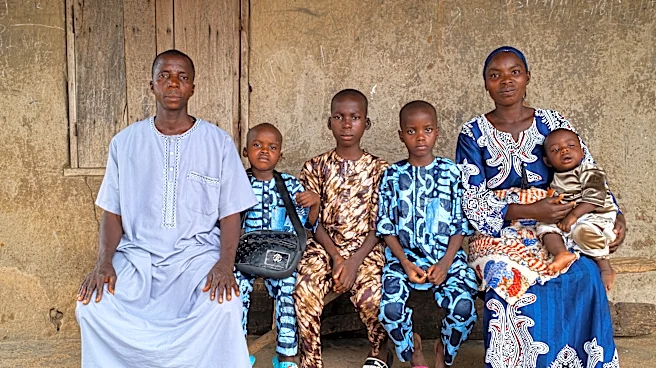
responsibilities. The case, which will be assessed by Dutch courts, seeks to determine if JBS complies with Dutch 'duty of care' laws and its own public commitments. This legal action is part of a broader effort to hold agricultural companies accountable for their environmental impact, similar to previous cases against fossil fuel companies. JBS's expansion plans in Nigeria, which include a $2.5 billion investment in meat-processing plants, have raised concerns about potential environmental and social impacts, including threats to smallholder farmers and increased methane emissions.
Why It's Important?
The legal challenge against JBS is significant as it could set a precedent for holding agricultural companies accountable for their environmental impact. Agriculture is a major contributor to deforestation and methane emissions, both of which are critical issues in the fight against climate change. The outcome of this case could influence how multinational companies approach expansion plans, particularly in developing regions like Africa. It also highlights the growing demand for transparency and accountability in corporate environmental practices. If successful, the case could lead to stricter regulations and more rigorous environmental assessments for future projects, potentially affecting the global meat industry and its supply chains.
What's Next?
The Dutch courts will assess the petition filed by Greenpeace, and a decision could lead to further legal actions against JBS. If the court rules in favor of Greenpeace, JBS may be required to provide detailed information about its environmental impact and adjust its expansion plans accordingly. This could delay or alter JBS's investment strategy in Nigeria and other regions. The case may also prompt other environmental groups to pursue similar legal actions against large agricultural companies, increasing pressure on the industry to adopt more sustainable practices.
Beyond the Headlines
This legal challenge underscores the ethical and environmental responsibilities of multinational corporations operating in developing countries. It raises questions about the balance between economic development and environmental sustainability, particularly in regions with vulnerable ecosystems. The case also highlights the role of civil society and NGOs in advocating for transparency and accountability in corporate practices. As global awareness of climate change grows, companies may face increased scrutiny and legal challenges if they fail to meet environmental standards.