





What's Happening?
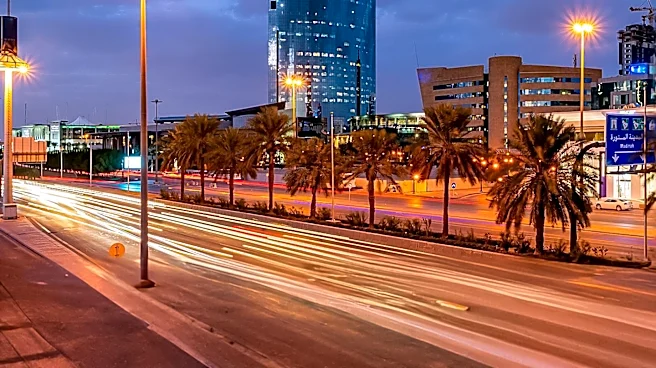
Riyadh is undergoing a significant transformation, adapting its urban planning and tourism strategy to combat extreme daytime temperatures by shifting cultural, gastronomic, heritage, and recreational activities to nighttime hours. This initiative, driven
by the annual Riyadh Season, has turned major districts like Boulevard City, Boulevard World, and Via Riyadh into self-contained nocturnal cities. These areas offer open-air global musical performances, international architectural pavilions, immersive theatrical events, and signature dining concepts, operating from dusk until early morning. The centralized WeBook digital platform manages ticketing and pedestrian access, facilitating seamless reservations for these midnight experiences. This strategic pivot is supported by the automated Riyadh Metro network, which extends its operating hours during major cultural seasons to ensure connectivity to entertainment districts and historical cores. The Ministry of Tourism and the General Entertainment Authority (GEA) are spearheading this mega-scale nocturnal tourism engineering, aiming to establish Riyadh as an international cultural and entertainment capital.
Why It's Important?
This shift in Riyadh's urban and tourism model holds significant importance as it addresses the challenges posed by accelerating climatic extremes, a global issue affecting many vulnerable destinations. By adapting to the thermal realities of the Arabian Peninsula, Riyadh is pioneering a climate-resilient leisure product that protects tourists from high temperatures while activating underutilized urban resources. This approach contributes to the development of a robust night tourism economy, diversifying revenue streams and extending the tourism season beyond the cooler winter months. The success of Riyadh's nocturnal economy provides a template for other climate-vulnerable metropolises worldwide, demonstrating how urban life, culture, and commerce can thrive despite elevated daytime temperatures. It also supports national economic blueprints, such as Saudi Arabia’s Vision 2030, by prioritizing non-oil gross domestic product diversification and establishing leisure tourism as a primary export sector, thereby strengthening regional shoulder-season resilience and creating new economic opportunities.
What's Next?
Riyadh is expected to continue expanding its nocturnal offerings and refining its climate-adaptive urban model. Future developments will likely include further integration of public transit with late-night activities, advanced architectural lighting engineering, and the implementation of passive microclimatic cooling mechanisms in pedestrian areas. Municipal regulatory frameworks will continue to be modernized to accommodate extended business hours, ensuring smooth operations for commercial enterprises, cultural venues, and dining establishments. The city will also focus on establishing formal statistical systems, such as specialized indicators within national Tourism Satellite Accounts, to quantify after-dark commerce. This data will guide public investment in infrastructure like street lighting, mass transit frequency, and civil safety, ensuring resources are directed toward productive urban corridors. The ongoing success of Riyadh's nocturnal economy is anticipated to attract more international visitors and further solidify its position as a leading global cultural and entertainment destination.
Beyond the Headlines
The transformation of Riyadh into a nocturnal city has deeper implications beyond immediate tourism and economic benefits. It represents a paradigm shift in urban planning, demonstrating how environmental adversity can catalyze operational innovation and lead to sustainable urban development. This model challenges traditional notions of urban functionality, proving that cities can adapt their built environments to maintain vibrancy and economic activity long after sunset. Ethically, it highlights a proactive approach to climate change adaptation, prioritizing the well-being of residents and visitors by mitigating exposure to extreme heat. Culturally, it fosters a unique nocturnal identity for the city, potentially influencing social patterns and leisure activities. The emphasis on public transit synchronization, architectural lighting, and microclimatic cooling also showcases a holistic approach to urban resilience, offering valuable lessons for other global cities grappling with similar environmental challenges. This pioneering template for desert urbanism could inspire long-term shifts in how cities worldwide design and manage their public spaces in the face of a changing climate.