







What's Happening?
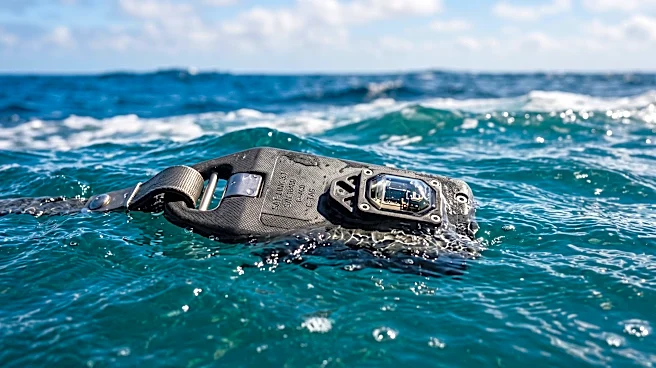
Researchers at the University of Delaware, led by marine scientist Aaron Carlisle, are deploying specialized telemetry tags on pelagic shark species, including shortfin makos, blue sharks, smooth hammerheads, and juvenile great whites, to gather critical
oceanographic data as storms approach the U.S. East Coast. This initiative aims to improve hurricane intensity forecasting, a complex challenge that traditional methods like oceanographic vessels and satellites often struggle with. The tags, originally designed for air-breathing marine mammals, were adapted for sharks by selecting species that naturally frequent the upper water column. When these tagged sharks swim near the surface, their devices transmit continuous streams of data, including water temperature, depth, and electrical conductivity, to orbiting satellites. The primary objective is to capture the thermal energy beneath the ocean's surface, which is a crucial factor in hurricane intensification. Warm water acts as the main fuel for hurricanes, and the sharks' data provides vital thermal profiles in areas often missed by conventional monitoring.
Why It's Important?
Accurate and timely hurricane intensity forecasting has significant economic implications for the United States. The U.S. has experienced hundreds of billion-dollar weather and climate disasters over recent decades, resulting in trillions of dollars in cumulative losses. By pinpointing hurricane intensity more rapidly and precisely, this shark-based research could drastically enhance emergency response efforts and mitigate infrastructure damage. The data collected by the sharks offers a unique insight into the ocean's thermal structure, particularly the mixed layer, which directly influences a hurricane's strength. This innovative approach could lead to better preparedness, allowing communities to take more effective protective measures and potentially saving lives and reducing economic devastation. Beyond forecasting, the telemetry data also provides valuable information on how apex predators behave during severe storms, contributing to broader marine biology research.
What's Next?
Currently, Dr. Carlisle and his team are proceeding with a measured approach, focusing on testing the equipment and refining data transmission with a select group of tagged sharks. The next steps involve scaling up the initiative once the technology and data collection methods are fully validated. This expansion would likely involve tagging more sharks across a wider geographical area to increase the density and coverage of data collection. Further research will also explore the long-term implications of this data for understanding marine ecosystems and the behavior of sharks in response to environmental changes. The success of this pilot phase could lead to the integration of shark-derived data into existing hurricane forecasting models, potentially revolutionizing how the U.S. predicts and prepares for these powerful natural disasters.
Beyond the Headlines
This project highlights an innovative intersection of marine biology and meteorological science, demonstrating how natural systems can provide solutions to complex environmental challenges. The use of sharks as 'bio-sensors' underscores a shift towards leveraging biological insights for scientific advancement, moving beyond purely technological approaches. It also raises ethical considerations regarding the tagging and monitoring of wild animals for scientific purposes, emphasizing the need for careful protocols to ensure animal welfare. Furthermore, the initiative could foster greater public awareness and appreciation for marine life, as sharks, often misunderstood, are now being recognized for their potential contribution to human safety and economic stability. This interdisciplinary approach could pave the way for similar bio-monitoring strategies in other fields, offering sustainable and novel ways to gather environmental data.