







What's Happening?
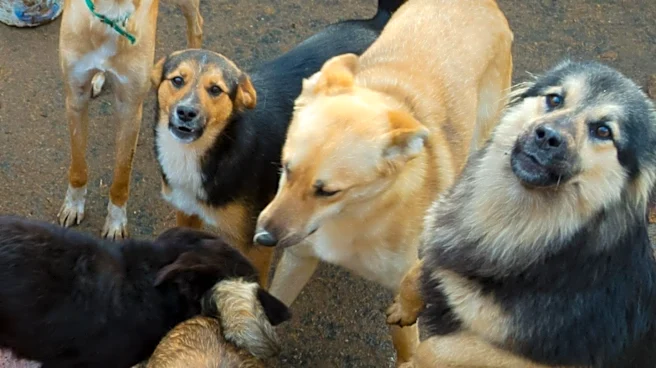
Animal activists in California are alleging that a homeless community located under the Arleta overpass is illegally selling puppies. According to KTTV Fox 11 Los Angeles’ Matthew Seedorff, witnesses and some homeless individuals in the area have reported
that many of these puppies have contracted parvo, a deadly canine virus, or are dying due to poor living conditions. These allegations point to a serious animal welfare issue, where vulnerable animals are being bred and sold in environments that are detrimental to their health and survival. The situation highlights the intersection of homelessness, illegal animal trade, and public health concerns related to animal diseases.
Why It's Important?
This situation is important because it exposes a concerning nexus of animal cruelty, public health risks, and social challenges within a vulnerable community. The alleged illegal sale of puppies, particularly those suffering from deadly diseases like parvo, poses a significant threat to the animals involved and potentially to other pets in the wider community if the disease spreads. Furthermore, it raises questions about the welfare standards in unregulated breeding and selling operations. For the homeless community, these activities might represent a desperate attempt to generate income, but they inadvertently perpetuate a cycle of suffering for the animals and could lead to legal repercussions for those involved. It also underscores the need for more comprehensive support systems that address both human and animal welfare in such contexts.
What's Next?
The immediate next steps would likely involve investigations by animal welfare authorities and local law enforcement to verify the allegations and intervene if illegal activities and animal cruelty are confirmed. This could lead to the seizure of sick animals, provision of veterinary care, and potential charges against individuals involved in unlicensed breeding and sales. Additionally, there might be efforts to address the underlying social issues contributing to these activities within the homeless community, such as offering resources or support. Public awareness campaigns about the dangers of purchasing animals from unregulated sources could also be initiated to curb demand for illegally bred puppies.
Beyond the Headlines
Beyond the immediate concerns of animal welfare and illegal sales, this situation sheds light on the broader issue of unregulated animal breeding and its consequences. It highlights the challenges faced by animal control and welfare organizations in monitoring and enforcing regulations in informal or marginalized communities. The incident also brings to the forefront the ethical considerations surrounding pet acquisition and the importance of responsible breeding practices. It could spark discussions on how to provide better support and resources to homeless individuals who own pets, ensuring both human and animal needs are met in a humane and legal manner, rather than resorting to practices that harm animals.