






What's Happening?
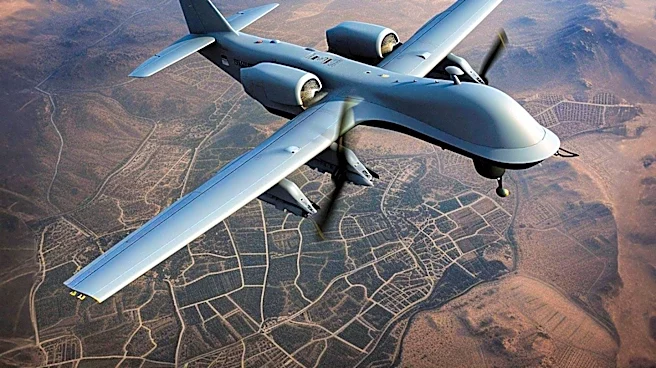
NATO's Supreme Allied Commander Europe, US Air Force Gen. Alexus Grynkewich, has stated that the alliance is preparing for modern warfare environments similar to those in Ukraine, which are heavily saturated with drones and electronic warfare. The conflict
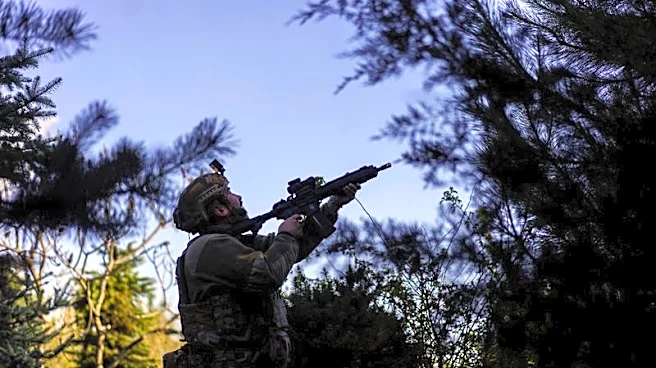
in Ukraine has evolved into a 'kill zone' where drones play a significant role in monitoring and targeting both soldiers and vehicles. Ukrainian forces have adapted by using pump-action shotguns to counter Russian drones and relying on uncrewed tools for logistics and casualty evacuation. NATO is actively learning from Ukraine's experiences, incorporating these lessons into their training and exercises. This includes having Ukrainian forces participate as opposition in NATO drills to enhance the alliance's readiness for future conflicts.
Why It's Important?
The adaptation of NATO forces to drone-infested battlefields is crucial as warfare technology rapidly evolves. The lessons learned from Ukraine's conflict are helping NATO prepare for potential future threats, particularly from Russia. By understanding and integrating Ukraine's tactics and technologies, NATO aims to enhance its operational capabilities and readiness. This preparation is vital for maintaining strategic advantages and ensuring the security of member nations. The shift towards drone warfare also highlights the need for new defense strategies and technologies, impacting military budgets and defense policies across the alliance.
What's Next?
NATO will continue to integrate lessons from Ukraine into its training and operational strategies. Future exercises will likely involve more scenarios that simulate drone-heavy environments, with Ukrainian participation playing a key role. The alliance may also invest in developing and deploying new technologies to counter drone threats. As the conflict in Ukraine progresses, NATO will monitor developments closely, adapting its strategies to address emerging challenges. The ongoing collaboration with Ukraine will be essential in refining NATO's approach to modern warfare.
Beyond the Headlines
The increasing reliance on drones in warfare raises ethical and legal questions about the use of autonomous weapons. The shift towards unmanned systems could lead to changes in international laws governing armed conflict. Additionally, the psychological impact on soldiers operating in drone-saturated environments is a concern, as constant surveillance and the threat of precision strikes can affect morale and mental health. The evolution of warfare technology also necessitates discussions on cybersecurity and the protection of communication networks from electronic warfare tactics.