





What's Happening?
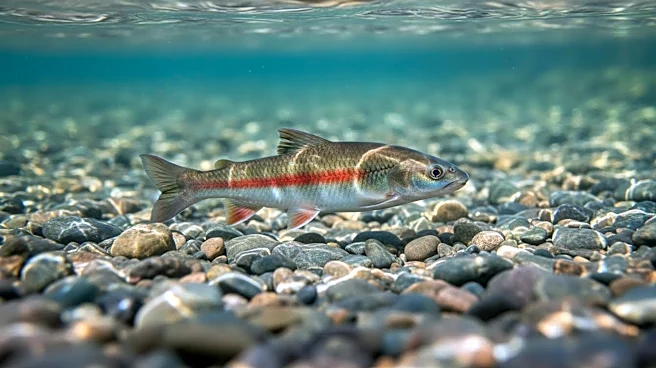
Utah wildlife officials are considering significant changes to fishing regulations, including classifying 14 native fish species as catchable game species. These species, such as Bear Lake sculpin, bluehead sucker, and least chub, would remain protected
from consumption, allowing anglers to target them for catch-and-release. Trina Hedrick, coldwater sportfish coordinator for the Utah Division of Wildlife Resources, stated this aims to provide more angling opportunities. Additionally, the division proposes adding roundtail chub to the catch-and-release list due to habitat stressors from drought. For largemouth bass in Wasatch Front community ponds, the catchable limit may be set to zero to preserve local populations. A new catch-and-kill regulation for walleye at Mantua Reservoir is also proposed to address an illegal introduction impacting the ecosystem. Furthermore, burbot and zander would be added to the state's prohibited species list. The public comment period for these changes is open until September 9, with the Utah Wildlife Board scheduled to vote on September 17.
Why It's Important?
These proposed changes are significant for Utah's angling community and aquatic ecosystems. By reclassifying native fish as catchable game species, the state aims to increase recreational opportunities while maintaining conservation efforts through catch-and-release mandates. This approach reflects a balance between promoting outdoor activities and protecting vulnerable native populations, especially those impacted by environmental challenges like drought. The proposed zero-catch limit for largemouth bass in certain ponds highlights the direct impact of climate conditions on local fish populations and the need for adaptive management strategies. The aggressive stance on illegally introduced species like walleye and the prohibition of predatory fish like burbot and zander underscore the state's commitment to preserving the ecological integrity of its waterways. These regulations could set precedents for how other states manage their fisheries in the face of environmental pressures and increasing recreational demand.
What's Next?
The Utah Division of Wildlife Resources will continue to collect public comments on the proposed fishing changes until September 9. Following this period, regional advisory committee meetings are scheduled between August 25 and September 3 to discuss the proposals further. The Utah Wildlife Board is then expected to convene on September 17 to vote on whether to adopt any of these changes. If approved, most of the new regulations would go into effect for the 2027-2028 fishing period, with the walleye catch-and-kill regulation at Mantua Reservoir potentially taking effect immediately. Anglers and conservation groups will be closely watching these developments, as the decisions will shape future fishing opportunities and conservation efforts across Utah's diverse aquatic environments. The outcome will also indicate the state's priorities in balancing recreational interests with ecological preservation.
Beyond the Headlines
The proposed fishing regulation changes in Utah reflect a broader national and global trend in wildlife management, where conservation efforts are increasingly intertwined with recreational activities and environmental challenges. The reclassification of native fish species for catch-and-release fishing represents an evolving understanding of how human interaction can be managed to support both ecological health and public engagement with nature. This approach acknowledges the educational value of angling in fostering appreciation for biodiversity, even when consumption is prohibited. Furthermore, the focus on illegally introduced species and the impact of drought on fish populations highlight the complex and often interconnected threats to aquatic ecosystems. These policy adjustments are not merely about fish; they are about the long-term health of water resources, the resilience of ecosystems against climate change, and the sustainable management of natural assets for future generations, prompting a deeper look into environmental ethics and resource stewardship.