
What's Happening?
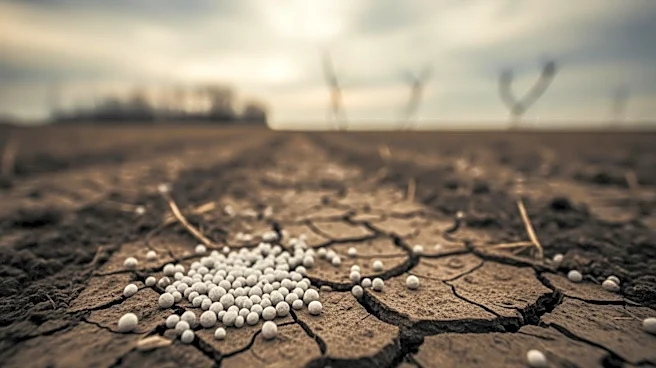
The Food and Agriculture Organization (FAO) has warned that the global fertilizer scarcity caused by disruptions in the Strait of Hormuz will lead to lower agricultural yields and tightening food supplies.
The closure of the strait has affected the transportation of fertilizers, crucial for crop production. FAO Director-General QU Dongyu emphasized the strategic importance of the strait for global trade and the severe consequences of disrupted maritime flows. The crisis coincides with critical planting periods, impacting food security in import-dependent regions.
Why It's Important?
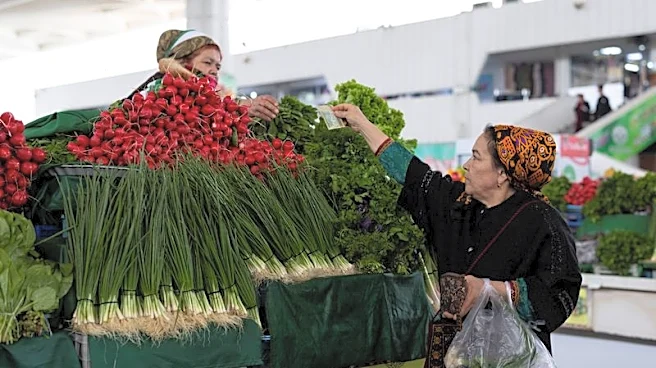
The fertilizer scarcity highlights the vulnerability of global agrifood systems to geopolitical disruptions. The Strait of Hormuz is a vital corridor for the transportation of fertilizers and other agricultural inputs, and its closure poses significant risks to food production and prices. The situation underscores the need for diversified supply chains and sustainable agricultural practices to mitigate risks. Import-dependent countries, particularly those facing food insecurity, are most exposed to the impacts, emphasizing the importance of coordinated international efforts to address the crisis.
What's Next?
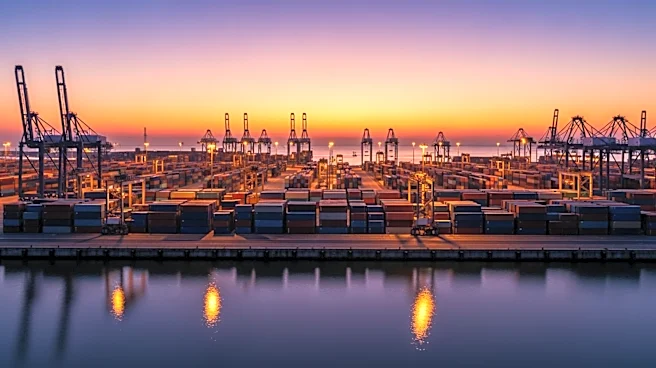
FAO has outlined priority areas for action, including facilitating alternative trade routes, supporting farmers' access to inputs, and strengthening regional cooperation. Long-term solutions involve structural transformation to reduce dependence on concentrated supply routes and fossil fuel-based inputs. Investments in sustainable agriculture and renewable energy are crucial for building resilient agrifood systems. Stakeholders will monitor developments in the Strait of Hormuz and global trade policies to assess future impacts on food security.