








What's Happening?
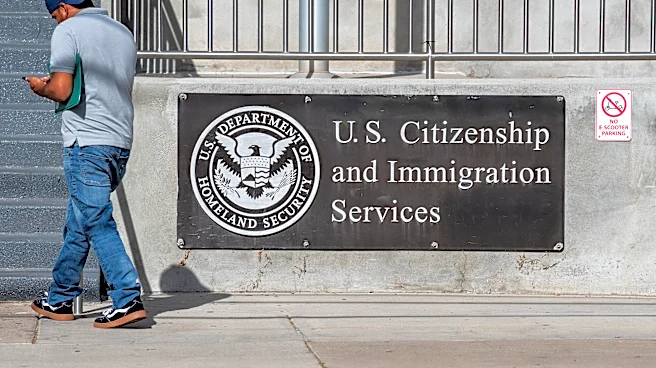
U.S. Citizenship and Immigration Services (USCIS) outlines the process for asylees to obtain a green card one year after their asylum grant. This involves filing Form I-485, the application for adjustment of status. To qualify, an asylee must have been
physically present in the U.S. for at least one year post-asylum grant, continue to meet the definition of a refugee, and not have been firmly resettled in another country. The process includes an eligibility review, filing the application with supporting evidence, biometrics collection, and potentially an interview. USCIS also specifies conditions under which asylum status can be terminated, including fraud in the original application, fundamental changes in the home country's circumstances, firm resettlement elsewhere, or certain criminal or security grounds. Traveling to one's home country after receiving asylum can be seen as evidence that the fear of persecution no longer exists, potentially leading to questions about or termination of asylum status. Asylees are advised to use a refugee travel document for international travel.
Why It's Important?
This information is crucial for individuals granted asylum in the United States, as it clarifies the pathway to permanent residency and the potential pitfalls that could jeopardize their status. Understanding the requirements for a green card ensures that asylees can secure long-term stability and protection in the U.S. The detailed conditions for asylum termination highlight the importance of adhering to immigration laws and avoiding actions that could be interpreted as no longer needing asylum. For instance, returning to the country from which one fled can have severe consequences, potentially leading to loss of asylum and placement in removal proceedings. This guidance helps asylees navigate a complex legal landscape, ensuring they maintain their protected status and progress towards full integration into U.S. society. It also underscores the U.S. government's commitment to providing refuge while maintaining the integrity of its asylum system.
What's Next?
Asylees who have met the one-year physical presence requirement after their asylum grant can proceed with filing Form I-485 to adjust their status to lawful permanent resident. They should gather all necessary documentation, including proof of asylum grant, identity documents, medical examination results, and a complete travel history. It is recommended to file as soon as eligible to avoid potential issues such as changes in law or policy, or problems with travel and employment. USCIS processing times vary, and delays can occur due to background checks or field office backlogs. In cases of unreasonable delays, legal avenues such as a mandamus lawsuit in federal court can be pursued to compel a decision from USCIS. Asylees should also be mindful of ongoing compliance with U.S. immigration laws and avoid any actions that could lead to the termination of their asylum status.
Beyond the Headlines
The detailed regulations surrounding asylum adjustment and termination reflect the broader complexities and sensitivities of U.S. immigration policy. The emphasis on avoiding travel to one's home country post-asylum highlights the legal principle that asylum is granted based on a well-founded fear of persecution, and returning to that country can undermine the basis of the claim. This policy aims to prevent abuse of the asylum system while protecting genuine refugees. Furthermore, the provisions for terminating asylum due to fraud or changed circumstances underscore the government's efforts to maintain the integrity of its immigration processes. These rules also implicitly encourage asylees to fully integrate into U.S. society, as their continued presence and adherence to legal guidelines are essential for maintaining their protected status and eventually achieving permanent residency and citizenship.