





What's Happening?
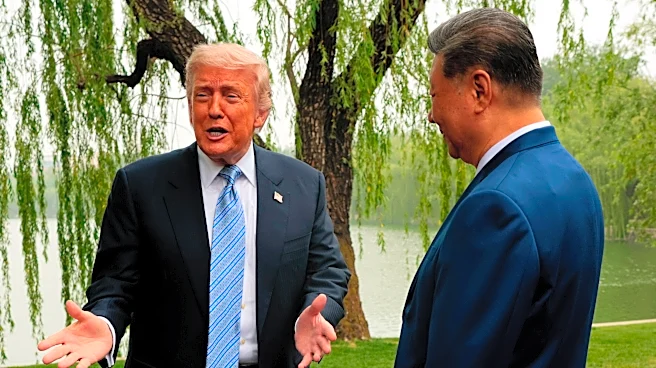
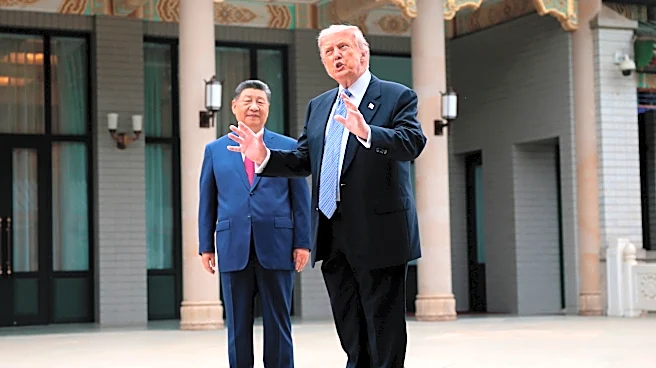
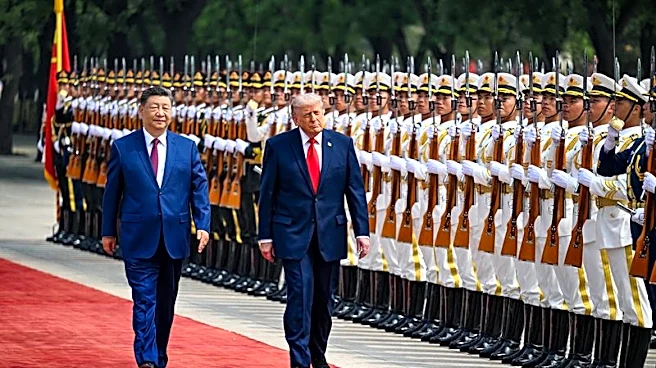
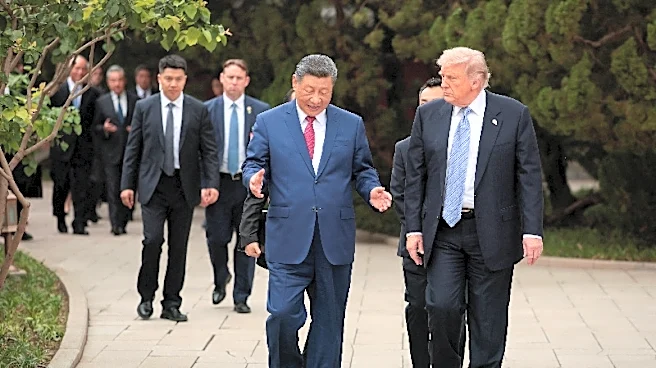
Chinese President Xi Jinping hosted U.S. President Donald Trump in Beijing for a summit aimed at stabilizing the often volatile U.S.-China relationship. During the 43-hour visit, Xi focused on projecting stability and securing diplomatic points without
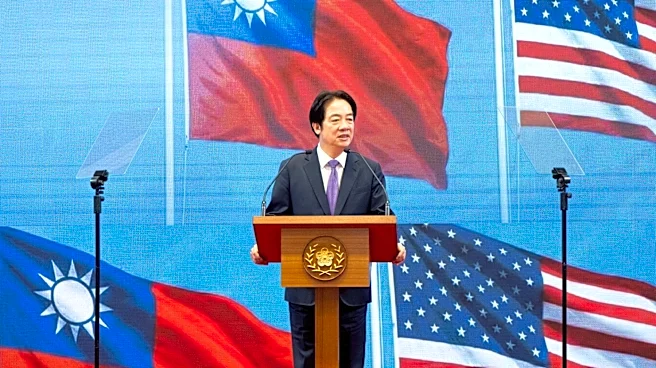
making significant concessions to the U.S. The summit did not result in major breakthroughs or agreements, but it avoided any diplomatic blunders. Xi emphasized the importance of a 'constructive, strategically stable relationship' between the two nations, aiming to pivot from years of trade tensions to a more manageable bilateral engagement. The summit also addressed sensitive issues such as Taiwan, with Xi warning of potential 'clashes and conflicts' if Beijing's red lines are crossed.
Why It's Important?
The summit's significance lies in its potential to reshape U.S.-China relations, which are crucial for global economic and political stability. By avoiding major conflicts and projecting a stable relationship, Xi aims to focus on domestic economic challenges and improve China's business environment. The absence of concrete agreements, however, leaves unresolved issues, particularly in trade, which could impact both economies. For the U.S., maintaining a stable relationship with China is vital for addressing global challenges, including the ongoing conflict in Iran. The summit also highlights China's strategic positioning in global diplomacy, as it seeks to balance its relationships with the U.S. and other major powers like Russia.
What's Next?
Following the summit, Xi is expected to meet with Russian President Vladimir Putin, emphasizing China's role in a multipolar global order. The U.S. will need to navigate its relationship with China carefully, especially regarding sensitive issues like Taiwan and trade. The lack of specific agreements means that future negotiations will be crucial in determining the trajectory of U.S.-China relations. Both nations will likely continue to engage in strategic competition while seeking areas of cooperation. The outcome of these diplomatic efforts will have significant implications for global economic and political dynamics.
Beyond the Headlines
The summit underscores China's growing confidence in its ability to manage its relationship with the U.S. on its own terms. By projecting stability, Xi aims to strengthen China's international standing and leverage its position in global diplomacy. The summit also reflects the broader geopolitical shifts as China and Russia seek to challenge the U.S.-led global order. For the U.S., maintaining alliances and addressing domestic challenges will be critical in responding to these shifts. The summit's outcomes could influence future U.S. foreign policy and its approach to international relations.