


What's Happening?
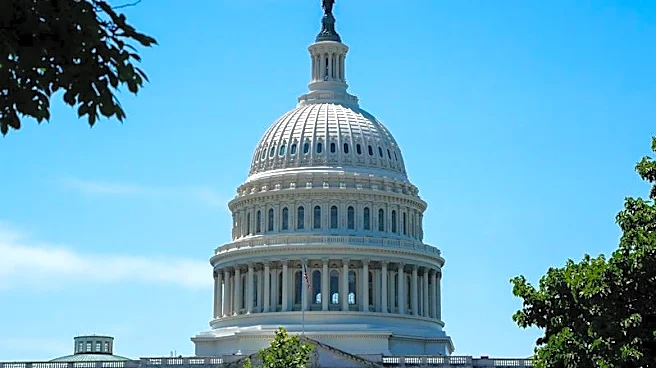
U.S. Senators Jeff Merkley and Ron Wyden, along with U.S. Representative Andrea Salinas and other Oregon House Democrats, including Rep. Suzanne Bonamici, have introduced the 'Grand Ronde Land Transfer Act.' This proposed legislation aims to transfer
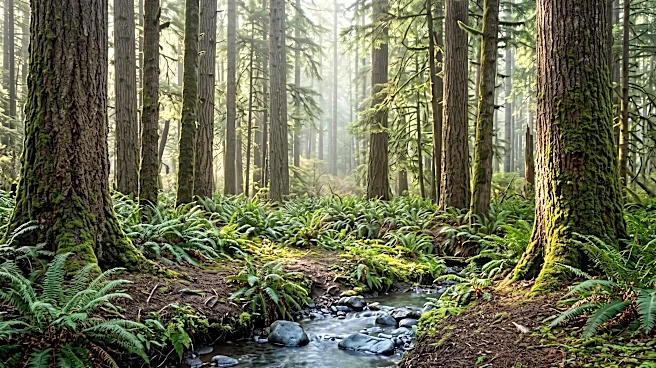
18,626 acres of federal forest land, located in the Siuslaw National Forest on the Tillamook-Yamhill county line, to a trust for the Confederated Tribes of the Grand Ronde. The land, bordering parts of the Grand Ronde community, would be managed by the tribe while maintaining public and recreational access for activities such as hunting and fishing. The bill's proponents, including the lawmakers and Tribal leaders, emphasize that this transfer would support tribal self-determination, enhance forest stewardship, improve wildfire resilience, and boost local economic opportunities. The measure has garnered support from the tribe, some county governments, state forestry officials, and several conservation groups. Tribal Council Chairwoman Cheryle A. Kennedy stated that the transfer would help the tribe rebuild its reservation, community, and economy, and that the forests would be cared for using generational knowledge.
Why It's Important?
The 'Grand Ronde Land Transfer Act' holds significant importance for several reasons. Firstly, it represents a meaningful step towards addressing historical injustices faced by the Confederated Tribes of the Grand Ronde, who were dispossessed of their ancestral lands. Returning this land to tribal trust is a move towards tribal self-determination and sovereignty, allowing the tribe to manage resources according to their cultural practices and long-held knowledge. Secondly, the transfer is expected to enhance forest stewardship and wildfire resilience. Tribal management often incorporates traditional ecological knowledge, which can lead to more sustainable and effective land management practices, benefiting the broader ecosystem and mitigating wildfire risks in the region. Thirdly, the legislation aims to boost local economic opportunities for the Grand Ronde community, contributing to their economic stability and development. The provision for continued public access ensures that the recreational benefits of the land are preserved for all, balancing tribal sovereignty with public interest. This act could serve as a model for similar land transfer initiatives across the U.S., promoting reconciliation and sustainable resource management.
What's Next?
The 'Grand Ronde Land Transfer Act' will now proceed through the legislative process in the U.S. Congress. It will likely be assigned to relevant committees for review, hearings, and potential amendments. Given the bipartisan support from Oregon's congressional delegation and endorsements from various stakeholders, the bill has a strong foundation for consideration. However, the process of transferring federal land can be complex and may involve detailed environmental assessments and public consultations. If the bill successfully passes both the House and the Senate, it would then be sent to the President for signature into law. Should it be enacted, the Confederated Tribes of the Grand Ronde would begin the process of integrating the 18,626 acres into their existing land management framework, focusing on sustainable practices and ensuring continued public access as outlined in the legislation. The implementation would involve collaboration between the tribe, federal agencies, and local communities to ensure a smooth transition and effective stewardship of the land.
Beyond the Headlines
Beyond the immediate transfer of land, this legislation carries deeper implications for federal-tribal relations and environmental conservation. It underscores a growing recognition within the U.S. government of the importance of tribal sovereignty and the value of traditional ecological knowledge in addressing contemporary environmental challenges. The act could foster a precedent where indigenous communities are increasingly empowered to manage ancestral lands, leading to more culturally appropriate and ecologically sound conservation strategies. This approach moves beyond a purely extractive or recreational view of land use, embracing a holistic perspective that integrates cultural heritage, environmental health, and community well-being. Furthermore, the successful implementation of this act could strengthen the economic and social fabric of the Grand Ronde community, providing a pathway for other tribes to reclaim and revitalize their connections to their ancestral territories. It highlights a shift towards restorative justice in land management, acknowledging past wrongs while building a more equitable and sustainable future.