



What's Happening?
President Trump has announced an extension to the deadline for Iran to open the Strait of Hormuz, emphasizing that diplomatic efforts are ongoing. This development comes as tensions between the U.S. and Iran continue to escalate, with Iran resisting President Trump's
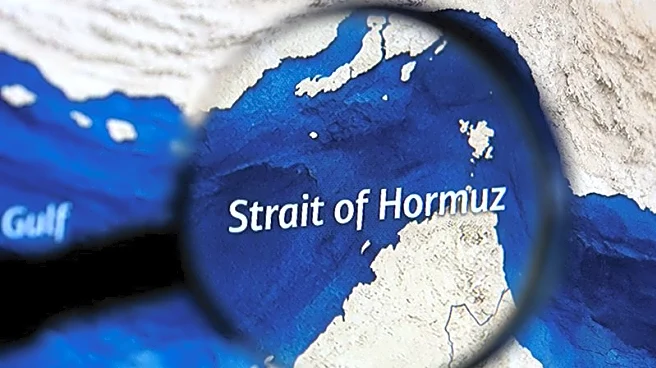
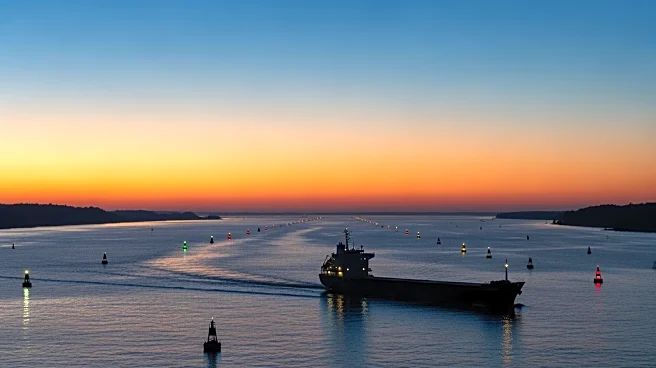
demands. The Strait of Hormuz is a critical waterway for global oil shipments, and its closure could have significant implications for international trade and energy markets. CBS News' Aaron Navarro and Holly Williams report on the situation, highlighting the strategic importance of the strait and the potential consequences of prolonged tensions.
Why It's Important?
The extension of the deadline by President Trump underscores the high stakes involved in the U.S.-Iran relationship, particularly concerning the Strait of Hormuz. This waterway is vital for the transportation of a significant portion of the world's oil supply, and any disruption could lead to increased oil prices and economic instability. The situation also reflects broader geopolitical tensions in the Middle East, with potential impacts on global security and diplomatic relations. Stakeholders in the energy sector, as well as governments worldwide, are closely monitoring the developments, as any escalation could have far-reaching consequences.
What's Next?
The next steps in this diplomatic standoff are uncertain, but continued negotiations and international diplomatic efforts are likely. The U.S. may seek to rally support from allies to pressure Iran into compliance, while Iran may continue to assert its sovereignty over the strait. The international community will be watching closely for any signs of military escalation or breakthroughs in negotiations. The outcome of this situation could set a precedent for future U.S.-Iran relations and influence the geopolitical landscape in the region.