





What's Happening?
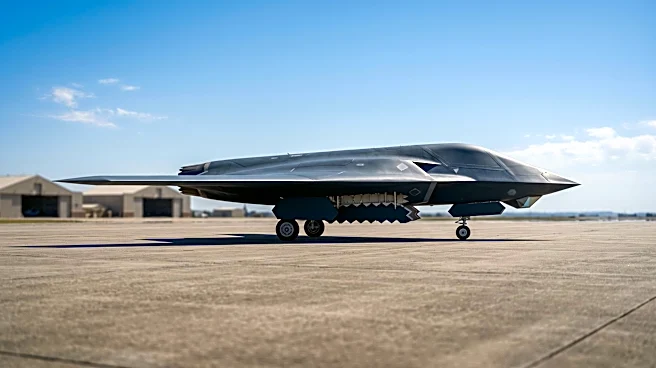
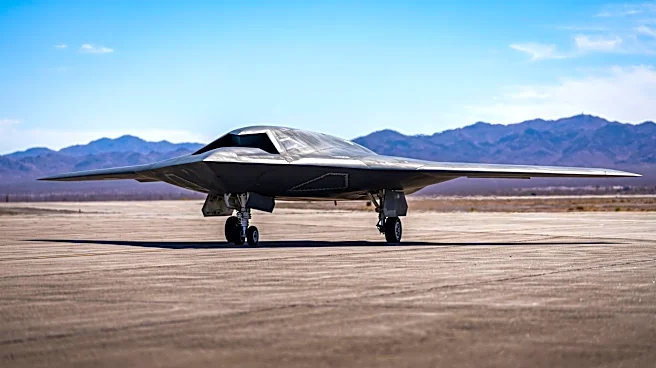
China has released new television footage showcasing its GJ-11 stealth combat drone, revealing previously unseen structural details and operational activities. The broadcast highlighted the drone's internal weapons compartments, landing gear, nose-mounted
sensors, and exhaust arrangement. According to TechRadar, the GJ-11's development stems from the experimental Sharp Sword demonstrator and was publicly displayed at China's military parade in October 2019. The Chinese military states the GJ-11 is designed for airstrikes and Suppression of Enemy Air Defenses (SEAD) missions. Its internal weapons bays, each with serrated-edge doors, are capable of carrying air-to-ground and surface-attack munitions weighing approximately 1,000 to 2,000 pounds. The footage also depicted mission planning involving the GJ-11 alongside J-16 multirole fighters and J-20 fifth-generation stealth aircraft, suggesting an integrated approach to combat operations. The drone's tailless flying-wing design, flattened exhaust outlet, and engine intake placement are all intended to reduce radar and infrared signatures, enhancing its stealth capabilities.
Why It's Important?
The unveiling of detailed footage of the GJ-11 stealth combat drone signifies a notable advancement in China's military technology and its strategic implications for global power dynamics. The drone's stealth features and internal weapons bays indicate a sophisticated capability for precision strikes and operations in contested airspace, potentially challenging existing air defense systems. This development could influence military doctrines and defense spending in the U.S. and its allies, particularly in the Indo-Pacific region, as nations assess the need to counter such advanced uncrewed platforms. The integration of the GJ-11 with crewed aircraft like the J-16 and J-20 suggests a future where human-machine teaming plays a more prominent role in aerial combat, potentially altering the nature of air warfare. The U.S. will likely monitor these advancements closely, as they could impact regional stability and the balance of military power, necessitating adjustments in defense strategies and technological investments.
What's Next?
Further analysis of the GJ-11's capabilities and its integration into China's broader military strategy is expected. While the footage did not detail how targeting information is shared between the GJ-11 and crewed aircraft or its autonomous capabilities, these aspects will be critical areas of interest for military analysts and intelligence agencies. The continued testing and potential deployment of such advanced drones could prompt other nations to accelerate their own drone development programs or invest in countermeasures. The U.S. and its allies may increase efforts to understand and potentially counter the GJ-11's stealth and operational characteristics. This development could also fuel discussions on arms control and the regulation of autonomous weapons systems in international forums, as the proliferation of advanced military drones raises new questions about future conflicts and ethical considerations in warfare.
Beyond the Headlines
The emergence of advanced stealth drones like the GJ-11 highlights a broader trend in military technology towards uncrewed systems that can operate with reduced risk to human pilots while delivering precision strike capabilities. This shift raises ethical and legal questions regarding the autonomy of such systems in decision-making during combat. The ability of the GJ-11 to conduct SEAD missions and airstrikes with stealth features could redefine the concept of air superiority and the effectiveness of traditional air defense networks. Furthermore, the public display of such technology by China serves as a strategic communication tool, projecting its growing military prowess and technological independence on the global stage. This could lead to a renewed focus on technological competition among major powers, potentially accelerating an arms race in advanced military robotics and artificial intelligence, with long-term implications for international security and stability.