


What's Happening?
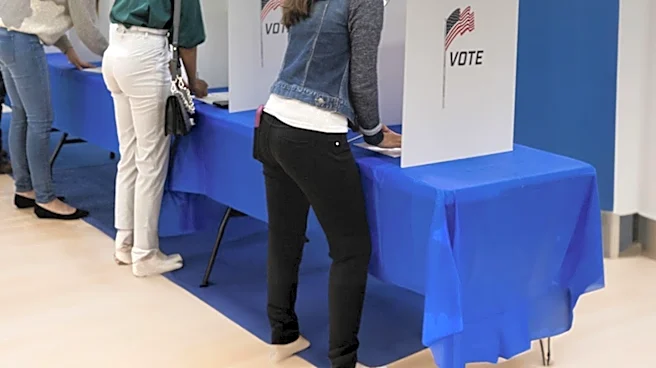
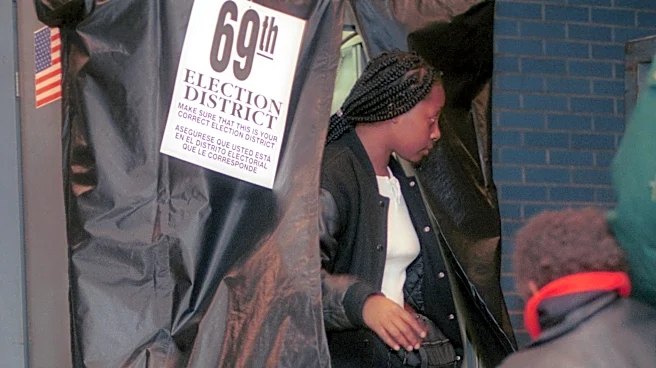
Morris Kopf, a 16-year-old sophomore at Redding School of the Arts, served as a poll worker at the Red Lion Hotel in Redding during the November 3, 2026, midterm election in Shasta County. Kopf was motivated by both the $100 stipend and a desire to understand
the election system. He is part of a student poll worker program that allows high school students aged 16 and older with a GPA of 2.5 or higher to participate after completing training. His role involved checking voter mail-in ballots, determining provisional ballot eligibility, and directing voters to precinct inspectors for questions. Kopf's mother, Evangeline Kopf, also served as a first-time poll worker alongside him, motivated by the need for bilingual speakers.
Why It's Important?
The participation of young individuals like Morris Kopf as poll workers is vital for the health and future of democratic processes in the U.S. It addresses the common issue of an aging poll worker demographic and brings fresh perspectives and energy to election administration. This initiative not only educates young citizens about the practicalities of elections but also fosters civic engagement from an early age. By understanding the process firsthand, Kopf and other student poll workers can become more informed voters and advocates for electoral integrity. Their involvement helps ensure that polling places are adequately staffed and that elections run smoothly, contributing to public confidence in the electoral system.
What's Next?
Morris Kopf expressed his intention to serve as a poll worker again, indicating a potential for continued youth involvement in future elections. The student poll worker program, which allows high school students to participate, is likely to continue and potentially expand, encouraging more young people to engage in civic duties. The experience gained by students like Kopf can inspire their peers to get involved, creating a new generation of informed and active citizens. Election officials may also use feedback from young poll workers to improve training programs and streamline election day operations, making the process more accessible and efficient for all participants.
Beyond the Headlines
The story of Morris Kopf highlights a deeper societal need to bridge the gap between youth and civic responsibility. In an era where political engagement among young people is often perceived as low, programs that offer hands-on experience in democratic processes are invaluable. Kopf's motivation, combining financial incentive with a genuine interest in learning, reflects a pragmatic approach to civic duty that resonates with many young people. His experience also underscores the importance of family influence in fostering civic values, as his mother's participation further encouraged his involvement. This kind of direct engagement can demystify the electoral process, making it less abstract and more tangible for future voters, thereby strengthening the foundations of democracy.