



What's Happening?
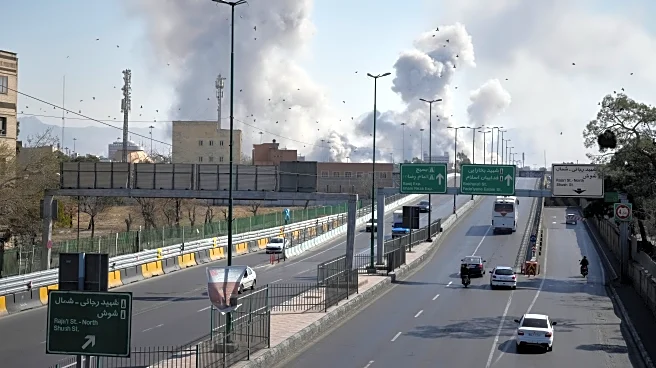
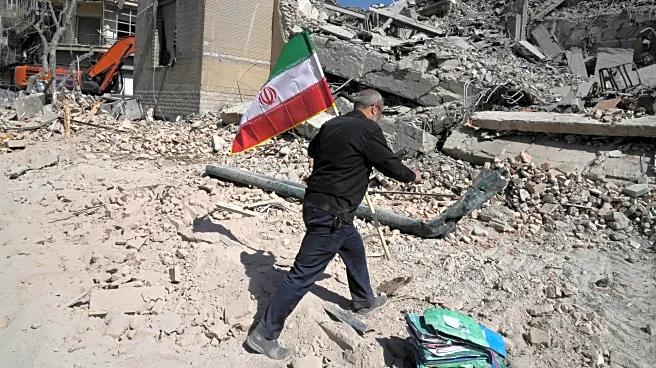
Saudi Arabia has issued a warning to Iran, stating that continued attacks on its territory and energy sector could lead to retaliatory actions. This development comes amid a series of drone and missile attacks from Iran targeting Gulf states, including
Saudi Arabia. The Saudi Foreign Minister, Prince Faisal bin Farhan, communicated Riyadh's position to his Iranian counterpart, emphasizing the kingdom's preference for a diplomatic resolution but also its readiness to respond if necessary. The situation has escalated following the collapse of talks on Iran's nuclear program and subsequent military actions by the U.S. and Israel against Iran.
Why It's Important?
The tensions between Saudi Arabia and Iran have significant implications for regional stability and global energy markets. Saudi Arabia is a major oil producer, and any disruption to its energy infrastructure could impact global oil prices and supply. The conflict also affects diplomatic relations in the Middle East, with potential repercussions for international alliances and security arrangements. The involvement of the U.S. and Israel further complicates the situation, as their military actions could lead to broader regional conflicts. The outcome of these tensions could influence geopolitical dynamics and economic conditions worldwide.
What's Next?
Saudi Arabia has expressed openness to mediation efforts aimed at de-escalating the conflict. However, if Iranian attacks persist, Riyadh may allow U.S. forces to use its bases for military operations against Iran. The international community, including major powers and regional actors, may seek to intervene diplomatically to prevent further escalation. The situation remains fluid, with potential for both diplomatic resolutions and military confrontations. Observers will be closely monitoring developments to assess the impact on regional stability and global markets.