


What's Happening?
The U.S. military is reassessing its airlift and tanker capabilities in response to evolving threats in modern warfare. Historically, these aircraft have been crucial for rapid force deployment and humanitarian missions, operating from secure bases with
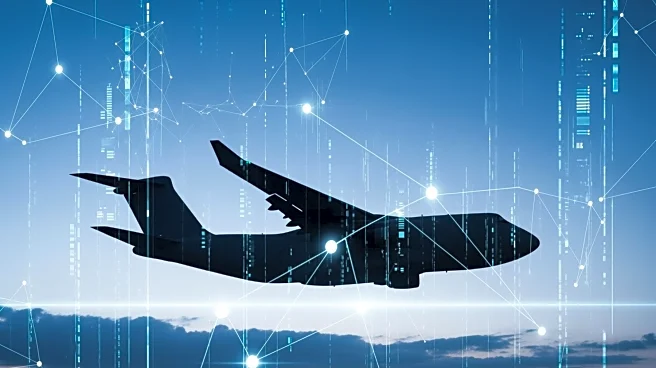
predictable routes. However, adversaries have developed advanced capabilities, such as long-range missiles and electronic warfare, challenging the traditional operational model. As a result, air mobility is increasingly seen as a contested capability requiring resilience and integration into the Department of Air Force Battle Network. SNC's Mobility and HVAA Connectivity and Survivability Solutions offer a modular, open architecture system that allows rapid integration of new sensors and communications, transforming airlift and tanker aircraft into multi-role platforms. This approach enhances situational awareness, survivability, and command and control, while extending the operational relevance of existing fleets.
Why It's Important?
The shift in air mobility strategy is significant for U.S. military operations, as it addresses vulnerabilities in contested environments. By transforming airlift and tanker aircraft into network nodes, the military can enhance its operational flexibility and resilience. This approach allows for incremental upgrades to legacy fleets, avoiding costly replacements and structural overhauls. The ability to rapidly adapt mission systems ensures that these aircraft remain relevant and effective in various roles, from humanitarian aid to intelligence missions. This strategic evolution is crucial for maintaining U.S. military superiority and ensuring the rapid deployment of forces and supplies in high-stakes conflicts.
What's Next?
Future developments may focus on further integrating airlift and tanker aircraft into the broader military network, enhancing their roles in intelligence and surveillance. The military may continue to explore modular systems that allow for quick adaptation to changing operational needs. As adversaries continue to advance their capabilities, the U.S. military will likely prioritize investments in technologies that enhance the survivability and versatility of its air mobility assets. Stakeholders, including defense contractors and military planners, will play a key role in driving these innovations and ensuring that air mobility remains a critical component of U.S. defense strategy.
Beyond the Headlines
The reimagining of air mobility has broader implications for military strategy and defense policy. It highlights the need for adaptable and resilient systems in the face of evolving threats. This approach may influence future procurement and development strategies, emphasizing modularity and open architecture principles. Additionally, the integration of airlift and tanker aircraft into the networked warfare model reflects a shift towards more interconnected and data-driven military operations. This evolution may also impact international defense collaborations, as allies seek to enhance their own air mobility capabilities in line with U.S. advancements.