





What's Happening?
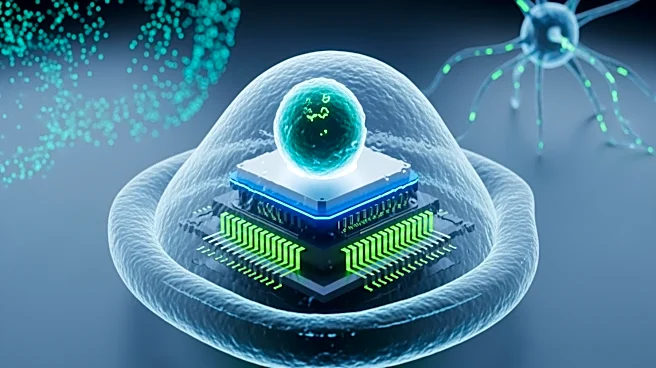
Researchers at the Massachusetts Institute of Technology (MIT) have developed an implantable device that could potentially control type 1 diabetes without the need for insulin injections. This device contains insulin-producing cells encapsulated to protect
them from immune rejection and includes an on-board oxygen generator to maintain cell health. In recent studies, the device demonstrated the ability to function for at least 90 days in mice, producing sufficient insulin to regulate blood sugar levels. The encapsulated pancreatic islet cells, derived from induced pluripotent stem cells, showed promise in maintaining blood sugar control, although they did not fully reverse diabetes. The research team, led by Professor Daniel Anderson, aims to provide a long-term solution for diabetes management without the need for immune suppression.
Why It's Important?
This development is significant as it offers a potential alternative to the daily insulin injections required by many diabetes patients. The implantable device could improve the quality of life for individuals with type 1 diabetes by providing a more consistent and less invasive method of blood sugar regulation. The use of encapsulated cells that do not require immune suppression could reduce the risk of complications associated with current islet cell transplantation methods. Additionally, the ability to use stem cell-derived islet cells could address the shortage of donor cells, making the treatment more accessible. This innovation represents a step forward in diabetes treatment, potentially reducing the burden on healthcare systems and improving patient outcomes.
What's Next?
The researchers plan to extend the lifespan of the device to function for up to two years or longer. They are also exploring the possibility of using this technology to deliver other therapeutic proteins, such as antibodies or enzymes, directly within the body. Further studies will focus on optimizing the device's performance and ensuring its long-term viability in human patients. The team is also investigating the potential for the device to produce insulin more effectively by allowing the cells more time to mature. If successful, this approach could revolutionize the treatment of diabetes and other conditions requiring protein therapies.