






What's Happening?
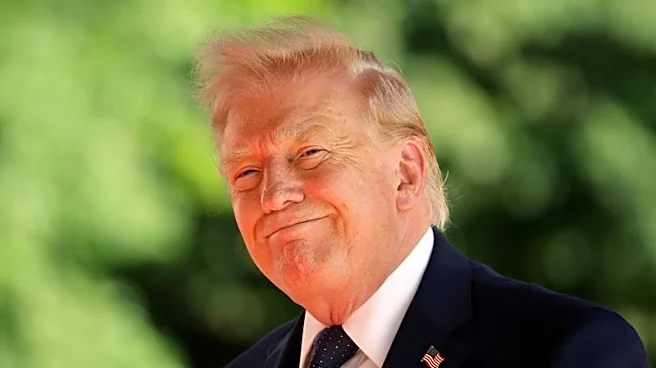
Rep. Ro Khanna, a Democrat from California, has expressed support for President Trump's newly announced agreement with Iran, which aims to formally end the conflict between the U.S. and Tehran. The deal includes commitments related to Iran's future economic
development and reconstruction. Khanna, while backing the diplomatic approach, raised concerns about the economic implications of the agreement, particularly the provision that could require raising approximately $300 billion for Iran's development. He questioned why similar economic efforts are not being directed towards struggling American communities, such as those in the industrial Midwest, which have faced factory closures and job losses. Khanna's comments highlight a broader debate in Washington regarding the balance between foreign policy priorities and domestic economic concerns.
Why It's Important?
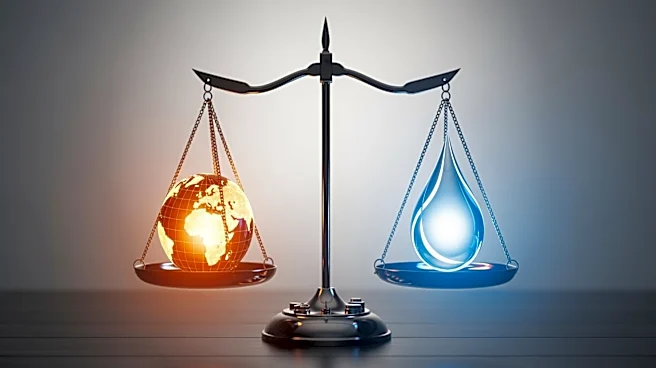
The support and critique from Rep. Khanna underscore a significant tension in U.S. policy-making: the allocation of resources between international commitments and domestic needs. The Iran deal, while potentially stabilizing a volatile region, raises questions about the U.S.'s economic priorities, especially in light of ongoing challenges in American manufacturing regions. This debate is crucial as it reflects broader concerns about economic inequality and the need for investment in domestic infrastructure and job creation. The outcome of this policy decision could influence future U.S. foreign and domestic policy strategies, impacting both international relations and local economies.
What's Next?
As the Iran deal progresses, it is likely to face scrutiny from both supporters and critics in Congress. Lawmakers will need to address the concerns raised by Khanna and others about the economic focus of the agreement. The debate may lead to discussions on how to better balance foreign aid with domestic investment, particularly in regions that have been economically disadvantaged. The administration's handling of these concerns could affect political dynamics, especially in the lead-up to future elections, where economic issues often play a pivotal role.