






What's Happening?
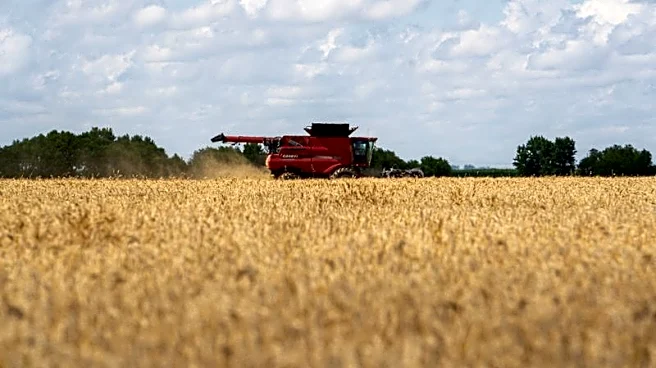
The U.S. House of Representatives has passed the Farm, Food, and National Security Act of 2026 with a vote of 224-200. This legislation marks a significant update for the agricultural sector, which has been operating without new federal farm policies
for eight years. The bill, crafted with input from over 150 listening sessions held by the House Agriculture Committee, reflects a broad range of agricultural needs. It received bipartisan support, including votes from 14 Democrats and a historic level of Republican backing. Key amendments were made to the bill, such as removing a provision that would have protected pesticide manufacturers from state-level lawsuits and another that would have allowed year-round E15 sales. The bill includes updates to crop insurance, disaster assistance, and rural infrastructure investments, among other areas.
Why It's Important?
The passage of the Farm Bill is crucial for the U.S. agricultural industry, providing much-needed policy updates and financial support mechanisms. It addresses critical areas such as crop insurance, disaster assistance, and rural broadband, which are vital for the sustainability and growth of rural communities. The bill's bipartisan support underscores its importance in ensuring food security, which is directly linked to national security. The American Farm Bureau Federation has expressed strong support, highlighting the bill's role in helping farmers navigate current challenges and prepare for future opportunities. The legislation's focus on rural energy and infrastructure also aligns with broader national goals of enhancing rural development and connectivity.
What's Next?
The Farm Bill now moves to the Senate for consideration. The outcome in the Senate will determine the final shape of the legislation and its implementation. Stakeholders, including farmers and agricultural organizations, are urging the Senate to act swiftly to ensure the bill's provisions are enacted. The Senate's decision will impact the agricultural sector's ability to plan and invest in long-term projects. Additionally, the separate vote on year-round E15 sales, which was removed from the current bill, will be closely watched as it could influence biofuel markets and environmental policies.