


What's Happening?
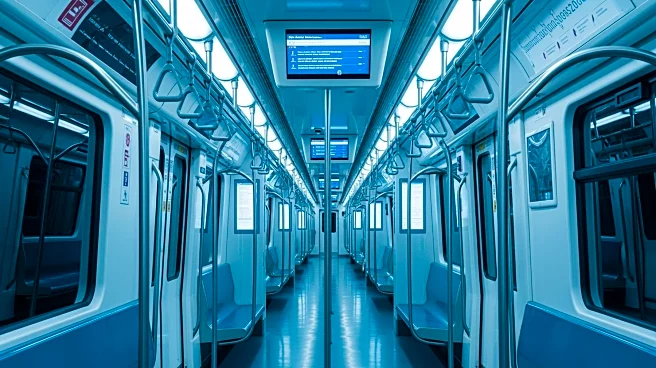
The Bay Area Rapid Transit (BART) system has introduced significant technology upgrades in anticipation of Super Bowl LX, which will be held at Levi's Stadium in Santa Clara, California. These upgrades include a new 'Tap and Ride' fare payment system that
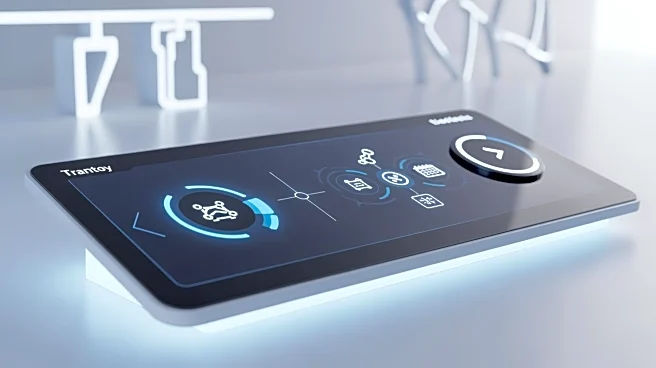
allows riders to use contactless credit cards or mobile wallets at fare gates. Additionally, five heavily trafficked BART stations now offer free Wi-Fi, a feature that will be expanded to other stations in the coming months. The upgrades are part of BART's broader initiative to improve rider convenience and address first- and last-mile travel gaps through a partnership with Uber. This initiative allows riders to plan and book short Uber trips from the BART app. The introduction of Next Generation Fare Gates is also part of the improvements, aimed at reducing unwanted behavior within the system.
Why It's Important?
These technological enhancements are crucial for improving the overall efficiency and user experience of the BART system, especially during high-traffic events like the Super Bowl. By modernizing its payment and connectivity options, BART is likely to attract more riders, thereby increasing its ridership and revenue. The introduction of free Wi-Fi and contactless payment options aligns with broader trends in public transportation towards digital integration and convenience. This move not only benefits daily commuters but also enhances the experience for tourists and visitors, potentially boosting local tourism and economic activity. Furthermore, the partnership with Uber to address first- and last-mile connectivity issues could serve as a model for other transit systems looking to integrate ride-sharing services.
What's Next?
BART plans to continue rolling out Wi-Fi to additional stations, with the next phase expected to be completed by June. The full implementation across all stations is anticipated by early 2028. As these upgrades are deployed, BART will likely monitor their impact on ridership and system efficiency. The success of these initiatives could lead to further technological investments and partnerships aimed at enhancing public transit in the Bay Area. Additionally, the response from riders and stakeholders will be crucial in determining the future direction of BART's modernization efforts.